


Customers and businesses in the pet industry often face returns defective pet manufacturer concerns. Pet product return rates typically range from 8-12%. Buyers want safe products for their pets.
Consumers have the right to receive defect-free products, and they can pursue refunds or replacements through various channels. Retailers’ return policies may allow for refunds or exchanges, and even if a return period has expired, implied warranty laws entitle consumers to defect-free merchandise. This includes the right to seek satisfaction under the implied warranty of merchantability, which protects consumers from defective products regardless of explicit warranties.
Industry standards and quality control help set expectations. Shoppers should check return and safety policies before buying.
Key Takeaways
Consumers have the right to return defective pet products for refunds or exchanges. Always check the return policy before purchasing.
Manufacturers must act quickly when a product is reported defective. Quick reporting by consumers helps protect pets and improves product quality.
Safety standards are crucial in the pet product industry. Buyers should look for safety labels and ensure products meet quality regulations.
Returns and Defective Products in the Pet Product Industry
Standard Return Procedures for Pets and Products
The pet product industry has unique return procedures. Most retailers set clear guidelines for returns defective pet manufacturer cases. Customers often find that return rates for pet products are lower than in other industries. The following table compares return rates across several product categories:
Product Category | Return Rate (%) |
|---|---|
Pet Products | |
Apparel | 30-40 |
Home Goods | 15-20 |
Retailers in the pet product industry usually require specific documentation when customers return products. The process depends on the condition of the item and whether the customer has a receipt. The table below outlines common requirements:
Condition | Documentation Required |
|---|---|
With Receipt | |
Without Receipt | Valid ID and product in new condition |
Exceptions | Valid receipt for products valued at $10 or more |
Retailers may ask for the original packaging and proof of purchase. Some stores accept returns defective pet manufacturer cases even without a receipt, but they may offer store credit instead of a refund. Customers should check the return policy before buying products for their pets. Many stores exclude certain items, such as opened food or personalized products, from returns.
Tip: Customers should keep receipts and packaging until they know the product works for their pets.
Defective Goods: What Consumers and Manufacturers Should Know
Defective products can pose risks to pets and create challenges for both consumers and manufacturers. The pet product industry follows strict rules to protect buyers and animals. When a consumer reports a defective item, the manufacturer must act quickly. The table below shows the main legal obligations for manufacturers:
Obligation Type | Description |
|---|---|
Recall Requirements | Manufacturers must notify consumers about recalls through press releases, posters, or direct contact. |
Reporting Requirements | The Consumer Product Safety Act (CPSA) requires manufacturers to report defects that pose risks. |
Actions by CPSC | The Commission may require public notice, repairs, replacements, or refunds for hazardous products. |
Record Maintenance | Manufacturers must keep records about defective products for inspection by the Commission. |
Civil Penalties | The Commission can fine manufacturers, distributors, or retailers for failing to report hazards. |
Manufacturers in the pet product industry must ensure that all products meet safety standards. If a returns defective pet manufacturer case arises, the company must investigate and take corrective action. They may need to recall products, repair them, or offer refunds. The Consumer Product Safety Commission (CPSC) oversees these actions and can impose penalties for non-compliance.
Consumers should report defective products as soon as possible. They should provide details about the problem and keep any related documents. This helps the manufacturer address the issue and prevent harm to other pets. The pet product industry relies on cooperation between buyers and sellers to maintain safety and trust.
Note: Quick reporting of defective products helps protect pets and improves product quality for everyone.
Pet Product Safety and Regulatory Standards
Key Regulatory Bodies: FDA, USDA, CPSC, APPA
Several organizations oversee the safety and quality of pet products in the United States. Each group plays a unique role in protecting both animals and consumers. The main regulatory bodies include:
The US Food and Drug Administration (FDA) monitors pet food safety and ensures that food meets federal standards.
The Consumer Product Safety Commission (CPSC) enforces product safety standards for all consumer goods, including pet products.
The Environmental Protection Agency (EPA) regulates products that contain pesticides or make pesticide claims.
The Federal Trade Commission (FTC) oversees advertising and marketing practices to prevent misleading claims.
The American Association of Feed Control Officials (AAFCO) develops model regulations for animal feeds and pet food.
The United States Department of Agriculture (USDA) inspects certain animal products and enforces animal welfare laws.
The American Pet Products Association (APPA) provides industry guidance and promotes best practices.
These organizations work together to set standards and enforce regulations. The FDA focuses on food safety, while the EPA addresses environmental concerns. The CPSC ensures that all products meet safety requirements. The FTC monitors advertising to protect consumers from false claims. AAFCO helps create uniform rules for labeling and ingredients.
Safety Standards for Pet Products
Pet products must meet several safety standards before reaching store shelves. The CPSC requires that all products comply with the Consumer Product Safety Act and the Federal Hazardous Substances Act. These laws help prevent unreasonable risks to pets and their owners. The EPA regulates products with pesticide claims under the Federal Insecticide, Fungicide, and Rodenticide Act.
Most pet toys and accessories do not have specific federal regulations. However, major retailers often set their own standards for safety and durability. These standards are similar to those for children’s toys. Companies test products for heavy metals, dyes, and chemicals like formaldehyde. Some states, such as California, have extra rules. For example, Proposition 65 limits the use of certain chemicals in consumer products.
Common safety issues include design flaws, such as small detachable parts or sharp edges. Chemical non-compliance, like excessive heavy metals, can also cause problems. Manufacturing variations may lead to unsafe products. Companies must address these risks to protect pets and maintain trust with customers.
Tip: Buyers should look for labels or information about safety testing when choosing products for their pets.
Pet Food Regulations and Labeling
Pet food must follow strict regulations to ensure safety and transparency. The FDA sets federal rules for pet food labeling. These rules require:
Clear identification of the product.
A net quantity statement showing how much food is in the package.
The name and address of the manufacturer or distributor.
A complete list of ingredients in order of weight.
Many states use AAFCO’s model regulations to add extra requirements. Some states check for proper labeling and test for quality. However, there are no universal federal standards for all pet foods and supplements. This gap means that quality can vary between brands.
State laws, such as Puppy Lemon Laws, offer more protection for buyers of live animals. These laws require sellers to disclose the animal’s health history and provide a copy of consumer rights. If a pet is unfit for sale, buyers may return the animal, receive a refund, or get help with veterinary costs. The table below shows key points about Puppy Lemon Laws:
Aspect | Details |
|---|---|
Number of States | 22 U.S. states have enacted Puppy Lemon Laws for consumer protection. |
Seller Obligations | Sellers must disclose animal history and provide a copy of consumer rights at the time of sale. |
Remedies for Purchasers | Remedies include return, refund, or reimbursement for veterinary costs if the animal is unfit. |
Types of Animals Covered | Primarily dogs, but also cats and ferrets in some states. |
Enforcement Actions | States enforce these laws to penalize sellers who misrepresent animal health or sell sick pets. |
Pet food makers must follow both federal and state regulations. They must test products for safety and label them honestly. Buyers should read labels carefully and ask questions if they have concerns.
Note: Understanding product safety standards and regulations helps buyers make informed choices for their pets.
Common Defects and Return Reasons in Pet Products
Manufacturing Defects and Durability Issues
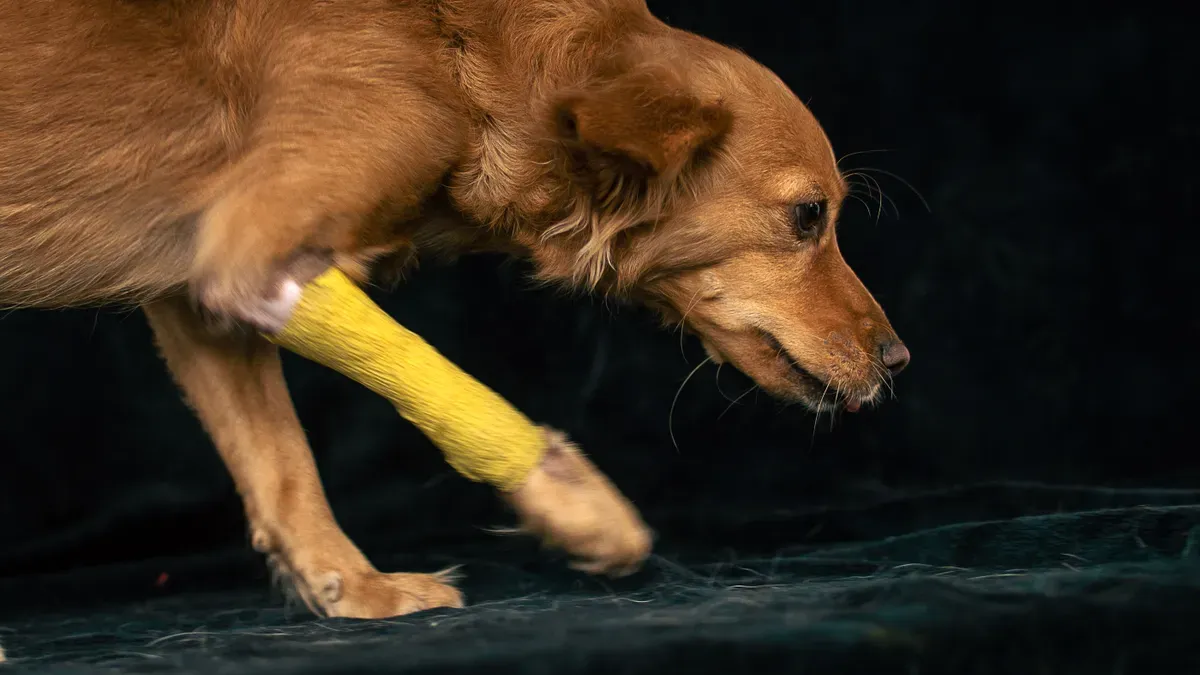
Manufacturing defects often cause problems for pet owners. These defects can include broken seams, faulty stitching, or weak materials in products like beds, collars, and harnesses. Some products show inconsistencies in production, leading to failures that affect pets’ safety. Durability issues arise when products degrade faster than expected, exposing pets to risks. Locking and closure failures in carriers or cages can result in escapes or injuries. Electrical and battery safety issues in smart products may create hazards. Companies must address these product defects to maintain customer trust.
Note: Products that fail quality tests or contain excessive heavy metals can lead to returns and dissatisfaction.
Safety Concerns and Product Recalls
Safety concerns play a major role in returns and recalls. Health risks such as vomiting or skin irritations from defective products are dealbreakers for pet owners. Unclear sourcing of ingredients or materials raises red flags, prompting consumers to switch brands. Brands that prioritize transparency and communicate during crises can rebuild trust. The following table shows how safety concerns impact consumer trust:
Aspect | Impact on Consumer Trust |
|---|---|
Product Recalls | Immediate erosion of trust due to safety concerns. |
Emotional Connection | Pet owners view pets as family, amplifying negative sentiment during safety issues. |
Communication During Crisis | Brands that communicate effectively can rebuild trust; failure leads to reputational damage. |
Transparency | Brands that prioritize transparency in sourcing and safety can strengthen their reputation. |
Safety recalls often result from product defects, design flaws, or compliance failures. Consumers demand transparency about ingredient sourcing and expect brands to meet safety standards.
Customer Dissatisfaction and Fit
Customer dissatisfaction frequently leads to returns. Common reasons include wrong size, poor fit, and palatability issues for consumables. Design flaws, such as detachable small parts or inadequate enclosures, can cause safety risks. Products that lack clear labeling or instructions frustrate buyers and may lead to misuse. Poor ergonomics or discomfort for pets also contribute to dissatisfaction. Missing compliance documentation and environmental resistance issues can result in product defects and defective products. Consumers expect products to meet their needs and keep pets safe.
Tip: Buyers should check product details and sizing guides before purchasing to reduce returns.
The Return Process for Defective Pet Products
Documentation and Inspection Requirements
Retailers and manufacturers require specific documentation when customers return products. Most stores ask for proof of purchase, such as a receipt or order confirmation. Product warranties should state what is covered, how long coverage lasts, and what remedies apply. Satisfaction guarantees must explain what triggers a return and what outcomes to expect. Transparency about restocking fees and non-returnable categories helps customers understand their options. When inspecting returned products, staff check that items remain in their original, unmodified condition. Products that have been altered, painted, or drilled do not qualify for refunds. Customers should inspect their products before making any custom changes.
Timelines, Refunds, and Store Credit
Most retailers require customers to initiate returns within 60 days of purchase. For online orders, the same 60-day rule applies. Some products, such as live fish or small animals, have a shorter 14-day satisfaction guarantee. Refunds depend on the payment method. Credit card payments return to the original card, while cash and debit refunds are given in cash. Checks may take up to 10 days to process. Gift card purchases receive a new merchandise card. Store credit is available for returns outside the full refund window. Shipping charges are usually refunded only for defective product cases and only up to the cost of ground shipping. Some items, like batteries or used wire, are non-refundable.
Manufacturer and Retailer Responsibilities
Manufacturers and retailers share responsibility for handling returns of defective product cases. Manufacturers must ensure product safety, conduct safety testing, and manage quality control. They document supplier controls and gather facts about reported issues. Retailers remove recalled products from shelves, provide accurate instructions, and comply with recall procedures. Both parties request product lot information, photos, and purchase details from customers. Serious reports go to legal and quality assurance teams for review. This process helps protect pets and maintain trust in the industry.
Product Liability, Recalls, and Consumer Rights
Unsafe Products and Recall Procedures
Unsafe pet products can cause injury or health problems for pets and their owners. The consumer products safety commission, fda, and epa regulate recalls to protect animal safety and public health. The cpsc oversees most consumer goods, while the fda manages pet food and treats. The epa handles insecticides and pesticides. Recalls fall into three classes based on risk:
Description | |
|---|---|
Class I | Health hazard with reasonable probability of causing health problems or death. |
Class II | Potential health hazard with remote probability of adverse health consequences. |
Class III | No adverse health consequences, but may be improperly labeled. |
Brands must follow recall procedures to notify the public. These steps include issuing press releases, displaying point of purchase posters for 120 days, providing a website for updates, and contacting consumers directly. The table below shows common notification methods:
Notification Method | Description |
|---|---|
Press releases | Including broadcast versions to reach a wide audience. |
Point of Purchase Posters | Displayed in visible locations for a minimum of 120 days. |
Website for Information | Provides additional details about the recall. |
Specialty Posters | Located at repair centers or veterinary offices. |
Direct Consumer Notification | Through product registration cards or warranty purchases. |
Toll-Free Numbers | For consumers to call for more information. |
Consumer Incentives | Such as rewards or free returns to encourage action. |
During recalls, brands must communicate quickly and clearly. Delays can increase anxiety and reduce trust. Immediate action shows accountability and concern for pet safety and health.
Consumer Rights and State Laws
Consumers have rights when recalls or safety problems arise. State laws protect buyers from injury or loss caused by unsafe products. The consumer product safety act and food and drug administration regulations require companies to remove dangerous items and offer refunds or replacements. Puppy Lemon Laws in some states give extra protection for live animals. If a product causes injury or fails to meet regulations, consumers can seek remedies through refunds, repairs, or legal action. The fda recalls process ensures that unsafe food or treats do not stay on the market. Voluntary recalls also help prevent harm and show a company’s commitment to quality and animal safety.
Business Best Practices for Returns and Safety
Businesses must follow best practices to reduce liability and improve quality. They should test materials for safety and durability, audit factories, and control quality at every step. Understanding cpsc, fda, and California Proposition 65 rules helps companies avoid penalties and protect animal safety. The consumer product safety improvement act requires third-party testing for hazardous substances in pet toys. The food and drug administration sets standards for pet food and treats. California Proposition 65 mandates warning labels for products with harmful chemicals. Companies that focus on quality, safety, and clear recall procedures build trust with customers and protect pets from injury or health risks.
Tip: Businesses that act quickly during recalls and maintain high quality standards earn customer trust and reduce liability.
The pet product industry relies on strong safety standards and clear return policies. Consumers and businesses both benefit from open communication. To protect pets, review company policies, check regulatory resources, and stay updated on industry changes. Awareness helps everyone make safer choices and respond quickly to product issues.
FAQ
What should a customer do if a pet product is defective?
Customers should contact the retailer or manufacturer, provide proof of purchase, and describe the defect. Quick action helps resolve the issue and protects other pets.
Are opened pet foods eligible for return?
Most stores do not accept opened pet food returns. Some may offer store credit if the product caused illness or had a quality issue.
Who pays for shipping when returning a defective pet product?
Retailers usually cover shipping costs for defective items. Customers should check the store’s policy before sending products back.
