
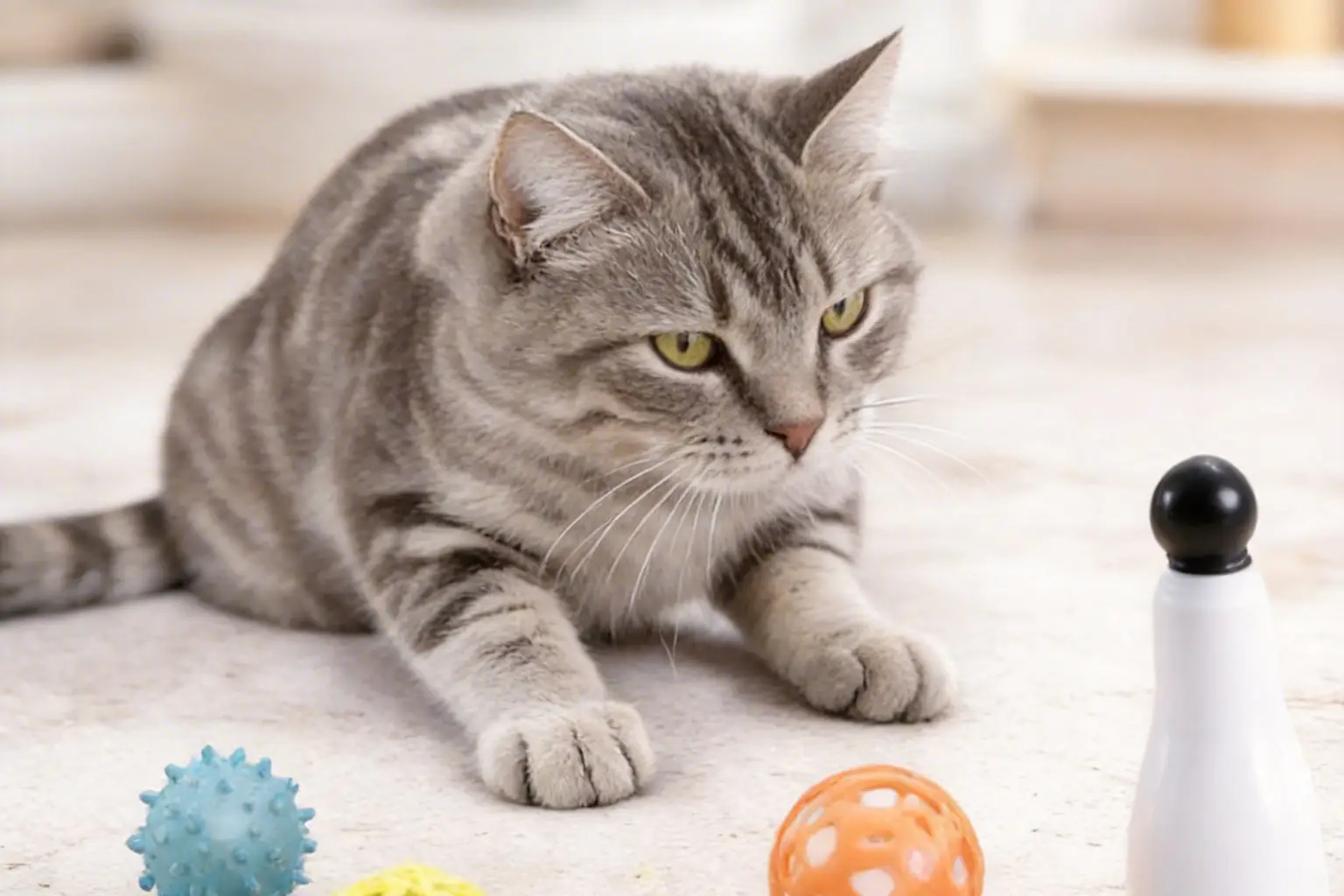


When I talk about MSA pet manufacturing, I refer to two important ideas: Master Services Agreement, which sets clear rules for business partnerships, and Metropolitan Statistical Area, which helps define production locations. I see why both matter in this industry. Safety, quality, and regulatory compliance protect pets and build trust. Recalls can cause financial losses, damage brand reputation, and lead to more oversight. Following good practices like routine testing and nutritional quality control keeps products safe and reliable for everyone.
Key Takeaways
Understand the Master Services Agreement (MSA) to know how companies ensure safety and quality in pet products.
Check the Metropolitan Statistical Area (MSA) where products are made to ensure they come from regions with strong regulations and resources.
Look for brands that follow strict quality control practices to reduce the risk of recalls and ensure pet safety.
Read labels carefully to make informed choices about pet food and toys, ensuring they meet safety standards.
Choose products from companies with a good reputation for safety and compliance to gain peace of mind as a pet owner.
What Is MSA Pet Manufacturing?
Defining MSA in Pet Manufacturing
When I look at MSA pet manufacturing, I see two main ideas that shape the industry. The first is the Master Services Agreement, which sets the rules for how companies work together. The second is the Metropolitan Statistical Area, which helps define where production happens. I believe both play a big role in making sure pet products stay safe and reliable.
I often find that people confuse these terms or overlook their importance. Understanding them helps me see how companies manage their operations and choose their locations. This knowledge gives me a better view of how pet products move from factories to store shelves.
Tip: If you want to know how your pet’s food is made, check if the company follows clear agreements and operates in a well-defined area. This shows they care about quality and safety.
Contractual Agreements (Master Services Agreement)
I always pay attention to the contracts that guide pet manufacturing. The Master Services Agreement, or MSA, acts like a blueprint for business relationships. It spells out the responsibilities, quality standards, and timelines for each party. When companies use an MSA, they avoid confusion and reduce risks.
Here are some key points I notice in these agreements:
Quality control requirements
Safety testing procedures
Delivery schedules
Payment terms
I see that these agreements help companies stay organized and focused. They also protect consumers by making sure products meet strict standards. If a company follows an MSA, I feel more confident about the safety of the pet products I buy.
Geographic Context (Metropolitan Statistical Area)
The location of manufacturing matters just as much as the contracts. The Metropolitan Statistical Area, or MSA, defines the region where production takes place. I notice that companies often choose MSAs with strong infrastructure and access to skilled workers.
When I look at MSA pet manufacturing, I see how geography affects everything from sourcing ingredients to shipping finished products. A well-chosen MSA can lead to faster delivery and better quality control.
Companies in large MSAs can reach more customers.
MSAs with strict regulations help ensure product safety.
Local resources support efficient production.
I believe that understanding the geographic context helps both manufacturers and consumers. It shows me how companies plan their operations and why they choose certain locations. This knowledge helps me make informed choices when buying pet products.
Importance of MSA Pet Manufacturing
Safety and Quality Assurance
I always look for safety and quality in pet products. MSA pet manufacturing helps companies set clear standards for every step. I see that manufacturers use strict ingredient checks and routine testing. These steps prevent contamination and keep products consistent. When companies follow these practices, pets get food that meets high standards. I trust brands that show commitment to safety because they protect my pet’s health.
Note: Consistent quality checks reduce the risk of recalls and keep pets safe.
Regulatory Compliance
Regulatory compliance shapes how companies operate. The FDA’s Center for Veterinary Medicine oversees animal food safety. They make sure products are made under sanitary conditions and labeled correctly. I notice that the FDA works with other agencies to enforce rules and provide training. Common violations include improper sanitation, poor management of raw materials, and failure to identify hazards in production.
Improper sanitation procedures
Use of tissue from animals not slaughtered
Missing hazard evaluations for raw materials
I pay attention to these details because they show which companies follow the law. When manufacturers comply with regulations, I feel confident that products are safe for pets.
Consumer Confidence
Consumer confidence grows when companies follow MSA pet manufacturing processes. I see that clear agreements and strong regulations help brands earn trust. When I buy products from companies that meet these standards, I feel peace of mind. I know my pet gets food that is safe and reliable. Brands that focus on safety and compliance build lasting relationships with customers.
🐾 Choosing products from trusted manufacturers supports pet health and strengthens consumer trust.
MSA Pet Manufacturing Process Steps
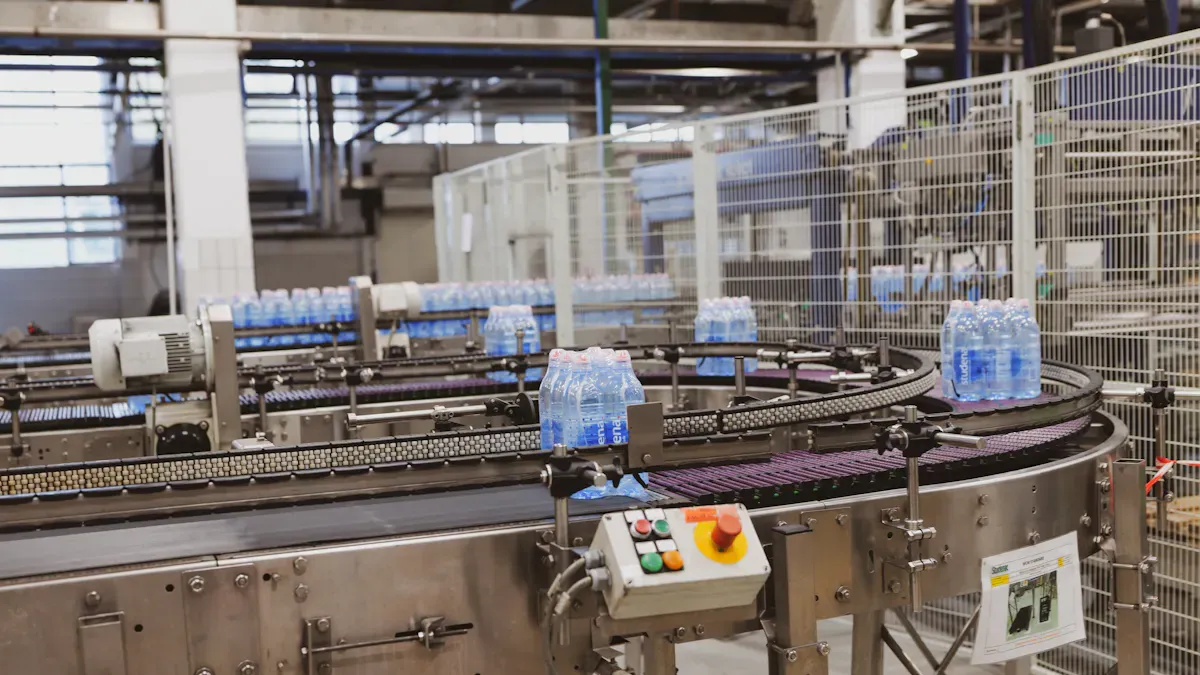
Ingredient Sourcing
I always start by checking where the ingredients come from. In MSA pet manufacturing, companies choose suppliers who meet strict standards. They look for sources that use sustainable methods and provide high-quality materials. The GMS process stands out because it uses methane and sulfur trioxide in a single step. This method reduces environmental impact and lowers greenhouse gas emissions by 85%. I see that companies often prefer biogas-derived methane, which makes the process even more sustainable. When I compare this to older methods, I notice that the GMS process is simpler and safer for the environment.
Production and Processing
I pay close attention to how manufacturers handle production. They use advanced equipment and follow clear procedures to keep products safe.
During all phases of handling and transportation, PET drugs are protected from accidental contamination. Simultaneously, operators are protected from the high energy radiation emitted by PET drugs. This requires the use of remote handling techniques and shielded hot cells, as well as shielded containers for transportation.
Manufacturers also follow rules set by the FDA. The FDA oversees the process for multi-dose vials. State boards of pharmacy or medicine manage the dispensing of doses for each patient. I see that these steps help prevent mistakes and keep products safe for pets.
The FDA checks the manufacturing process.
State boards control how doses are given to patients.
Contamination Prevention
I believe contamination prevention is one of the most important steps. Companies use shielded containers and remote handling to protect both the product and the workers. They test ingredients and finished products for safety. I notice that regular checks and strict procedures help stop contamination before it starts. When companies follow these steps, I feel confident that the pet products I buy are safe and reliable.
🛡️ Routine testing and careful handling protect pets and workers from harm.
Technology and Equipment in MSA Pet Manufacturing
Magnetic Separators
I see magnetic separators as essential tools in pet manufacturing. They help keep pet food safe by removing metal contaminants before products reach the market. Different types of magnetic separators work at various points in the process.
Plate and grate magnets catch larger metal fragments in hoppers or chutes.
Magnetic drums remove contaminants during bulk handling, which works well for high-volume production.
Pneumatic line magnets target dry and powdered ingredients as they move through pipes.
Magnetic liquid line traps clean slurries and liquids in wet pet food processing.
These devices protect both pets and equipment. I trust brands that use magnetic separators because they show a strong commitment to safety.
Quality Control Systems
Quality control systems shape the reliability of pet products. I notice that manufacturers use several methods to keep defect rates low and ensure every batch meets standards.
Statistical Process Control (SPC) monitors process stability and capability.
Measurement Systems Analysis (MSA) checks the accuracy of measurement tools.
Error proofing, or poka-yoke, prevents mistakes before they happen.
Quality auditing tracks quality targets at each stage of production.
Systems integration connects traceability, end-of-line testing, and manufacturing execution systems.
These systems work together to catch problems early. I feel confident when I see companies invest in strong quality control.
Traceability Tools
Traceability tools help manufacturers track every ingredient and finished product. I value these tools because they make recalls faster and safer if something goes wrong. Traceability software can identify affected lots, suppliers, and customers within minutes. Automated reporting tools create recall documents quickly and guide teams through corrective actions.
FDA Requirement | Industry Practice |
|---|---|
Written recall plans for known hazards | Traceability software and automated recall management |
Traceability protects pets, supports regulatory compliance, and helps companies maintain their reputation. I always look for brands that use these tools to keep products safe.
Regulatory Standards and Compliance
Key Laws and Standards
I always check the laws and standards that guide pet manufacturing. In the United States, pet food must pass strict inspection and documentation. These rules help prevent contamination and protect pets. I see that pet food regulations often match those for human food. Manufacturers must design their facilities to meet these standards. If they fail, they risk recalls and loss of trust.
Most pet toys do not face specific federal or state regulations. Manufacturers still follow general labeling rules. They mark toys as “for pets” and warn about possible hazards. Voluntary leadership is growing. ASTM International’s subcommittee works on safety specifications for pet toys and restraint systems. Some states, like New York, want to ban harmful chemicals in pet products. In the European Union, pet products must be safe for normal use and foreseeable misuse. Product testing supports this requirement.
🏛️ I believe strong laws and standards keep pets safe and help companies avoid costly mistakes.
Certification and Auditing
I pay close attention to certification and auditing in pet manufacturing. These processes verify that companies follow MSA standards. Audits check everything from shop floor practices to supplier compliance. I see that regular surveillance audits ensure ongoing adherence. Control plans link quality assurance with risk analysis. Shop floor verification compares real actions to documented procedures. Calibration and measurement records support traceability and accuracy. Supplier audits monitor compliance and address issues. Documented information keeps policies accessible. Special IATF requirements prepare companies for emergencies.
Focus Area | Description |
|---|---|
Surveillance Audit | Ensures ongoing compliance with MSA standards through regular checks. |
Control Plan | Links implementation on the shop floor with PFMEA for quality assurance. |
Shop Floor Verification | Compares actual practices against documented procedures to ensure adherence. |
Calibration & Measurement | Maintains records for traceability and accuracy in measurements. |
Supplier Audits | Conducted as per plan to monitor supplier compliance and address issues. |
Documented Information | Ensures policies and procedures are controlled and accessible. |
Special IATF Requirements | Addresses emergency readiness and contingency planning for disruptions. |
Labeling Requirements
I always look at labeling when I buy pet products. Manufacturers must follow general labeling rules. They mark products clearly and warn about hazards. In the U.S., pet food labels must show ingredients, nutritional information, and manufacturer details. These labels help me make informed choices. In the EU, labels must support product safety and include warnings for misuse. I trust brands that provide clear and honest labeling.
🏷️ Clear labels help me protect my pet and choose safe products.
Distribution and Logistics in MSA Pet Manufacturing

Role of Distribution Centers
I see distribution centers as the backbone of pet product logistics. These centers keep materials organized and safe. When I visit a facility, I notice strict controls on how workers receive, label, and store materials. This prevents mix-ups and cross-contamination. I watch teams monitor temperature, humidity, and cleanliness. These steps protect the integrity of pet food and toys. Quality control teams sample and segregate materials to avoid contamination. They follow approved procedures for testing. I value accurate documentation because it supports audits and keeps inventory records reliable. When issues arise, quality assurance teams document and address them quickly. This keeps products safe for pets.
Aspect | Importance |
|---|---|
Material control & traceability | Prevents mix-ups and cross-contamination through correct receipt, labeling, and status identification. |
Environmental control | Monitoring temperature, humidity, and cleanliness is essential for maintaining material integrity. |
Sampling & segregation | Protects materials from contamination and ensures representative testing through QC-approved procedures. |
Documentation & data integrity | Supports audit readiness and ensures accurate records and stock reconciliation. |
Deviation & change control | QA oversight ensures discrepancies are documented and addressed, maintaining product safety. |
🏢 Distribution centers play a key role in keeping pet products safe and ready for shipping.
Packaging and Shipping
I pay close attention to packaging and shipping. Manufacturers use sturdy materials to protect products during transit. They design packaging to prevent moisture, heat, and physical damage. I see workers check each package for proper labeling and seals. This step ensures that pet food and toys reach stores in perfect condition. Shipping teams track every shipment using traceability tools. They update records and monitor delivery schedules. I notice that companies choose reliable carriers to reduce delays and avoid damage. When I buy pet products, I trust brands that invest in secure packaging and efficient shipping.
Packaging protects against contamination and spoilage.
Shipping teams use tracking systems for timely delivery.
Reliable carriers reduce risks and keep products safe.
📦 Safe packaging and careful shipping help maintain quality from the factory to your home.
Benefits of MSA Pet Manufacturing
Reducing Recalls
I see that MSA pet manufacturing helps companies lower the risk of recalls. When manufacturers use clear agreements and follow strict processes, they catch problems early. I know that recalls can hurt both pets and brands. I have read about cases where unsafe ingredients led to major recalls. These events caused fear and confusion for pet owners. I trust companies that use strong quality checks and traceability tools. They can find and fix issues before products reach stores. This approach keeps pets safe and protects the company’s reputation.
Tip: I always check if a brand has a history of recalls. Brands with fewer recalls often use better manufacturing practices.
Brand Reputation
I believe that a strong brand reputation starts with safe and reliable products. When companies follow MSA standards, they show that they care about quality. I notice that brands with good reputations often share their safety practices with customers. They post about their testing and certifications on their websites. I feel more confident buying from these brands. I also see that positive reviews and word-of-mouth help these companies grow. A good reputation attracts loyal customers and keeps them coming back.
Brands that follow MSA standards:
Earn trust from pet owners
Stand out in a crowded market
Recover faster from problems
Peace of Mind for Pet Owners
As a pet owner, I want to feel sure that my pet’s food and toys are safe. MSA pet manufacturing gives me that peace of mind. I know that companies use clear rules, strong safety checks, and honest labeling. This makes me feel comfortable choosing their products. I do not worry about hidden risks or poor quality. I can focus on caring for my pet and enjoying our time together.
🐶 Safe products mean happy pets and less stress for owners like me.
I see that MSA shapes pet manufacturing through strong contracts and smart location choices. These steps help companies deliver safe, high-quality products. I always look for brands that use non-toxic materials and meet nutritional standards. The table below shows what matters most to pet owners like me:
Evidence | Description |
|---|---|
Non-toxic materials | I prefer products made from safe, non-toxic materials for my pets. |
Nutritional requirements | I choose foods that meet strict nutritional standards. |
Quality assurance | I trust brands with strong inspection processes and clear quality checks. |
I encourage you to choose MSA-compliant products for peace of mind.
FAQ
What does MSA mean in pet manufacturing?
I use MSA to describe both Master Services Agreement and Metropolitan Statistical Area. The first sets business rules. The second defines where production happens. Both help companies make safe, high-quality pet products.
Why do companies use magnetic separators?
I see companies use magnetic separators to remove metal pieces from pet food. This step protects pets and keeps equipment safe. I trust brands that use this technology.
How can I check if a pet product meets safety standards?
I always read the label. I look for clear ingredient lists, nutritional information, and manufacturer details. I also check for certifications or audit results on the company’s website.
What happens if a company recalls a pet product?
When a recall happens, I see companies use traceability tools to find and remove affected products quickly. They contact stores and customers. This action helps protect pets and rebuild trust.
Are there special rules for pet toys?
Most pet toys do not have strict federal rules. I look for clear labels and warnings. Some brands follow voluntary safety standards. I choose toys from companies that share their safety practices.
