
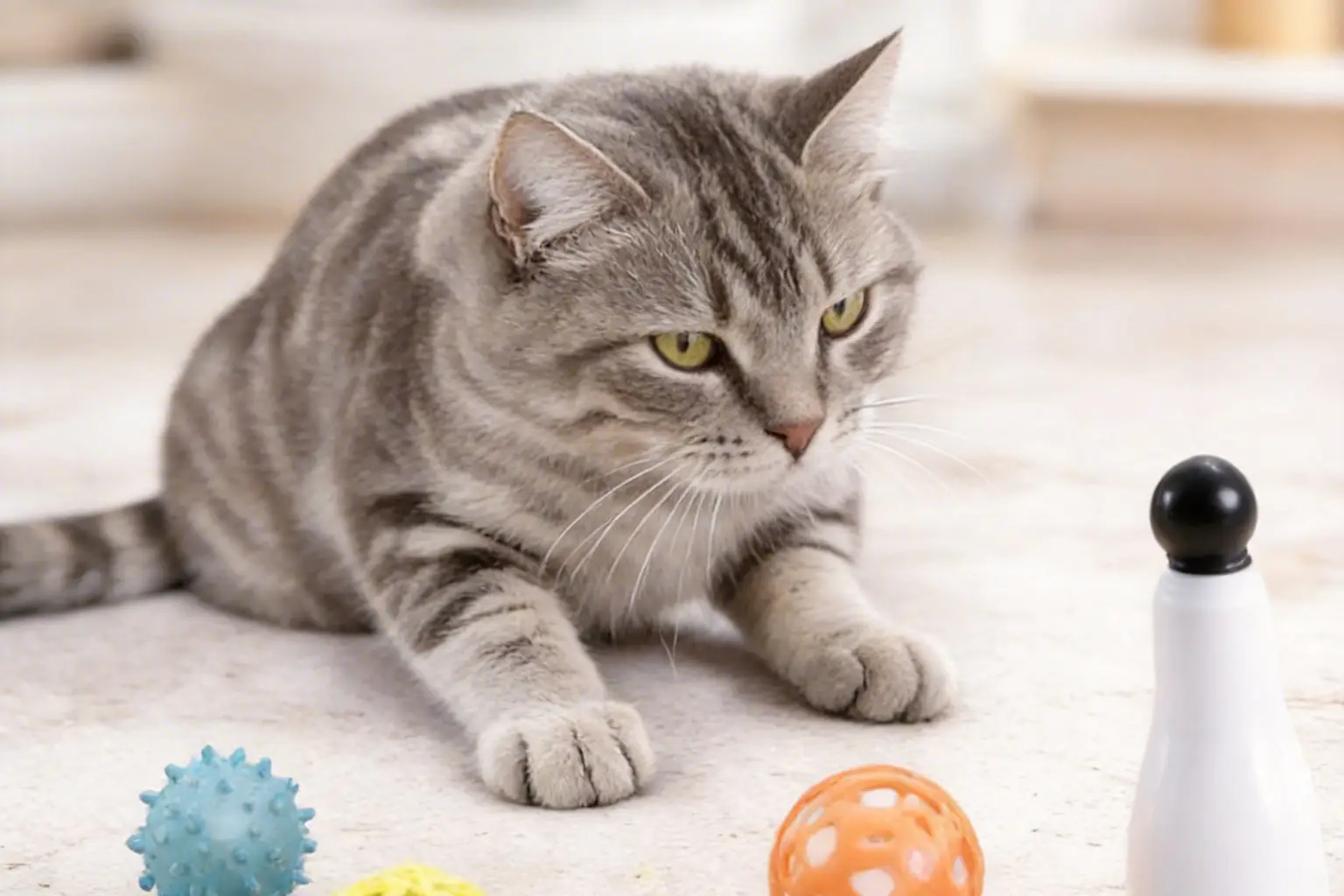


When I look at the nylon vs rubber dog toy debate, I find no single winner. What works best really depends on your dog’s chewing style, age, and safety needs. I always suggest you watch how your dog interacts with toys and pick what fits their personality and habits.
Every dog is unique, so pay attention to their preferences!
Key Takeaways
Nylon toys are best for extreme chewers due to their durability, but they can be too hard for puppies and may cause tooth fractures.
Rubber toys are flexible and safe for average chewers and puppies, offering a gentle chewing experience without risking tooth damage.
Always supervise your dog with new toys, check for damage regularly, and choose the right size and material based on your dog’s chewing style.
Nylon vs Rubber Dog Toy: Quick Comparison
Key Differences
When I compare nylon vs rubber dog toy options, I notice some clear differences. I made a table to help you see these at a glance:
Material | Durability | Flexibility | Ideal for Chewers |
|---|---|---|---|
Nylon | Very high | Low | Extreme chewers |
Rubber | High | High | Average chewers |
Nylon toys feel hard and tough. They last a long time, but they don’t bend much. Rubber toys feel softer and stretchier. They bounce and flex, which makes them fun for dogs who like to play and chew.
I often hear pet owners mix up interactive toys and chew toys. Interactive toys don’t stand up to chewing like nylon or rubber. Some people think hard nylon bones are safe for all dogs, but they can crack teeth if your dog chews too hard. Plush toys seem cute, but the stuffing can make a mess and even cause problems if your dog eats it.
I also think about the environment when I pick toys. Most nylon and rubber toys come from non-renewable materials. They add to pollution and waste. The factories that make them use lots of energy and chemicals. Nylon toys can break down into microplastics, which might harm your dog and the planet. Some toys even have toxic stuff like PVC or BPA. I always check labels and try to choose safer options.
Cleaning matters, too. I clean nylon and rubber toys by hand with soap and water. I rinse them well so no soap stays behind. Many nylon toys go in the dishwasher, but I skip detergent and use a hot cycle. For natural rubber toys, I soak them in a mix of white vinegar and water, rinse, and air-dry. I never use heat or bleach. I rotate toys every week to keep them fresh and store them away from sunlight.
Tip: Regular cleaning keeps your dog’s toys safe and helps them last longer!
Which Dogs Benefit Most
I always ask myself, “What kind of chewer is my dog?” That question helps me decide between nylon vs rubber dog toy choices.
Extreme chewers: Dogs who destroy toys in minutes need nylon. These toys stand up to powerful jaws and last longer.
Average chewers: Dogs who like to chew but don’t go wild do well with rubber. Rubber toys flex and bounce, making them fun and safe.
Gentle chewers and puppies: I pick rubber for young dogs and gentle chewers. Rubber feels soft and won’t hurt their teeth. Nylon can be too hard for puppies and might cause tooth fractures.
I match the toy to my dog’s personality. If my dog loves to fetch, rubber toys work best because they bounce. If my dog just wants to gnaw, nylon is the way to go. I always watch my dog play and check toys for damage. When a toy breaks, I replace it right away.
Note: No toy is perfect for every dog. Try different types and see what your dog likes best!
I find that the nylon vs rubber dog toy debate comes down to knowing your dog. If you pay attention to their chewing style and habits, you’ll make the right choice.
What Are Nylon Dog Chew Toys
Features of Nylon Toys
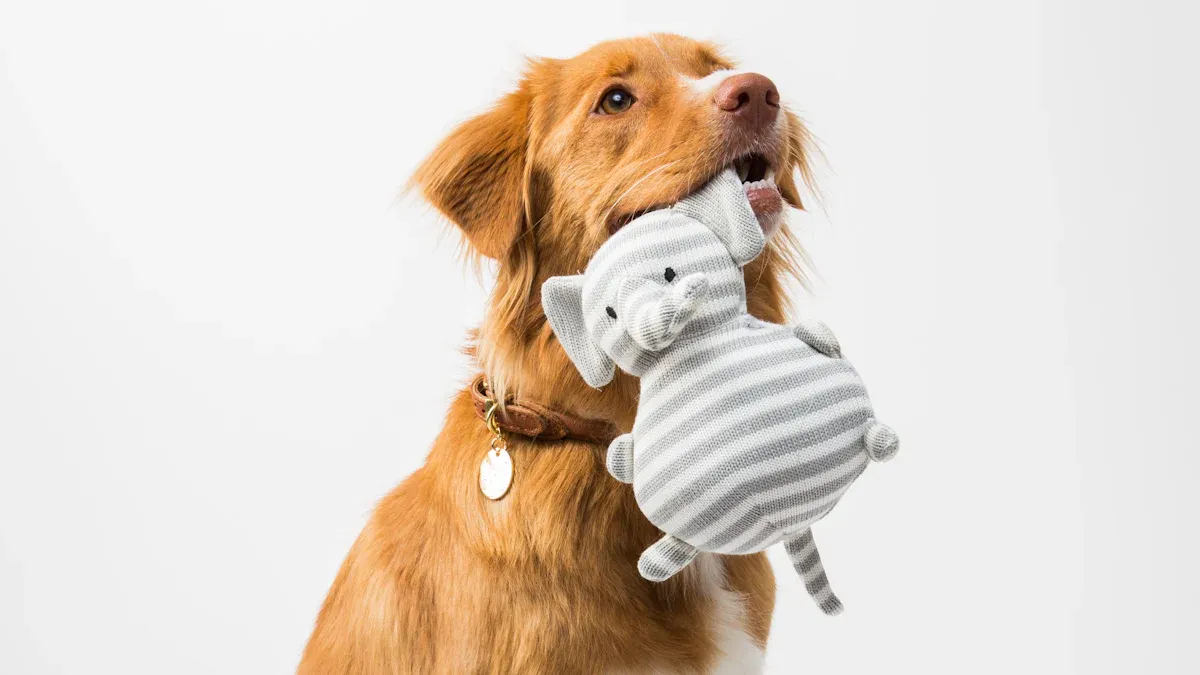
When I pick up a nylon dog chew toy, I notice how hard and solid it feels. These toys come in many shapes, like bones, sticks, or rings. Most brands make them in different sizes for small or large dogs. Some even add flavors like bacon or chicken to make them more tempting. I like that nylon toys do not splinter like real bones. They last a long time, even with tough chewers.
Here are some features I see in nylon toys:
Very hard and durable material
Many shapes and sizes
Flavored options for picky dogs
Easy to clean, sometimes dishwasher safe
Do not break apart easily
Tip: Always check the toy for sharp edges or cracks before giving it to your dog.
Pros and Cons
I have tried nylon toys with my own dogs. They work well for heavy chewers who destroy softer toys in minutes. Nylon stands up to a lot of chewing and does not get soggy or fall apart. I find them easy to wash, which keeps things clean at home.
But nylon toys have some downsides. I have seen dogs chip or break their teeth on these hard toys. The upper fourth premolars seem to get hurt the most. Some dogs chew off small pieces, which can be a choking risk. I always watch my dog and take away any toy that looks damaged.
Here’s a quick list of pros and cons:
Pros | Cons |
|---|---|
Very durable | Can cause tooth fractures |
Good for strong chewers | Too hard for puppies or gentle chewers |
Many shapes and flavors | Small pieces can break off |
Easy to clean | Not as flexible as rubber |
When I compare nylon vs rubber dog toy choices, I see that nylon works best for dogs who need something tough. Rubber might be safer for puppies or dogs with sensitive teeth.
What Are Rubber Dog Chew Toys
Features of Rubber Toys
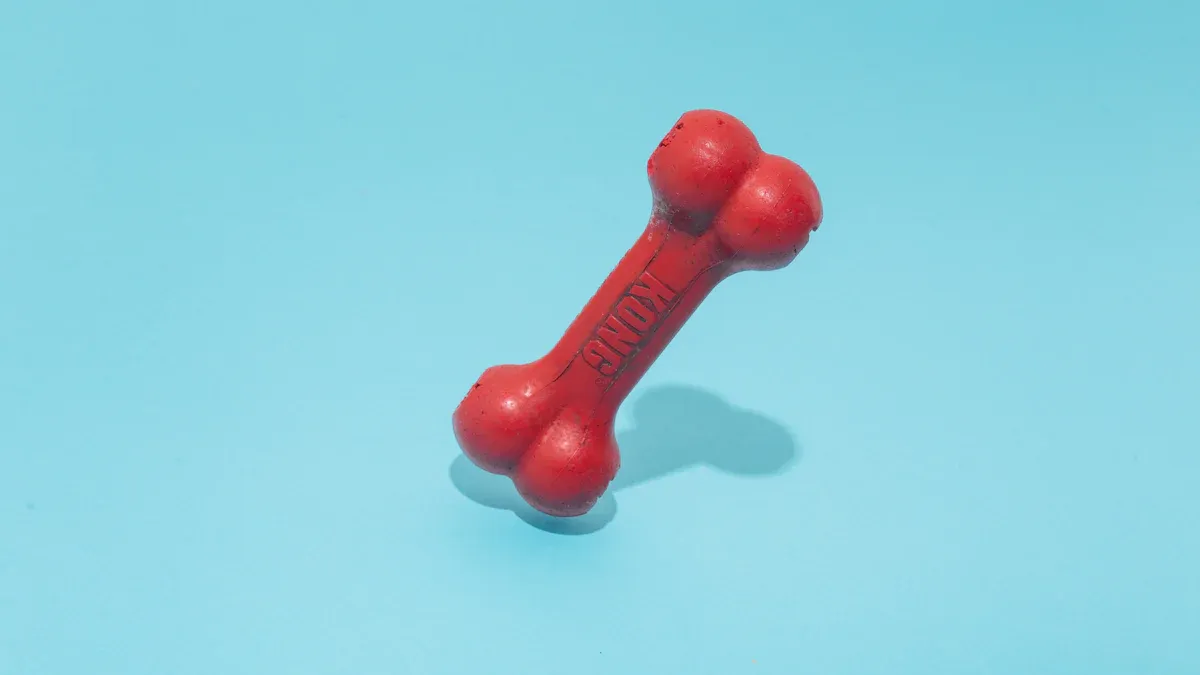
When I grab a rubber dog chew toy, I notice how flexible and bouncy it feels. Most brands use natural rubber, which is non-toxic and biodegradable. I like knowing these toys are safe for my dog and better for the planet. Natural rubber stands out because it stretches and resists cracking. My dog loves the way it pushes back when he bites down. I see rubber toys in all shapes and sizes, and many are made from 100% natural latex. That means they are BPA-free and phthalate-free. I also look for toys that skip harmful chemicals and offer a safer chewing experience.
Here’s what I look for in rubber toys:
Made from natural rubber, safe and eco-friendly
Tough enough for aggressive chewers
Elastic and satisfying to bite
Free from toxic chemicals
Available in many shapes and sizes
Tip: Rubber toys bounce in fun ways, so I use them for fetch and playtime.
Pros and Cons
I have tried both rubber and nylon toys with my dogs. When I compare the nylon vs rubber dog toy options, I see rubber has some unique advantages. Rubber toys are durable and come in sizes for every breed. Many have hollow centers for treats, which keeps my dog busy. They bounce unpredictably, making playtime exciting. I toss them in the dishwasher for easy cleaning. Still, rubber toys can be tough to clean by hand, especially inside. Some don’t last with the strongest chewers. Over time, rubber can crack or get sticky, especially if left in the sun. I watch for small pieces breaking off, which can be a choking risk. Moist rubber toys can also trap bacteria, so I clean them often.
Pros | Cons |
|---|---|
Hollow center can be tough to clean by hand | |
Multiple sizes perfect for different breeds | May not hold up to the most powerful chewers |
Hollow center for treats or food | Can degrade over time with heat or UV |
Fun, unpredictable bouncing | Choking risk if small parts break off |
Dishwasher safe | Can harbor bacteria if not cleaned |
Note: I check rubber toys for cracks or tacky spots and replace them if they look worn.
Safety Considerations
Nylon Toy Safety
When I give my dog a nylon chew toy, I always check for small pieces breaking off. Nylon toys can splinter if my dog chews too hard. These sharp bits can cause choking or hurt my dog’s mouth. I look for cracks or rough edges before each play session. If I see any damage, I throw the toy away right away. I never let my dog play with a nylon toy unsupervised, especially if he is a strong chewer. Some dogs try to swallow large chunks, which can block their throat or stomach.
Tip: Pick the right size nylon toy for your dog. A toy that is too small can be swallowed easily.
Rubber Toy Safety
Rubber toys feel softer and bend when my dog bites down. This makes them gentle on teeth and gums. I like rubber toys for puppies and gentle chewers because they do not crack teeth. I still check for signs of wear, like sticky spots or cracks. If a rubber toy starts to break apart, I replace it. Some rubber toys have hollow centers. I make sure my dog cannot chew off and swallow pieces from inside. I wash rubber toys often to keep bacteria away.
Safe Chewing Tips
I always match the toy to my dog’s chewing style. For aggressive chewers, both nylon and rubber can work. Rubber is flexible and gentle, while nylon is tough and lasts longer. Many vets say a mix of both materials gives the best safety and durability. I watch my dog while he chews and take away any toy that looks worn out. I never give hard nylon toys to puppies. For the nylon vs rubber dog toy choice, I think about my dog’s age, size, and how he likes to chew.
Note: Supervise your dog with any new toy and replace toys as soon as they show damage.
Durability and Flexibility
Nylon Durability
When I pick up a nylon dog chew toy, I feel how solid and tough it is. Nylon stands out for its durability. My dog can chew on a nylon bone for weeks without making much of a dent. I notice that nylon doesn’t get soft or squishy, even after hours of gnawing. This toughness makes nylon a great choice for dogs who love to chew hard and fast. I’ve seen nylon toys survive even the most determined chewers.
Here’s what I look for in nylon durability:
Hard material that resists wear and tear
Lasts longer than most other toy types
Doesn’t absorb moisture or odors
Holds up well to repeated chewing
But nylon isn’t perfect. If my dog chews too aggressively, the toy can develop sharp edges or small pieces might break off. I always check for cracks and rough spots before giving it back to my dog. When a nylon toy starts to look worn, I toss it out to keep my dog safe.
Tip: Rotate nylon toys every few weeks to prevent boredom and extend their lifespan.
Rubber Flexibility
Rubber dog chew toys feel different. They bend and bounce when my dog bites down. I love how natural rubber stays resilient and chew-friendly. It doesn’t splinter, so I don’t worry about sharp bits hurting my dog’s mouth. The flexibility of rubber helps protect my dog’s teeth. I’ve never seen a rubber toy cause a tooth fracture, even with strong jaws.
Here’s why I trust rubber toys:
Natural rubber is resilient and endures heavy chewing
Flexible material prevents tooth injuries
Non-toxic and free from harmful additives
Renewable and biodegradable
Rubber toys do have a downside. Over time, they can get stiffer or brittle, especially if left in the sun or exposed to heat. I check rubber toys for cracks and replace them if they start to break down. Still, I find rubber toys offer a safe and satisfying chew for most dogs.
Note: Store rubber toys away from sunlight to keep them flexible and long-lasting.
Suitability for Different Dogs
For Heavy Chewers
When I think about dogs who love to chew with all their might, I always look for the toughest toys. My experience tells me that nylon toys work best for these power chewers. The hard texture stands up to strong jaws and keeps my dog busy for hours. I have seen some dogs destroy softer toys in minutes, but nylon bones and sticks last much longer. If your dog shreds plush or rubber toys right away, nylon is the way to go. I always pick a size that matches my dog’s mouth to avoid choking hazards.
Tip: Always check nylon toys for sharp edges or cracks, especially if your dog is an aggressive chewer.
For Puppies and Gentle Chewers
Puppies and gentle chewers need something softer. I find that rubber toys are perfect for them. Soft rubber gives just enough resistance to keep young dogs interested without hurting their teeth. When I brought home my puppy, I chose natural rubber toys because they were gentle and safe. Here’s what I look for:
Gentle stimulation for growing teeth
No risk of tooth fractures
I also noticed that puppies love toys that bounce and roll. Rubber toys make playtime fun and safe. For moderate chewers, I sometimes use natural materials like bully sticks, but I always supervise. The nylon vs rubber dog toy debate really comes down to matching the toy to your dog’s chewing style and personality. I watch how my dog plays and switch toys if needed.
Note: Every dog is different. Try a few options and see what your dog enjoys most!
Choosing the Right Toy
Factors to Consider
When I pick out a chew toy for my dog, I ask myself a few simple questions. These help me decide if nylon or rubber is the better fit. Here’s my quick checklist:
How strong is my dog’s chew? Does he destroy toys fast, or does he nibble gently?
What is my dog’s age? Puppies and seniors need softer toys.
Does my dog have any dental issues or sensitive gums?
Does he prefer toys that bounce or ones that stay solid?
Is the toy size right for my dog’s mouth?
Does my dog have allergies or special health needs? If so, I talk to my vet before choosing a new toy.
I always keep safety in mind. If my dog has a history of swallowing pieces or has special medical needs, I check with my vet first. They know what’s safest for my dog.
Signs of a Good Match
I can tell when my dog loves a toy. He chews with focus and seems relaxed. I notice a few signs that show the toy is a good match:
The toy softens with heat, drool, and pressure. This means my dog feels comfortable and enjoys chewing.
The texture changes over time, which tells me my dog has adapted well to the material.
My dog keeps coming back to the toy and doesn’t lose interest quickly.
There are no signs of tooth damage or bleeding gums after play.
When I compare nylon vs rubber dog toy options, I watch how my dog reacts. If he chews safely and seems happy, I know I made the right choice.
Tip: Every dog is different. Try a few toys and see which one your dog loves most!
I learned nylon works best for dogs who scrape and chew hard, but I always check for cracks or sharp edges. Rubber toys suit heavy chewers and puppies, offering safety and flexibility. I supervise play, replace damaged toys, and ask my vet if I feel unsure.
Inspect toys for cracks, missing pieces, or sharp edges
Choose the right size and material for your dog
Consult your vet for special needs
FAQ
Can I give my puppy a nylon chew toy?
I never give nylon toys to puppies. Rubber works better for young dogs. Nylon feels too hard and can hurt their teeth.
How often should I replace dog chew toys?
I check toys every week. If I see cracks, missing pieces, or sharp edges, I toss them out. Safety comes first!
Are flavored nylon toys safe for dogs?
Flavored Nylon | My Experience |
|---|---|
Yes, if labeled non-toxic | I always check for safe ingredients and watch my dog for allergies. |
