


I always look for a flavored dog chew toy that grabs my dog’s attention. Manufacturers choose flavors like peanut butter or bacon because they make dogs excited and encourage longer play. These toys use durable, food-safe materials, so they last through lots of chewing and keep their tasty flavor.
Key Takeaways
Choose flavored dog chew toys made from safe materials like food-grade silicone to ensure your dog’s health and safety.
Look for chew toys that use natural flavors like peanut butter and bacon, avoiding synthetic options that may upset your dog’s stomach.
Engage your dog with flavored toys to promote dental health and prevent boredom, keeping them entertained and happy.
Flavored Dog Chew Toy Ingredients
Base Materials Used
When I pick out a flavored dog chew toy, I always check what it’s made of. The right material keeps my dog safe and happy. Manufacturers use both natural and synthetic materials. Here’s a quick look at the most common ones:
Material Type | Properties | Examples |
|---|---|---|
Natural (Deer Antlers) | Contains calcium and phosphorus, supports bone health, durable for chewing | Long-lasting chew toys |
Natural (Horns) | Durable, lower mineral content, smooth shape for gnawing | Buffalo or ram horns |
Synthetic (Rubber) | Engineered for durability, non-toxic, customizable textures | Floating fetch toys |
Synthetic (Nylon) | High strength, resists splintering, infused with flavors | Benebone Wishbone |
Synthetic (TPE) | Bouncy resilience, mimics natural materials, suitable for stuffing treats | Interactive chew toys |
I like that these materials can handle tough chewers and keep their shape. Some toys even use food-grade silicone, which meets strict safety standards. This gives me peace of mind when my dog gnaws on them for hours.
Peanut Butter Bacon Flavor Sources
The real magic happens when manufacturers add flavors like bacon and natural creamy peanut butter. They use both real and artificial sources. Sometimes, they use natural bacon fat or peanut butter powder. Other times, they use synthetic flavors to mimic the taste. The U.S. allows many substances to be labeled as “natural flavor,” so I always check for clear ingredient lists. I want to avoid anything that could upset my dog’s stomach.
Tip: Some synthetic bacon flavors can cause long-term tummy troubles for dogs. I stick with toys that use simple, recognizable ingredients.
Not every dog can handle every flavor. Common allergens include beef, chicken, milk, wheat, and soy. If my dog has allergies, I look for hypoallergenic options:
Single or novel proteins like rabbit or duck
No artificial colors or preservatives
Grain-free and dairy-free choices
Easy-to-digest textures
I always pay attention to how my dog reacts to new flavors. If I see any itching or stomach upset, I switch to a different chew.
Manufacturing and Safety Process
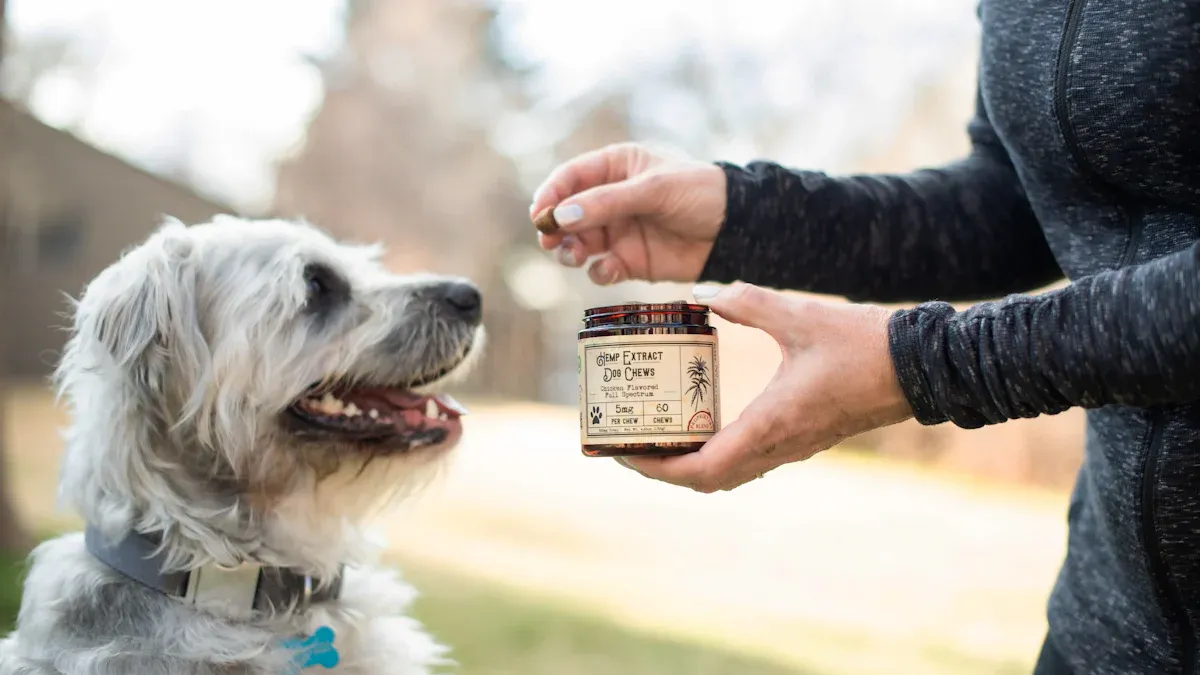
Flavor Infusion Methods
When I look for a chew toy that my dog will love, I always check how the flavors get inside. Manufacturers use a few clever ways to make sure every bite tastes like peanut butter bacon or savory bacon. Here’s what I’ve learned about the most common methods:
They coat the outside of the toy with a savory layer. This coating gives an instant burst of flavor when my dog starts chewing.
Some toys have the flavor mixed right into the rubber or nylon. Peanut butter-infused rubber is a big hit with most dogs. I notice my dog always goes back to these toys.
For bacon, manufacturers sometimes embed small flavor pockets inside the toy. As my dog chews, new bursts of bacon flavor keep him interested.
Chicken and bacon flavors often show up together, appealing to my dog’s natural instincts to forage and chew.
I like toys that keep their flavor for a long time. The best ones use safe, food-grade ingredients that don’t upset my dog’s stomach.
Production Steps Overview
I always find it fascinating how a simple idea turns into a finished flavored dog chew toy. The process involves several steps to make sure the toy is safe, tasty, and durable. Here’s a quick look at how it happens:
Step | Description |
|---|---|
1 | Material selection, focusing on food-grade silicone for safety and compliance. |
2 | Choosing hardness and elasticity based on the toy’s intended use. |
3 | Adding color and flavor additives that are pet-safe. |
4 | Ensuring safety compliance with relevant standards (FDA, LFGB). |
5 | Assessing durability and quality of materials used. |
6 | Documenting specifications for production reference. |
7 | Finalizing the prototype for manufacturing. |
8 | Branding, packaging, and labeling for market readiness. |
I like knowing that every step, from picking the right materials to packaging, focuses on my dog’s safety. Manufacturers use food-grade silicone and test for the right hardness. They add peanut butter bacon flavors and colors that are safe for pets. Before the toys reach the store, they go through strict safety checks and get packaged to stay fresh.
Note: Silica gel packets often come inside the packaging. These help control humidity and keep the toy fresh. I always throw them away before giving the toy to my dog.
Allergen and Quality Controls
I want my dog to stay healthy, so I pay close attention to allergen and quality controls. Manufacturers follow strict rules to make sure every peanut butter bacon chew toy is safe. Here’s how they do it:
Safety Standard | Description |
|---|---|
ASTM F963 | Ensures lead content is under 100 ppm and no sharp points are present. |
REACH Compliance | Restricts hazardous substances and heavy metals in pet toys sold in Europe. |
CPSIA Compliance | Enforces lead and phthalate limits, often followed voluntarily by manufacturers. |
CA Prop 65 Compliance | Ensures no chemicals known to cause cancer or birth defects are present beyond safe levels. |
ISO 8124 | Global toy safety standard similar to EN71/ASTM. |
Quality Control Measure | Description |
|---|---|
FDA FSMA Compliance | Ensures facilities meet strict food safety practices mandated by the FDA, incorporating preventive controls. |
SQF Level 2 Certification | Indicates successful completion of rigorous food safety audits, demonstrating commitment to product safety. |
SMETA Social Compliance Certification | Covers ethical business practices, ensuring labor, health, safety, and environmental standards are met. |
Standard | Description |
|---|---|
EN 71-3 | European toy safety standard for migration of hazardous elements, ensuring no hazardous heavy metals are released during oral contact. |
Phthalate-Free and BPA-Free | Ensures that no harmful plasticizers are present in the rubber compounds used in chew toys. |
ASTM D624 | Specifies minimum tear strength to prevent fragmentation of chew toys, ensuring safety during use. |
ASTM D2240 | Relates to the hardness of the material, critical for dental safety in chew toys. |
REACH / RoHS | Compliance for pet products exported to the EU, restricting hazardous substances in materials. |
I always check for these certifications on the packaging. They show that the manufacturer cares about my dog’s health. If my dog has allergies, I look for toys that are grain-free, dairy-free, and made without common allergens. I feel confident when I see these safety and quality standards listed.
Benefits and Dog Treat Recipes Inspiration
Engagement and Dental Health
I notice my dog gets excited every time I bring home a flavored dog chew toy. The smell and taste grab his attention right away. Chewing keeps him busy and helps him avoid destructive habits like gnawing on shoes or furniture. Here’s what I’ve learned about how these toys help:
Flavored chew toys appeal to a dog’s strong sense of smell, making playtime more engaging.
Chewing gives my dog a healthy outlet for his natural instincts.
Toys help prevent boredom and calm him down, especially when I’m not home.
Dental health matters to me. I want my dog’s teeth and gums to stay strong. Chew treats do more than entertain—they clean teeth and freshen breath. I found some numbers that show the benefits:
Metric | Improvement (%) | Source Reference |
|---|---|---|
Plaque Coverage | Gorrel et al., 1999 | |
Calculus Coverage | 20% to 35% | Gorrel et al., 1999 |
Volatile Sulfur Compounds | ~75% lower | Current Study |
Periodontal disease is common in dogs. Symptoms include bad breath, swollen gums, and loose teeth. Flavored chew toys help by stimulating gums and removing food debris.
Fillable Toys and Recipe Ideas
Stuffable treat toys have become a favorite in my house. I fill them with homemade dog treats or peanut butter, and my dog spends ages working to get every last bit. Dog treat recipes inspire new flavors for chew toys. Brands like Nylabone now offer options like Aged Cheddar and Filet Mignon, based on popular treat recipes.
Here are some ways dog treat recipes influence chew treat flavors:
Companies expand toy lines with flavors inspired by homemade dog treat recipes.
New flavors appeal to dogs’ taste preferences, making chewing more fun.
There’s a direct link between treats and chew toys, so I can mix things up for my dog.
I like to try both commercial and homemade dog treats. Homemade dog treat recipes let me control ingredients and avoid allergens. I switch between store-bought chew treats and homemade dog treats to keep my dog happy and safe.
When I pick a flavored dog chew toy, I look for safe materials, fun flavors, and options that fit my dog’s needs. Most treats are made in the USA and cater to allergies. I love seeing my dog’s excitement—89% of pets show instant interest in peanut butter flavors!
Product Type | Result | Reason |
|---|---|---|
Greenies | PASS | Great for dental health |
Frozen veggies/fruit | PASS |
I also enjoy making a homemade dog treat for variety.
FAQ
Can my dog chew flavored toys every day?
I let my dog chew flavored toys daily. I always watch for wear and replace them if they get damaged. This keeps my dog safe and happy.
Are peanut butter bacon chew toys safe for puppies?
I give my puppy these toys, but I pick the right size. I check the label for age recommendations. Puppies need softer toys for their growing teeth.
Can I use these toys as a treat replacement?
I sometimes use a flavored chew toy when I run out of a treat. My dog stays busy and satisfied, but I still give real treats for training.
