
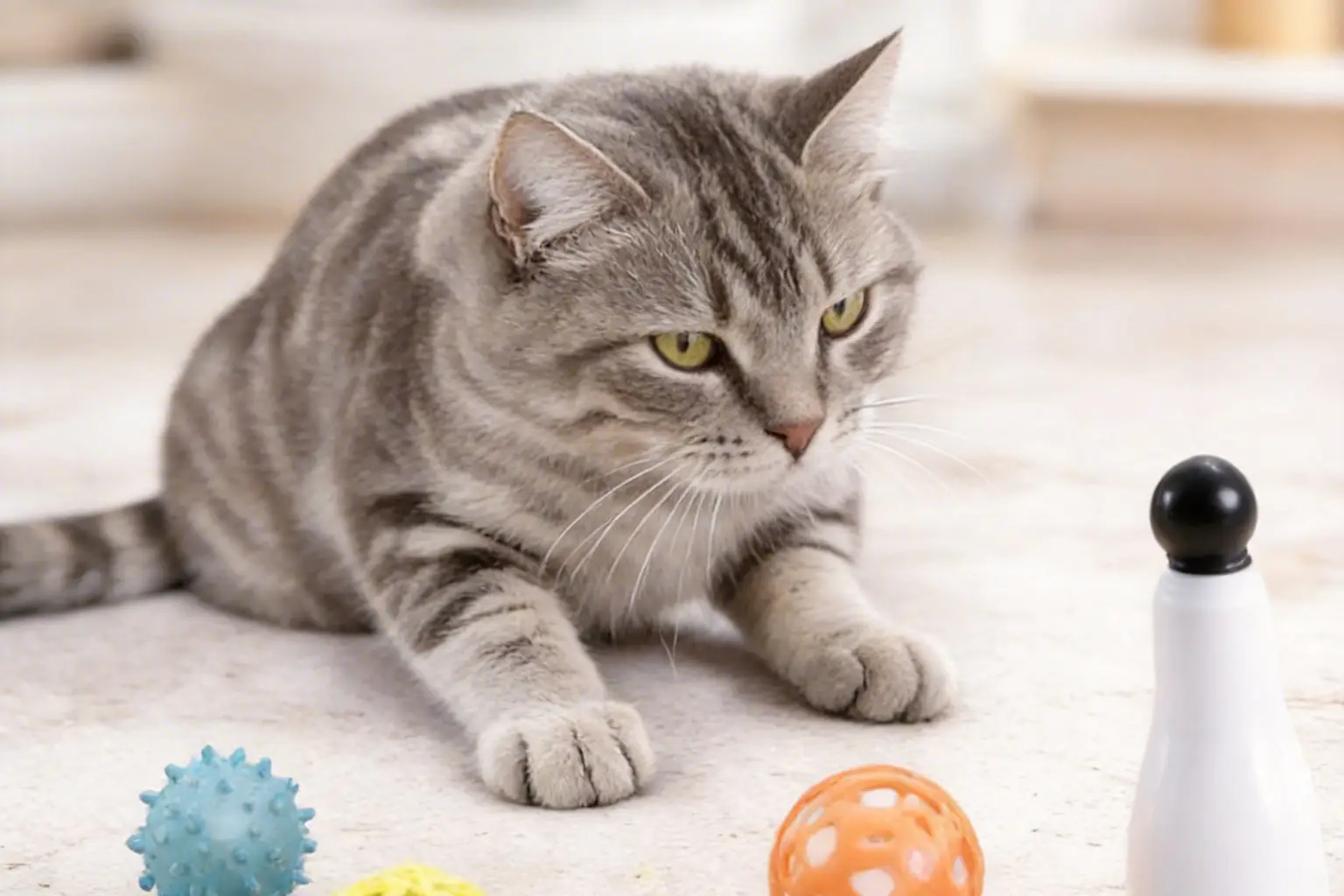


Soft chews, rubber toys, and frozen treats help puppies at different teething stages. Matching products to each phase ensures comfort and safety. Many puppies drool, show reluctance to eat, or become irritable during teething. Veterinarians recommend specific toys, such as Nylabone teething rings, for puppies between 12 and 24 weeks. The right dog teething stages products ease discomfort and protect household items.
Key Takeaways
Choose teething products based on your puppy’s age and size. This ensures comfort and safety during the teething process.
Select safe materials like natural rubber or silicone for teething toys. These materials are gentle on gums and reduce the risk of injuries.
Regularly inspect and clean teething toys to maintain hygiene and safety. Replace any damaged toys immediately to prevent accidents.
Dog Teething Stages Overview
Teething Timeline
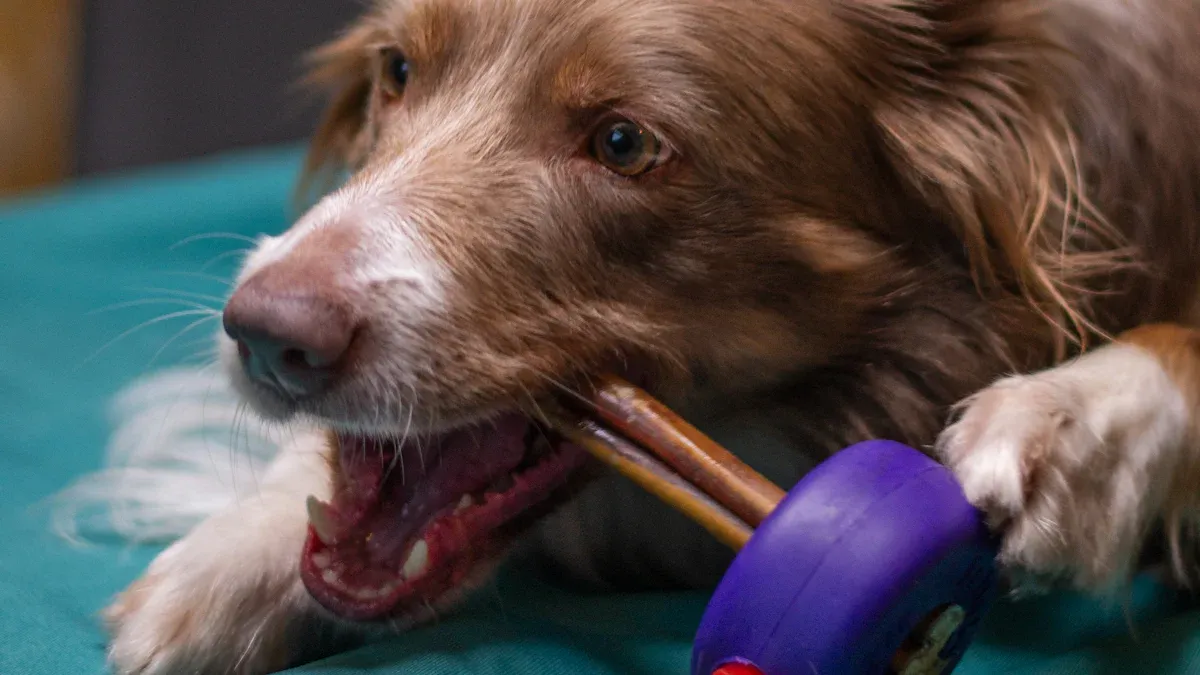
Puppies experience several distinct teething stages. The process begins when deciduous teeth appear. Most puppies grow these baby teeth between 3 and 6 weeks of age. Permanent teeth start to replace them after 4 months. The following table shows the typical timeline:
Stage of Teething | Age Range |
|---|---|
Appearance of Deciduous Teeth | |
Transition to Permanent Teeth | After 4 months of age |
Breed size influences the timing.
Larger breeds, such as German Shepherds and Great Danes, often shed teeth around 6 months.
Smaller breeds, like Chihuahuas, may begin as early as 14 weeks.
Understanding these stages helps owners select the right dog teething stages products for each phase.
Signs of Teething
Puppies show clear signs during teething. Owners notice changes in behavior and physical habits.
Mouthing more frequently
Stronger desire to gnaw on objects
Gnawing on furniture or household items
Seeking out different textures to chew
These signs indicate discomfort and the need for relief. Puppies benefit from safe and appropriate teething products. Owners who recognize these behaviors can provide support and protect their belongings.
Dog Teething Stages Products Guide
Early Stage Products
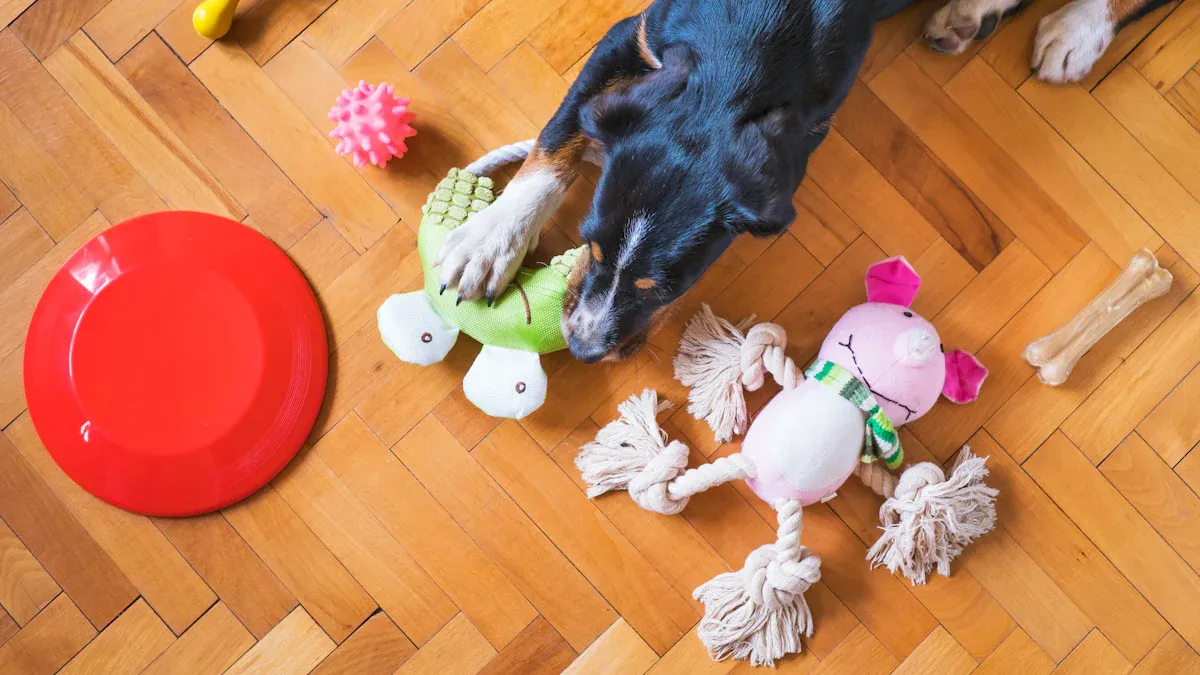
Puppies in the early teething stage need gentle and safe toys. Their gums feel sensitive, so soft materials work best. Owners often select products that soothe discomfort and encourage healthy chewing habits. The following table highlights popular options for this stage:
Product Type | Product Name | Price |
|---|---|---|
Best rubber and nylon chew | Nylabone Puppy Power Rings | $10 |
Best rope toy | Playology Peanut Butter Scented Rope Dog Toy | $13 |
Best frozen teething toy | Kong Puppy Toy Natural Teething Rubber | $7 |
Best dental chew | Benebone Puppy 2-Pack Dental Chew | $14 |
Best treat | N-Bone Puppy Teething Treats | $5 |
Soft rubber toys, such as the Kong Puppy Toy, can be chilled to provide extra relief. Rope toys like the Playology Rope Toy offer a safe texture for puppies to chew. Owners who choose dog teething stages products designed for early teething help puppies avoid destructive chewing and protect household items.
Tip: Rotate toys frequently to keep puppies interested and prevent boredom.
Middle Stage Products
During the middle stage, puppies develop stronger jaws and teeth. They require durable toys that withstand increased chewing pressure. Safety and engagement become important features. The table below outlines key characteristics and recommended products:
Feature | Description |
|---|---|
Durability | The Kong Puppy Durable Rubber Chew and Treat Dog Toy lasts longer and resists damage. |
Safety | Soft puppy rubber formula protects sensitive gums. |
Engagement | Unpredictable bounces keep puppies entertained and active. |
Dental Care | Denta-Ridges clean teeth and promote oral health. |
Size and Texture | Small size and soft texture suit puppies of different breeds and ages. |
Owners often select products like the Kong Puppy Durable Rubber Chew for its resilience and dental benefits. Toys with unique textures, such as the Petstages Cool Teething Stick, help clean teeth and soothe gums. Choosing dog teething stages products with these features supports healthy chewing and reduces destructive behavior.
Note: Supervise puppies during play to ensure toys remain safe and intact.
Late Stage Products
Puppies in the late teething stage need toys that match their growing strength and chewing habits. Products should remain soft enough to protect teeth but sturdy enough to last. Owners must select items that prevent choking hazards and soothe sore gums. The following list describes essential characteristics:
Soft materials prevent damage to puppy teeth.
Proper sizing avoids choking risks.
Gum-soothing ability provides comfort.
Consumer reports recommend several top-rated products for late-stage teething:
Product Name | Description |
|---|---|
Rubber Kong Toy | Soft, bouncy, durable; can be stuffed with treats. |
Nylabone Dura Chew | Semi-hard nylon; ideal for aggressive chewers; durable and engaging. |
Nylabone Puppy Teething Ring | Softer material; can be frozen for gum relief. |
Goughnuts Maxx 50 Stick | Durable rubber; gentle on gums; suitable for medium to large breeds. |
Mammoth Flossy Chews Cotton Rope | Soft cotton rope; safe for gums; sturdy for chewing. |
Owners who match toys to their puppy’s developmental stage see long-term benefits. Puppies develop healthy chewing habits, experience less discomfort, and show reduced destructive behavior. Selecting the right dog teething stages products ensures a comfortable teething experience and supports overall well-being.
Reminder: Replace toys that show signs of wear to maintain safety.
Choosing Teething Products
Size and Breed Considerations
Puppy size and breed play a major role in selecting teething toys. Small-breed puppies need softer and smaller toys to prevent injuries. Large-breed puppies require bigger toys that cannot fit entirely in their mouths, reducing choking risks. Owners should check toy size before purchase. A toy that is too small can become a choking hazard. Oversized toys may be too tough for young puppies. Matching the right toy to the puppy’s size and breed ensures comfort and safety during teething.
Tip: Always supervise puppies while they chew, regardless of breed or size.
Safe Materials
Veterinary studies recommend natural rubber and silicone for teething toys. These materials are durable, gentle on gums, and non-toxic. Latex-free toys reduce allergy risks. Brands like Kong, Planet Dog, GoughNuts, and West Paw use safe materials designed for durability and oral health. Owners should look for toys that bend easily and do not splinter. Choosing safe materials helps puppies avoid dental injuries and digestive issues.
Material | Safety Level | Recommended Brands |
|---|---|---|
Natural Rubber | High | Kong, GoughNuts |
Silicone | High | West Paw, Planet Dog |
What to Avoid
Dog owners often make mistakes when choosing teething toys. Hard materials like nylon, bones, and antlers can break teeth. Toys that do not bend pose risks for mouth injuries. Avoid toys with long strings, ribbons, squeakers, or foam stuffing. These features can lead to choking or blockages. Skip rawhide chews and toys with loose parts. Select stuffing-free, durable toys made from non-toxic fabrics. Owners who choose dog teething stages products wisely protect their puppies from common hazards.
Note: Replace damaged toys immediately to prevent accidents.
Using and Caring for Teething Products
Cleaning Tips
Proper cleaning keeps teething toys safe and hygienic. Owners should wash teething toys daily to remove dirt and saliva. Disinfecting toys after each use, especially for puppies on raw food diets, prevents the spread of harmful bacteria such as Salmonella and Listeria. Soaking hard, non-porous toys in a vinegar solution (one part vinegar to three parts water) for 10 to 15 minutes after washing ensures thorough sanitation. Neglecting regular cleaning allows residue and bacteria to build up, which can create unpleasant odors and shorten the lifespan of teething products.
Toy Type | |
|---|---|
Plush toys | Weekly or bi-weekly |
Rubber/Silicone | Every few days or when sticky |
Rope toys | Weekly or more often if wet |
Hard plastic toys | Weekly or as needed |
Tip: Remove saliva and residue after each play session to keep toys fresh and safe.
Rotating Toys
Rotating teething toys keeps puppies engaged and encourages healthy chewing habits. Introducing new toys builds interest and excitement. Puppies benefit from exploring various textures and shapes, which promotes oral health and prevents boredom. Owners can follow a weekly schedule to offer different toy types:
Day | Toy Texture |
|---|---|
Monday | Rubber |
Tuesday | Rope |
Wednesday | Nylon (when age-appropriate) |
Thursday | Ballistic |
Friday | Rubber |
Saturday | Rope/Ballistic |
Sunday | Frozen rubber |
Supervision during play ensures that toys match the puppy’s chewing strength and remain safe.
Monitoring for Damage
Regular inspection of teething toys protects puppies from injuries and hazards. Damaged toys can cause mouth injuries, fractured teeth, or punctures to the oral cavity. Swallowing large pieces may lead to intestinal obstruction or perforation. Owners should check toys for cracks, missing parts, or excessive wear. Promptly replacing damaged toys prevents accidents and keeps puppies safe.
Reminder: Discard any toy that shows signs of damage to avoid health risks.
Selecting the right teething products for each puppy stage supports dental health and comfort. Veterinarians recommend prioritizing size, durability, and material quality. Owners should consider these tips:
Chew toys with flexible textures clean teeth and massage gums.
Puppy-specific toys prevent tooth damage and reduce plaque buildup.
Supervision during play ensures safety.
Consulting a veterinarian helps tailor choices to each puppy. The right products make teething easier for both puppy and owner. 🐶
FAQ
What is the safest material for puppy teething toys?
Veterinarians recommend natural rubber or silicone. These materials resist breaking and do not splinter. Puppies chew safely and avoid mouth injuries.
How often should owners replace teething toys?
Owners should check toys weekly. Replace any toy that shows cracks, missing pieces, or heavy wear. This prevents choking and keeps puppies safe.
Can frozen toys help soothe teething pain?
Yes. Frozen toys numb sore gums and reduce inflammation. Puppies enjoy the cooling effect, which eases discomfort during teething.
