


Dog chew toy recall stories show real dangers that pet owners face. Many toys on the market lack strict safety rules. Some contain harmful materials or break apart easily. Owners trust labels, but misleading claims often hide risks. Learning from these cases helps protect dogs from serious health issues.
Unsafe toys can harm pets more than most owners realize.
Key Takeaways
Always prioritize safety when choosing dog toys. Look for durable materials and avoid toys with small parts that can pose choking hazards.
Stay informed about recalls by checking reliable sources like the FDA recall database. Regularly inspect toys for damage and discard any that show signs of wear.
Educate yourself on harmful chemicals in toys. Choose products made from safe materials like food-grade rubber and BPA-free silicone to protect your dog’s health.
Dog chew toy recall cases
High-profile recall stories
Many pet owners have seen headlines about dangerous toys. Some recalls have made national news because of the risks they posed to dogs. The following table shows some of the most widely reported dog chew toy recall cases in recent years:
Brand | Recall Details | Link |
|---|---|---|
United Pet Group | Recalls multiple brands of rawhide chews due to potential health risks. | |
Redbarn Pet Products | Recall of Bully Stick Dog Chews due to contamination concerns. | |
Loving Pets | Recall of dog treats in June 2017 due to potential health risks. |
Other high-profile cases include:
KTL Stretchy Dog Toys, which contained a sand-like material that tested positive for asbestos contamination.
PetSmart Tiny Tales toys, which were withdrawn from shelves after reports of breakage and ingestion risks.
The so-called “indestructible” toy bone, which faced recall after dogs suffered injuries from splintering pieces.
These cases show that even trusted brands can face a dog chew toy recall. Misleading claims, such as “indestructible,” often give owners a false sense of security.
Recall outcomes and lessons
Dog chew toy recall cases have led to serious injuries and health problems for many pets. Some of the most common issues reported include:
Damage to the hard palate or lower jaw when small bones get stuck.
Intestinal injuries from swallowed rope fibers.
Fractured or worn teeth from chewing on hard toys.
Choking hazards when pieces break off and lodge in the mouth or throat.
Foreign body obstruction that sometimes requires surgery.
Bones causing esophageal or intestinal blockages, perforation, or constipation.
Note: Even toys labeled as safe can cause harm if they break or contain hidden toxins.
The recall of the “indestructible” toy bone had a major impact on consumer trust. Many owners began to question the safety of all pet toys. This event showed how quickly confidence in a brand can disappear after a single recall. It also highlighted the need for strict safety standards in the pet toy industry.
Pet owners have learned to check for recalls and read labels more carefully. They now understand that safety should come before marketing claims. Manufacturers have faced pressure to improve quality control and remove unsafe materials from their products. The industry has seen a push for better regulations and more transparent recall processes.
Dog chew toy recall stories teach important lessons:
Owners must put safety first when choosing toys.
Brands must take responsibility for the materials they use.
The industry needs clear safety standards to prevent injuries and deaths.
These outcomes remind everyone that a simple toy can have serious consequences if safety is ignored.
Common recall causes
Toxic materials in toys
Many dog chew toy recall cases involve toxic chemicals that put pets at risk. Experts have found lead, phthalates, and BPA in many dog toys, especially those imported from overseas. These substances can cause serious health problems for dogs, such as organ damage and long-term illness. In fact, 48% of pet products tested by The Ecology Center’s Healthy Stuff Lab contained detectable lead levels. The following table highlights some common toxins and their health risks:
Toxic Chemical | Health Risks | Source |
|---|---|---|
Lead | Damage to brains, kidneys, and other organs; accumulates in the body | Ecology Center’s Healthy Stuff Lab |
Phthalates | Damage to kidneys, liver, and reproductive system | Project Hive Pet Company |
Bisphenol A | Changes metabolism; linked to cancer | Project Hive Pet Company |
Arsenic | Known human carcinogen; linked to various health issues | Ecology Center’s Healthy Stuff Lab |
Many countries lack strict regulations for pet toy safety. For example, the Toy Safety Directive in Europe does not apply to pet toys. Some general product safety rules exist, but they do not always prevent hazardous materials from reaching the market.
Choking and ingestion risks
Choking and ingestion hazards remain a leading cause of dog chew toy recall. Toys that break apart or have small detachable parts can become lodged in a dog’s throat or digestive tract. Dogs may swallow pieces of rope, rubber, or plastic, which can lead to blockages or require surgery. Owners should always supervise play and choose toys that match their dog’s size and chewing strength.
Tip: Always inspect toys for loose parts or signs of wear before giving them to your dog.
Design and manufacturing flaws
Poor design and manufacturing flaws also contribute to recalls. Some toys use low-quality rubber or plastic that splinters easily. Others have weak seams or attachments that break under pressure. Without rigorous safety testing, these flaws go unnoticed until injuries occur. Third-party testing services help identify risks before products reach store shelves. Manufacturers who invest in safety testing reduce the chance of dangerous toys causing harm.
Quality control lessons
Spotting unsafe toys
Pet owners can protect their dogs by learning how to spot unsafe toys. They should check the size of each toy to prevent choking. Owners must avoid toys with ribbons, strings, or small parts that can break off. Supervision during playtime helps prevent ingestion of dangerous pieces. Damaged or breaking toys should be discarded immediately. Labels that state toys are safe for children under three years old often indicate higher safety standards.
A few signs show that a toy may be unsafe or poorly made:
The toy tears apart easily or shows weak seams.
The size does not match the dog’s breed or chewing strength.
Frayed edges or broken parts appear during inspection.
Nylon toys, although popular, can fracture a dog’s teeth. Owners should select toys that match their dog’s chewing habits and avoid hard materials.
Tip: Inspect toys regularly for brittleness or frayed edges. Harmful chemicals like phthalates and BPA can leach from damaged toys.
Checking for recalls
Dog owners need to stay informed about recalls. The FDA website provides reliable information about dog chew toy recall announcements, market withdrawals, and safety alerts. Owners can find specific recall notices for products such as Redbarn Pet Products. Checking these resources before purchasing new toys helps prevent accidents.
FDA recall database
Market withdrawal alerts
Safety notifications
Manufacturer safety efforts
Manufacturers have started to improve safety by sourcing better materials and investing in rigorous testing. Many companies now use third-party labs to check for harmful chemicals and physical flaws. They design toys with durability and appropriate sizing in mind. Some brands label their products with safety certifications to help owners make informed choices. These efforts reduce the risk of unsafe toys reaching store shelves.
Choosing safe chew toys
Safe toy selection tips
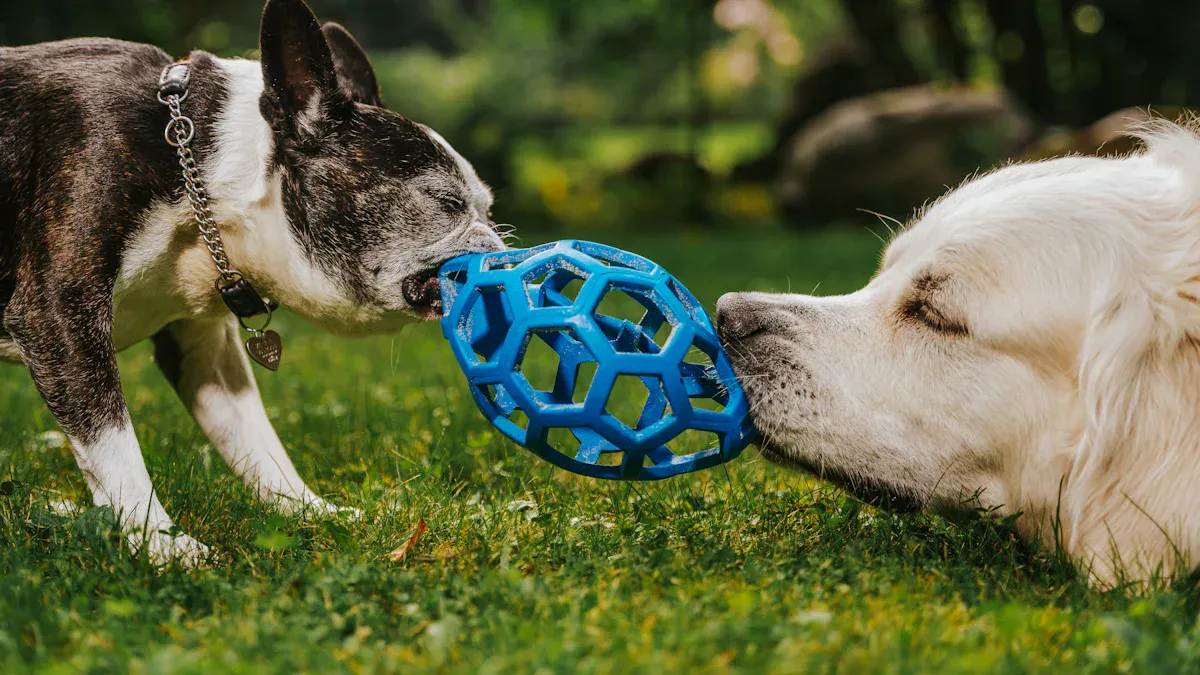
Selecting the right chew toy protects dogs from harm and supports their health. Owners should look for toys made from safe, durable materials. Veterinary experts recommend food-grade rubber, non-toxic nylon, and BPA-free silicone. These materials last longer and do not break into dangerous pieces. Owners should avoid toys made from cheap plastics, soft vinyl, or rawhide, as these can pose health risks.
The following table shows important criteria for choosing safe chew toys:
Criteria | Description |
|---|---|
Material Durability | Choose tough materials like nylon or cowhide for aggressive chewers. |
Safety and Construction | Look for solid, one-piece designs that do not break into sharp fragments or small parts. |
Added Benefits | Select toys with textured surfaces that help reduce plaque and massage gums. |
A good chew toy should match the dog’s size and chewing strength. Toys with interactive features can provide mental stimulation and physical exercise.
Avoiding recalled products
Owners can reduce risks by avoiding toys that have been part of a dog chew toy recall. They should choose sturdy, heavy-weight toys made in the USA. Toys with small parts or unclear material sourcing should be avoided. Products made in China may contain harmful substances, so owners should check labels carefully. Supervision during playtime helps prevent accidents with new toys.
Tip: Discard any toy that shows signs of wear, fraying, or breakage.
Staying informed
Staying updated on recalls and safety alerts helps owners make better choices. The FDA recall database provides current information on dog chew toy recall cases. Pet owners can also subscribe to safety notifications from trusted pet health organizations. Regularly checking these resources ensures that dogs stay safe from new risks.
Note: Responsible toy selection and ongoing vigilance protect pets from harm.
Dog chew toy recall stories highlight the need for careful choices and regular safety checks. Pet owners can protect their dogs by following these tips:
Avoid toys with single air holes, heavy dyes, or fire retardants.
Inspect toys for cracks or fraying and discard damaged ones.
Supervise playtime and choose toys that fit each dog’s size.
Make informed purchases by prioritizing quality and expert recommendations.
Proactive safety steps help prevent injuries and support long-term pet health.
FAQ
What should pet owners do if a toy gets recalled?
Owners should stop using the toy immediately. They can check the recall notice for instructions on returning or disposing of the product.
How can someone check if a dog toy is safe?
Owners can look for safety certifications, inspect materials, and read reviews. They should avoid toys with small parts or unknown chemicals.
Are toys labeled “indestructible” always safe?
No. “Indestructible” toys can still break or contain harmful materials. Owners should supervise play and inspect toys regularly for damage.
