


Are rope toys safe for dogs? Supervision plays a critical role in preventing injuries. Veterinary reports show fractured teeth, enamel damage, gum injuries, and gastrointestinal obstruction as common risks. Owners who choose durable, natural rope toys and inspect them regularly help reduce hazards. Heavy chewers face greater danger.
Key Takeaways
Supervise your dog while playing with rope toys to prevent injuries and monitor for frayed fibers.
Choose undyed natural cotton rope toys to avoid harmful chemicals and ensure safety for your dog.
Inspect rope toys weekly for wear and tear, and replace them if you notice any loose threads or damage.
Are rope toys safe for dogs?
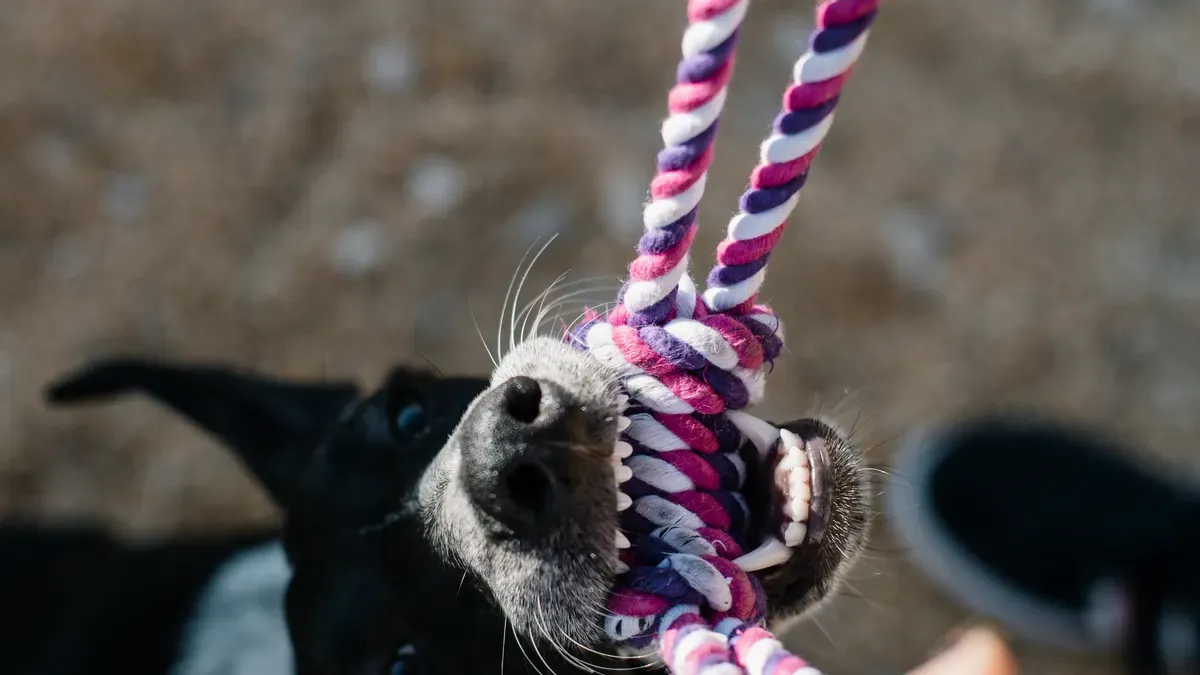
Veterinarians often receive questions about rope toys and their safety for dogs. They assess these toys by considering risks such as fiber ingestion, chemical exposure, and durability. Owners who ask, “are rope toys safe for dogs,” should understand that supervision, proper sizing, and regular inspections are essential. Rope toys can offer benefits for certain dogs, but aggressive chewers or unsupervised play increase the risk of injury.
Fiber ingestion risks
Dogs sometimes chew rope toys until fibers fray and break apart. When a dog swallows these fibers, serious health consequences may follow. The table below outlines common complications:
Health Consequence | Description |
|---|---|
Intestinal Blockage | Rope fibers can tangle and create blockages in the intestines, leading to severe complications. |
Internal Injury | The fibers may act like cutting wires, causing internal tearing and damage to digestive tissues. |
Need for Emergency Treatment | Severe cases may require surgical intervention to resolve the complications caused by ingestion. |
Symptoms of fiber ingestion include:
Loss of appetite
Lethargy
Abdominal discomfort
Restlessness or inability to settle
Constipation or diarrhea
Straining to pass stool
Veterinarians warn that linear foreign body obstructions from rope toys can be life-threatening. Owners must inspect toys regularly and discard any with loose threads or torn fabric. Pet safety organizations recommend checking toys at least once a week.
Tip: Dogs who disembowel stuffed toys or rip up rope toys need extra supervision. Fragments pose choking hazards and may require emergency treatment.
Toxicity and chemical concerns
Many rope toys contain synthetic materials or dyes that can harm dogs. Owners who wonder, “are rope toys safe for dogs,” should examine the toy’s composition. Common chemicals and dyes found in rope toys include:
PVC, which contains toxic additives like phthalates
Phthalates, which can affect organs such as the liver and kidneys
BPA, a hormone disruptor often found in plastics
Lead, a heavy metal that can cause organ damage
Melamine, linked to kidney failure
Arsenic, found in some squishy toys
Bromine, used as a fire retardant
Formaldehyde, which can cause respiratory and digestive issues
Undyed natural cotton rope toys provide a safer alternative. These toys are biodegradable, free from harmful chemicals, and softer on dogs’ mouths. They also naturally fray, offering dental benefits similar to floss.
Note: Avoid toys with strong chemical odors or synthetic dyes. Choose undyed natural cotton for safety and environmental benefits.
Durability and choking hazards
Durability plays a major role in the safety of rope toys. Owners often ask, “are rope toys safe for dogs,” because they worry about fraying and choking hazards. Rope toys, especially those wrapped around rings, require careful monitoring. If fibers separate, they can cause intestinal blockages or choking.
Hemp rope toys generally last longer and resist fraying better than cotton toys. The tightly interlocking hemp fibers minimize the risk of ingestion from loose strands. Cotton toys wear down quickly under aggressive chewing, increasing the risk of choking.
Pet safety experts recommend:
Avoiding toys with embellishments that can be removed or chewed
Inspecting toys for safety, especially if the dog rips up rope toys
Discarding any toy that shows significant wear
Owners should perform a quick safety check on pet toys at least once a week. Signs of wear include loose threads, torn fabric, or exposed stuffing. Discard any toy that shows significant wear to prevent ingestion hazards.
Alert: Rope toys can be safe for dogs if owners supervise play, choose durable materials, and inspect toys regularly. Aggressive chewers may need safer alternatives.
Choosing and caring for rope toys
Safe materials and construction
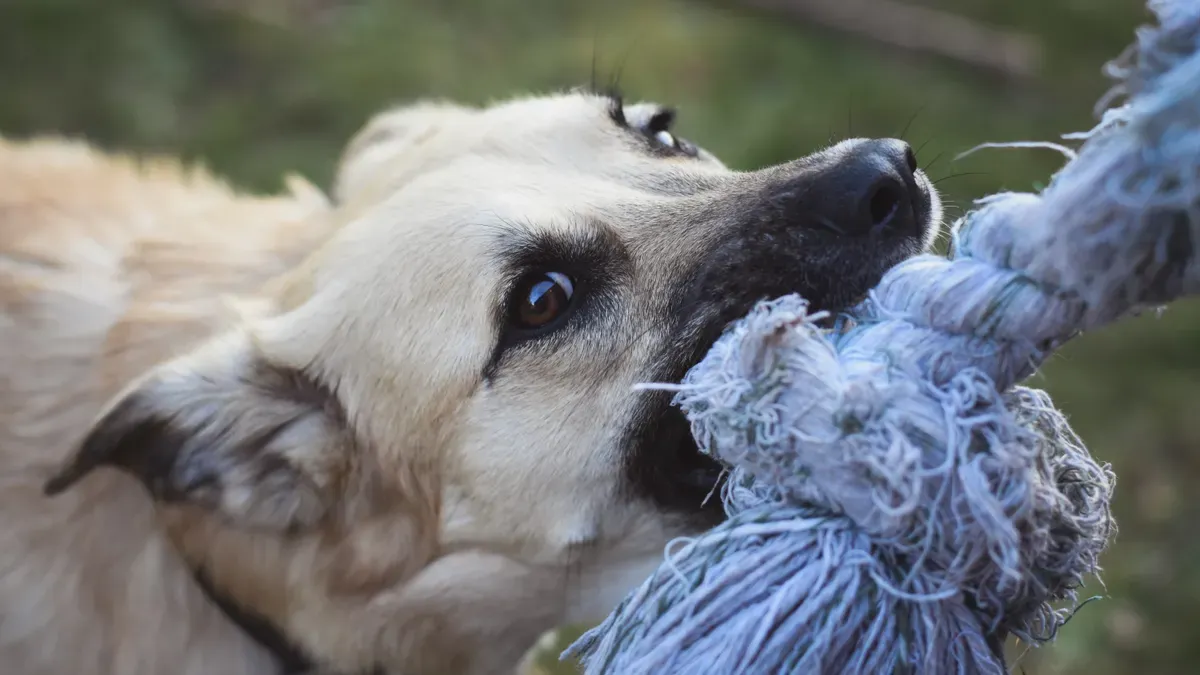
Dog owners should select rope toys made from safe, natural materials. Veterinary experts recommend solid braid cotton rope and twisted cotton rope for most dogs. These materials are gentle on teeth and easy to clean. The table below compares common rope materials and their safety:
Material Type | Benefits | Best For | Precautions |
|---|---|---|---|
Solid Braid Cotton Rope | Soft, natural, machine washable | Smaller dogs | Check for fraying regularly |
Twisted Cotton Rope | Soft, available in large sizes | Larger dogs | Use diameter over 1 inch for safety |
Manila Ropes (treated) | None | N/A | Avoid due to toxic chemicals |
Cheap Dyed Ropes | None | N/A | Avoid because of possible harmful dyes |
Hemp rope also offers durability and resists bacteria. Owners should avoid synthetic blends and manila ropes, which may contain unsafe chemicals. Choosing the right size prevents accidental swallowing.
Inspecting and cleaning
Regular inspection keeps rope toys safe. Owners should look for frayed or loose strings, exposed stuffing, or thinning areas. Replace cotton ropes when strands grow longer than two inches. Knot toys need replacement if knots become loose or untied.
Cleaning rope toys helps prevent mold and bacteria. Effective cleaning methods include:
Soaking the toy in clean water and microwaving for one minute
Washing in a laundry bag on a hot cycle without detergent
Soaking in boiling water with white vinegar
Drying toys completely before giving them back to the dog
Weekly cleaning is best for toys used outdoors. Indoor toys should be cleaned at least once a month.
Tip: Clean and inspect rope toys often to answer the question, are rope toys safe for dogs, with confidence.
Alternatives for heavy chewers
Some dogs chew aggressively or swallow fibers. For these pets, safer alternatives exist. Durable rubber toys, bully sticks, beef cheek rolls, and beef collagen sticks provide satisfying chewing without the risk of fiber ingestion. Heavy-duty rubber toys have a better safety record than rope toys for these dogs.
Owners should monitor their pets and choose toys that match their chewing style. This approach keeps playtime fun and safe.
Dog owners should supervise play, inspect rope toys daily, and select natural materials. Cleaning toys prevents mold and bacteria. Retire worn toys promptly. Many discontinue rope toys due to choking hazards or blockages. If risks persist, safer alternatives like rubber toys offer better protection for a dog’s health.
Reason for Discontinuation | Description |
|---|---|
Choking Hazard | Frayed fibers pose a choking risk. |
Potential Blockages | Ingested fibers cause digestive blockages. |
FAQ
Can puppies play with rope toys?
Puppies can play with rope toys under supervision. Owners should choose small, soft, natural cotton ropes and check for fraying after each play session.
How often should owners replace rope toys?
Owners should replace rope toys when they see fraying, loose threads, or knots coming undone. Weekly inspections help keep dogs safe.
Are rope toys good for a dog’s teeth?
Rope toys can help clean teeth by removing plaque. Owners should select natural fibers and monitor chewing to prevent fiber ingestion.
