


I always look for strong knots and the right length when picking or making a tug toy for my dog. The best choice depends on your dog’s size, how they play, and what keeps them safe. You can personalize toys yourself or ask a custom dog tug toy manufacturer for help.
Key Takeaways
Choose the right knot for your dog’s tug toy. The square knot is strong and easy to tie, making it ideal for most dogs.
Select the appropriate length based on your dog’s size. Small dogs need toys around 20 inches, while large dogs require toys at least 45 inches long.
Use durable materials like nylon or natural rubber for tug toys. These materials withstand strong chewers and provide a good grip.
Knot Options for Tug Toys
Square Knot and Other Common Knots
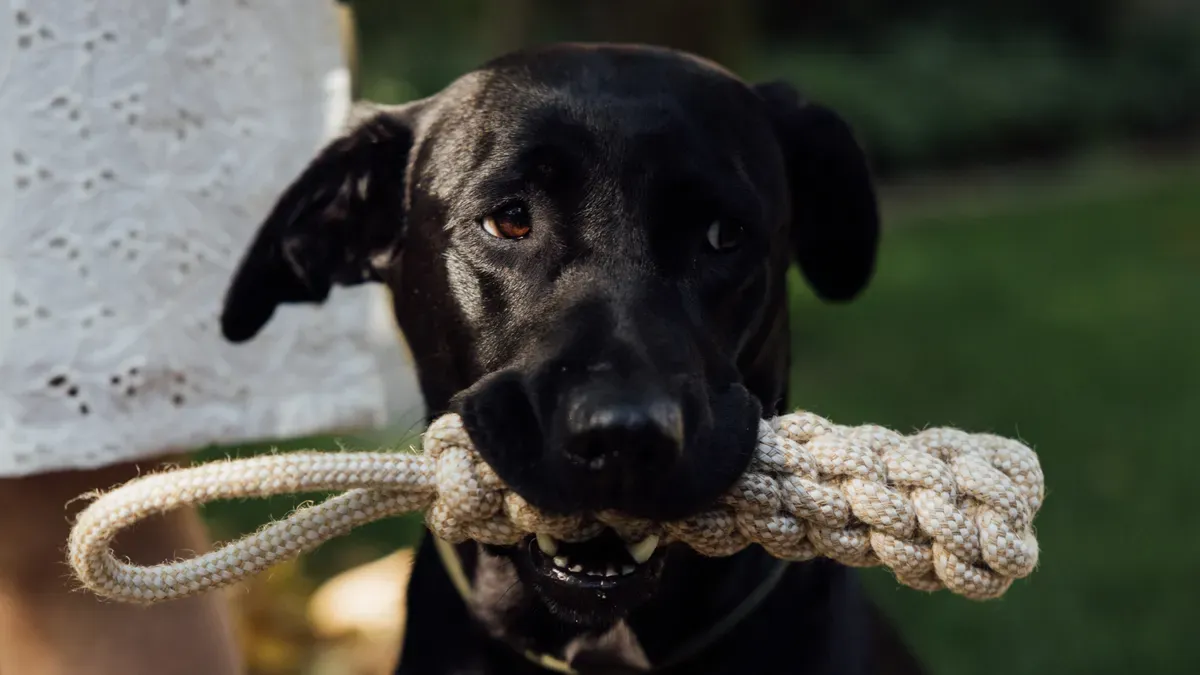
When I make a tug toy for my dog, I always start by thinking about which knot to use. The square knot stands out as the most popular choice for dog tug toys. I like it because it is simple to tie and holds fabric or rope together tightly. The square knot works well for most dogs and play styles.
Here are some common knots I see in tug toys:
Square Knot: This knot is my go-to. It secures the fabric or rope by folding each piece back on itself. I find it easy to tie and untie, which helps if I need to adjust the toy.
Overhand Knot: Some people use this knot as an alternative. It is not as strong as the square knot, but it can work for smaller dogs or lighter play.
Figure-Eight Knot: I sometimes use this knot for extra bulk at the ends. It adds a little more grip for both me and my dog.
The square knot’s popularity comes from its balance of strength and simplicity. I notice that it holds up well during tug games, especially when I tie it tightly and use thick material.
Starting, Finishing, and End Knots
I have learned that the way I start and finish a tug toy makes a big difference. The starting knot sets the foundation for the whole toy. If I do not tie it well, the toy can fall apart quickly. The finishing knot locks everything in place and keeps the toy from unraveling.
Let me break down the roles of each knot:
Starting Knot: This knot anchors the toy. I make sure it is tight and secure before I add more knots.
Finishing Knot: At the end, I tie a strong finishing knot to keep the toy from coming undone. Sometimes I double up for extra security.
End Knots: These knots give my dog something to grip. They also help prevent the toy from fraying.
I once tried making a tug toy with paracord and skipped a strong finishing knot. The toy looked great at first, but it came apart after a few play sessions. That taught me to never skip these important steps.
Tip: Always check your knots before giving the toy to your dog. A loose knot can turn into a safety hazard.
Choosing Knots for Durability and Safety
I always match the knot style to my dog’s size and chewing habits. For a small dog, I might use a basic square knot with thinner fleece. For a large or aggressive chewer, I use thicker material and double up on knots.
Here’s how I decide which knots to use:
For gentle chewers, a single square knot usually works.
For strong chewers, I add extra knots or use a figure-eight knot at the ends.
If my dog likes to chew and pull hard, I make sure every knot is tight and the material is thick.
I also pay attention to safety. The square knot works well because each piece of fabric folds back on itself, which adds strength. But I always supervise playtime. Even the best knot can come loose if my dog chews hard enough. I keep an eye out for fraying or loose ends, and I replace the toy if it starts to fall apart.
Some toys, like the Kong Classic or the Kong Wild Knots Bear, use special designs to boost durability. The Kong Wild Knots Bear, for example, has a rope skeleton inside. This makes it tougher than most plush toys, but I know it is not indestructible. No matter what knot or toy I choose, I always watch my dog during play.
Note: If your dog tries to swallow pieces of fabric or rope, take the toy away right away. Swallowing these materials can cause serious health problems.
By picking the right knots and checking them often, I keep tug games fun and safe for my dog.
Length and Material Selection by Dog Size
Length Guide for Small, Medium, and Large Dogs
I always start by thinking about my dog’s size before I pick the length of a tug toy. The right length makes playtime safer and more fun. Here’s what I’ve learned from making and buying toys for different dogs:
Small dogs (under 25 lbs): I stick with toys around 20 inches long. This length is easy for little mouths to grab and for me to control during tug games.
Medium dogs (25–60 lbs): I find that 30 to 45 inches works best. My medium-sized dog loves a toy that’s long enough for both of us to hold without getting too close to each other’s hands or teeth.
Large dogs (over 60 lbs): I go for toys that are at least 45 inches or longer. Bigger dogs need more space to pull and shake, and a longer toy keeps my hands safe.
Tip: If you’re not sure, ask a custom dog tug toy manufacturer for advice. They can recommend the perfect length based on your dog’s breed and play style.
Material Choices for Durability and Grip
I’ve tried a lot of materials for tug toys. Some last longer and feel better in my hands. Here are my top picks for durability and grip:
Nylon: I like nylon for its toughness. It holds up against strong chewers and doesn’t fray easily. I’ve seen toys made from nylon last for months, even with daily play.
Natural Rubber: This material gives a great grip. My dog and I both find it easy to hold, even when things get slobbery. Natural rubber also works well for dogs who like to chew and tug hard.
Thicker Fleece: For gentle chewers, I sometimes use thick fleece. It’s soft and easy to knot, but it doesn’t last as long as nylon or rubber.
I always check the hardness of rubber toys. I look for a hardness rating of 60–70 Shore A. This range keeps the toy tough but not too hard for my dog’s teeth. I also like toys with tapered ends, like the Kong Extreme, because they give both me and my dog a better grip.
Here’s a quick look at common materials and cleaning methods:
Material | Cleaning Method | Frequency | Drying Time |
|---|---|---|---|
Rubber | Dishwasher (top rack) | Weekly | 2 hours |
Nylon | Vinegar soak | Bi-weekly | 4 hours |
Plush/Fleece | Machine wash (cold) | Monthly | 6 hours |
I always choose materials that are safe for my dog. I look for FDA-approved materials, EN 71, ASTM F963, or REACH compliance. These standards mean the toy is free from harmful chemicals and safe for pets.
Note: Chewing is important for dogs. It helps with dental health and keeps them busy. I always pick materials that my dog can chew safely.
Custom Dog Tug Toy Manufacturer Tips
When I want something special, I reach out to a custom dog tug toy manufacturer. They offer lots of options, but I always keep a few things in mind to get the best toy for my dog.
Here’s what I do:
I tell the manufacturer my dog’s size, breed, and how rough they play. This helps them suggest the right length and material.
I ask about knot styles. Some manufacturers can make toys with custom knots for extra strength or grip.
I check if they offer custom shapes, branding, or packaging. This is great if I want a toy with my dog’s name or a special design.
Here’s a table of common customization options I’ve seen:
Customization Options | Description |
|---|---|
Custom shapes | Bones, rings, balls, and more |
Branding | Logo printing, laser engraving, raised branding |
Tailored packaging | Header cards, boxes, full retail sets |
I also ask about the materials they use. Leading companies like Heoupet, Beco Pets, and GoughNuts use custom rubber, TPR, natural rubber, and recycled plastics. I always ask for details so I know the toy will last.
Manufacturer | Common Materials Used | Toy Categories |
|---|---|---|
Heoupet | Custom rubber, TPR, plush | Chew toys, Fetch toys, Tug toys |
Beco Pets | Natural rubber, recycled plastic, eco materials | Natural rubber balls, Rope toys |
GoughNuts | Nearly indestructible rubber | Rubber rings, stick toys |
Before I order, I double-check for common concerns. I ask about rubber odor, hardness, tear resistance, and safety. I want to make sure the toy won’t fall apart or smell bad. I also ask for clear product photos and size details.
Tip: Good communication with your custom dog tug toy manufacturer leads to a better, safer toy for your dog.
I follow these steps when picking knots and lengths for tug toys:
Test the toy for fit.
Document specs.
Check prototypes.
Work with manufacturers.
Chewing helps my dog’s dental health. Tug toys also reduce stress, boost happiness, and strengthen our bond. Try these tips for safer, happier play!
FAQ
How do I clean my dog’s tug toy?
I toss rubber toys in the dishwasher and wash fleece toys in cold water. I always check the label or ask a custom dog tug toy manufacturer for tips.
Can I request a specific knot style from a custom dog tug toy manufacturer?
Yes! I always tell the custom dog tug toy manufacturer what knot style I want. They usually offer several options for strength and grip.
What should I do if my dog destroys tug toys quickly?
I talk to a custom dog tug toy manufacturer about tougher materials and extra knots. They can help me find a design that lasts longer for strong chewers.
