
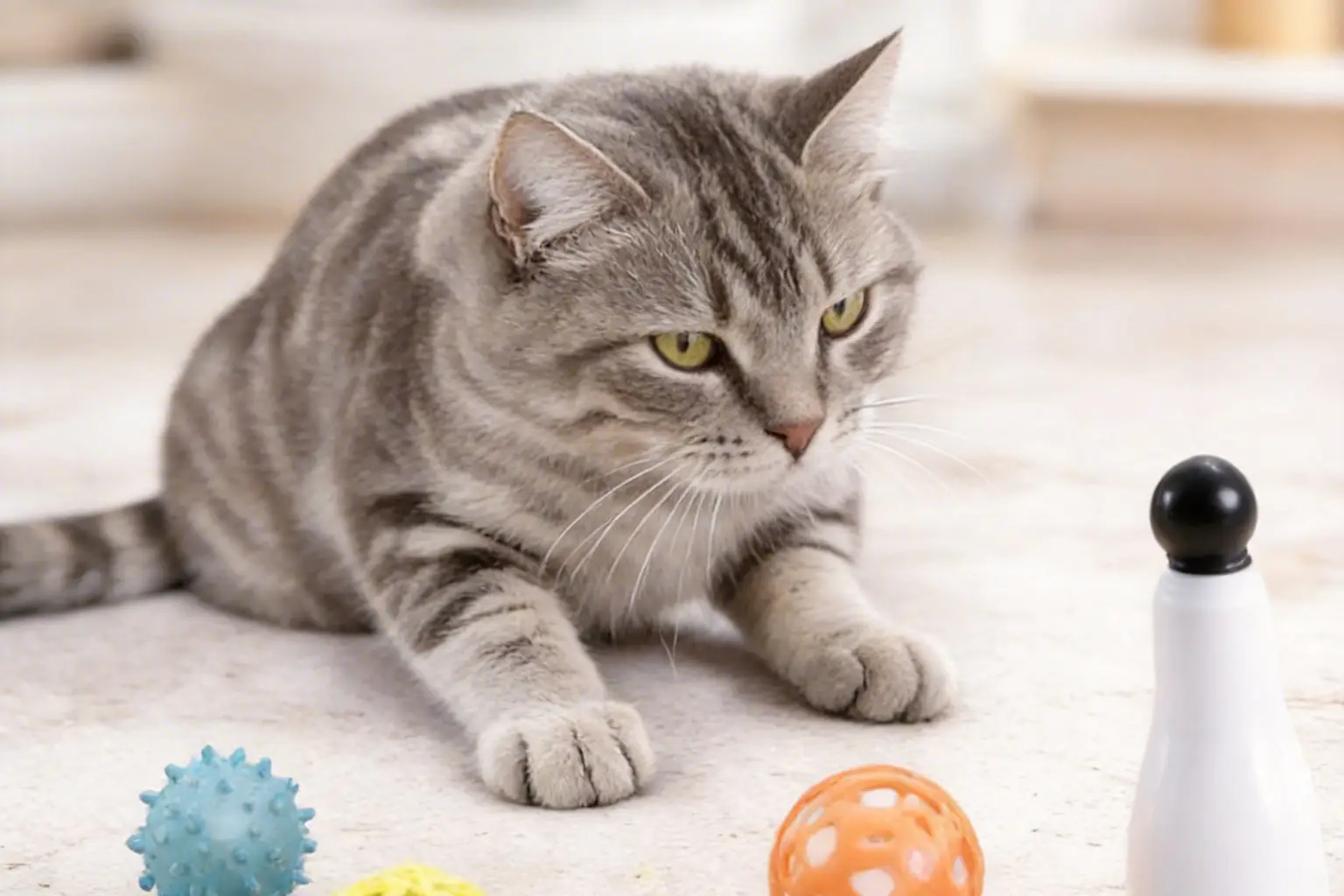


I have seen how new materials make a real difference in keeping my dog safe and healthy. Today’s antimicrobial dog toy uses food-grade silicone, natural rubber, and sustainable fibers. These choices help prevent harmful chemicals.
Key Points | Description |
|---|---|
Innovations in materials focus on non-toxic options that enhance safety. | |
Durability | New materials are more durable and reduce choking hazards. |
Oral Health | Advanced designs support better dental care for pets. |
Key Takeaways
Choose non-toxic materials like food-grade silicone and natural rubber for your dog’s toys. These options enhance safety and prevent harmful chemicals.
Look for durable toys made from thermoplastic elastomers or TPU. These materials resist wear and tear, reducing choking hazards and the need for frequent replacements.
Match the toy material to your dog’s chewing style. Hard rubber suits aggressive chewers, while softer options work for gentle play. This ensures safety and supports dental health.
Thermoplastic Elastomers & TPU
Antimicrobial Properties
I have noticed that thermoplastic elastomers and TPU help keep my dog’s toys cleaner for longer. These materials resist bacteria and mold, which makes them ideal for an antimicrobial dog toy. I often choose toys made from TPU because they do not absorb moisture. This feature helps prevent germs from growing inside the toy. When I pick up a toy after my dog finishes chewing, I feel confident that it stays safer between washes.
Safety & Durability
Safety matters most to me when I buy a new antimicrobial dog toy. TPU stands out because it offers exceptional tensile strength, tear resistance, and abrasion resistance. I have seen my dog chew through traditional rubber toys quickly, but TPU toys last much longer. Thermoplastic elastomers provide flexibility and comfort, but they do not match TPU’s durability in tough conditions. I trust TPU for toys that need to withstand heavy chewing and rough play.
Tip: Always check for toys made with high-quality TPU if your dog is a strong chewer. These toys reduce the risk of choking and help avoid frequent replacements.
Best Use Cases
I use thermoplastic elastomers and TPU for different situations. TPU works best for dogs that chew aggressively or play outdoors. I prefer thermoplastic elastomers for softer toys that my dog uses during gentle play. When I want an antimicrobial dog toy that lasts, I reach for TPU-based products. These toys fit well for fetch, tug-of-war, and solo chewing sessions.
Food-Grade Silicone in Dog Toys
Safety & Non-Toxicity
I always look for dog toys made from food-grade silicone because I want to keep my pet safe. Silicone stands out as a non-toxic material. I trust brands like West Paw Zogoflex, which manufacture their toys according to USA-FDA standards for human food packaging. This gives me peace of mind that the toy is safe for my dog to chew and play with.
Food-grade silicone does not contain harmful chemicals.
It is safe for direct contact with food and pets.
I feel confident using these toys every day.
Antimicrobial Effectiveness
I noticed that food-grade silicone works better than rubber for keeping toys clean. Silicone is non-porous, so it does not absorb odors or bacteria. I find that bacteria cannot hide in cracks or crevices, unlike rubber toys. This feature helps maintain hygiene and supports my dog’s dental health. When I choose an antimicrobial dog toy made from silicone, I know it will stay cleaner and safer for longer.
Tip: Silicone toys are easier to sanitize and do not trap germs, making them a smart choice for pet owners who care about hygiene.
Cleaning & Maintenance
I clean my dog’s silicone toys regularly to prevent bacteria buildup. I use warm water and pet-safe dish soap for daily cleaning. Sometimes, I soak the toy in a 1:1 solution of white vinegar and water for natural disinfection. I always rinse thoroughly and let the toy air dry completely to avoid mold growth.
Scrub with warm water and pet-safe soap.
Soak in vinegar and water for deeper cleaning.
Rinse well and air dry to keep the toy fresh.
Natural Rubber & Composites
Strength & Flexibility
I have seen how natural rubber and composite materials make a big difference in my dog’s toys. These materials offer impressive strength and flexibility. When I give my dog a high-density rubber chew toy, it lasts much longer than standard rubber toys. I noticed that:
High-density rubber chew toys can last an average of 4.2 days under continuous chewing.
Standard rubber alternatives only last about 1.1 days.
Thermoplastic elastomer blends can handle around 2.5 million cycles of chewing.
This means I do not have to replace toys as often, and my dog stays entertained with a toy that holds up to rough play.
Eco-Friendly Benefits
I care about the environment, so I look for toys made from natural rubber and composites. These materials come from renewable sources and break down naturally over time. Here are some reasons I choose them:
Natural rubber is biodegradable and comes from renewable sources.
Many brands use rubber from sustainably harvested trees.
These toys have a lower manufacturing footprint, which helps reduce carbon emissions.
Some companies offer end-of-life recycling programs for used toys.
Choosing these options helps me reduce my dog’s impact on the planet.
Antimicrobial Features
I want my dog’s toys to stay clean and safe. Natural rubber and composite materials often have antimicrobial properties that help prevent bacteria and mold from growing. When I pick an antimicrobial dog toy made from these materials, I know it will stay fresher between washes. This gives me peace of mind and keeps my dog healthier.
Note: Always check for labels that mention antimicrobial features when shopping for new toys. This small step can make a big difference in your dog’s health.
Sustainable Fibers & Recycled Materials
Hemp Rope & Organic Cotton
I often choose dog toys made from hemp rope and organic cotton because I want safe and natural options for my pet. Hemp grows without pesticides, so I do not worry about harmful chemicals. I like that hemp is twice as strong as cotton, which means the toys last longer during playtime. Here are some reasons I trust these materials:
Hemp is a strong, durable, and eco-friendly fiber.
It has natural antibacterial and antimicrobial properties.
Organic cotton, when tightly stitched, reduces the risk of fraying.
Hemp rope toys are not safe for aggressive chewers, especially when wet, as they can splinter and pose risks of choking or intestinal obstruction.
I always check the stitching and construction before giving these toys to my dog.
Recycled & Biodegradable Options
I want to help the planet while keeping my dog happy. Many brands now use recycled and biodegradable materials in their chew toys. These choices support sustainability and reduce waste. I find the following ecological advantages important:
Ecological Advantage | Description |
|---|---|
Reduced landfill waste | Natural decomposition |
Lower carbon footprint | Renewable feedstocks |
Ocean-safe | Marine biodegradable options |
Compost compatibility | Home and industrial composting |
I look for toys made from renewable, recyclable, or biodegradable materials. Natural rubber sourced from rubber trees is another favorite of mine.
Safety & Environmental Impact
I feel confident using sustainable fibers like coffee wood and hemp rope because they are free from harmful chemicals and synthetic materials. Coffee wood comes from upcycled agricultural waste and is processed without pesticides or adhesives. Hemp rope is unbleached and undyed. This natural composition keeps my dog safe and supports a circular economy by reducing waste. I believe choosing these materials benefits both my pet and the environment.
Advanced Nylon & Antimicrobial Dog Toy Tech
Built-In Antimicrobial Agents
I have seen how advanced nylon toys now include built-in antimicrobial agents. These agents help stop bacteria and mold from growing on the toy’s surface. When I choose an antimicrobial dog toy made from nylon, I know it will stay cleaner between washes. This gives me peace of mind, especially if my dog likes to chew for long periods. I also notice that these toys do not develop bad odors as quickly as older types.
Durability for Chewers
Durability matters most when my dog is an aggressive chewer. I always look for toys that can handle strong jaws. Advanced nylon toys stand out because they can withstand over 3500 PSI of pressure. They keep their shape even after many chewing sessions. I find that nylon toys are built for aggressive chewers and last longer than most other materials. Here is what I have learned:
Advanced nylon toys handle over 3500 PSI of pressure.
They keep their shape after lots of chewing.
Nylon and heavy-duty rubber both work well for power chewers.
Nylon is known for handling extreme chewing forces.
Tip: If your dog destroys most toys, try advanced nylon for better durability.
Customization by Size
I like that many nylon toys come in different sizes and packaging options. This helps me pick the right toy for my dog’s breed and chewing style. I can even find special packaging if I want to order in bulk.
Details | |
|---|---|
Packaging | Available (+ from +$1/piece/Min. order: 500 pieces) |
Choosing the right size means my dog stays safe and enjoys playtime more.
Testing & Certification
Antimicrobial Testing Methods
I always check how manufacturers test the antimicrobial properties of dog toys. Most companies embed antimicrobial agents directly into the material. This method keeps the toy effective for its entire life. I learned that surface coatings wear off quickly, but embedded agents stay active. Labs use tests like ISO 22196 to measure how well the toy resists bacteria. I feel more confident when I see these tests listed on packaging.
Safety Standards
I pay close attention to safety standards before buying a new toy. Many regulations protect pets and owners. Here are some important standards I look for:
General Product Safety Regulation (EU) 2023/988 makes sure products are safe and traceable.
REACH Annex XVII and POPs Regulation control chemicals used in toys.
Biocidal Products Regulation covers toys with antimicrobial finishes.
These rules help keep harmful substances out of my dog’s toys. I trust brands that follow these standards.
Recognized Certifications
I always search for certifications when choosing an antimicrobial dog toy. Certifications show that the toy passed strict tests. Some common certifications include:
Certification | What It Means |
|---|---|
CE Mark (Europe) | Meets EU safety requirements |
ASTM F963 (USA) | Follows American toy safety standards |
ISO 22196 | Proven antimicrobial effectiveness |
Tip: I check for these marks on packaging. They help me pick safe and reliable toys for my dog.
Choosing the Right Antimicrobial Dog Toy
Matching Material to Chewing Style
I always start by watching how my dog chews. Some dogs chew gently, while others bite hard and fast. I learned that matching the material to my dog’s chewing style keeps him safe and happy.
Hard rubber toys work best for aggressive chewers. They last longer and resist damage.
Plush toys are not safe for strong chewers. They can tear and cause health risks.
I look for non-toxic materials in every chew toy. This prevents health issues if my dog swallows a piece.
I check toys often for damage and replace them if needed. This helps avoid choking hazards.
Considerations by Dog Size & Age
I choose toys based on my dog’s size and age. Puppies need softer textures, while adult dogs often prefer tougher toys.
I pick the right size chew to prevent choking and help clean teeth.
The shape and texture matter. Some dogs like smooth toys, others want rough surfaces.
I make sure the toy allows comfortable chewing and does not break into small pieces.
Owner Tips for Selection
I follow veterinarian advice to keep my dog safe.
Chews should remove plaque with steady chewing contact.
I avoid antlers, hooves, and very hard nylon toys. These can fracture teeth.
If I cannot press my thumbnail into the chew, it is too hard.
Safe toys flex and give under pressure.
I look for toys with textured surfaces that touch the tooth on many sides.
I check for the Veterinary Oral Health Council (VOHC) seal. This shows the toy helps reduce plaque or tartar.
I supervise my dog while he chews. I make sure the toy does not break into small pieces.
I also watch for allergies. Many toys contain beef, chicken, milk, wheat, or soy. I choose hypoallergenic options that avoid these ingredients. I prefer toys made from sustainable materials. This helps protect the environment and keeps my dog healthy.
Tip: Always match the antimicrobial dog toy to your dog’s chewing style, size, and age. This keeps your pet safe and supports good dental health.
I have watched antimicrobial dog chew toys evolve with safer, eco-friendly materials. Manufacturers now use technologies from human food-contact products, which help inhibit biofilm formation and promote pet health.
Toys feature antimicrobial additives for safety
Brands prioritize biodegradable and recycled materials
Packaging uses minimalistic, recyclable designs
FAQ
What makes a dog chew toy antimicrobial?
I look for toys with built-in agents that stop bacteria and mold. These materials keep the toy cleaner and safer for my dog.
How often should I clean antimicrobial dog toys?
I wash my dog’s toys once a week. I use warm water and pet-safe soap. This keeps the toys fresh and safe.
Are antimicrobial dog toys safe for puppies?
I choose antimicrobial toys made for puppies. These toys use gentle materials and avoid harsh chemicals. I always check the label for age recommendations.
