


Injection molding creates dog chew toys with precision and speed. Manufacturers select materials carefully to protect pets from toxins and choking hazards.
45% of tested pet products contained hazardous chemicals.
Unsafe toys can cause intestinal blockages or choking.
Understanding the dog chew toy manufacturing process helps ensure safer choices.
Key Takeaways
Injection molding creates dog chew toys quickly and accurately, ensuring safety and durability for pets.
Manufacturers prioritize safe materials and thorough testing to prevent harmful chemicals and choking hazards in toys.
Understanding the manufacturing process helps pet owners make informed choices, ensuring they select safe and engaging toys for their dogs.
Injection Molding Overview
How Injection Molding Works
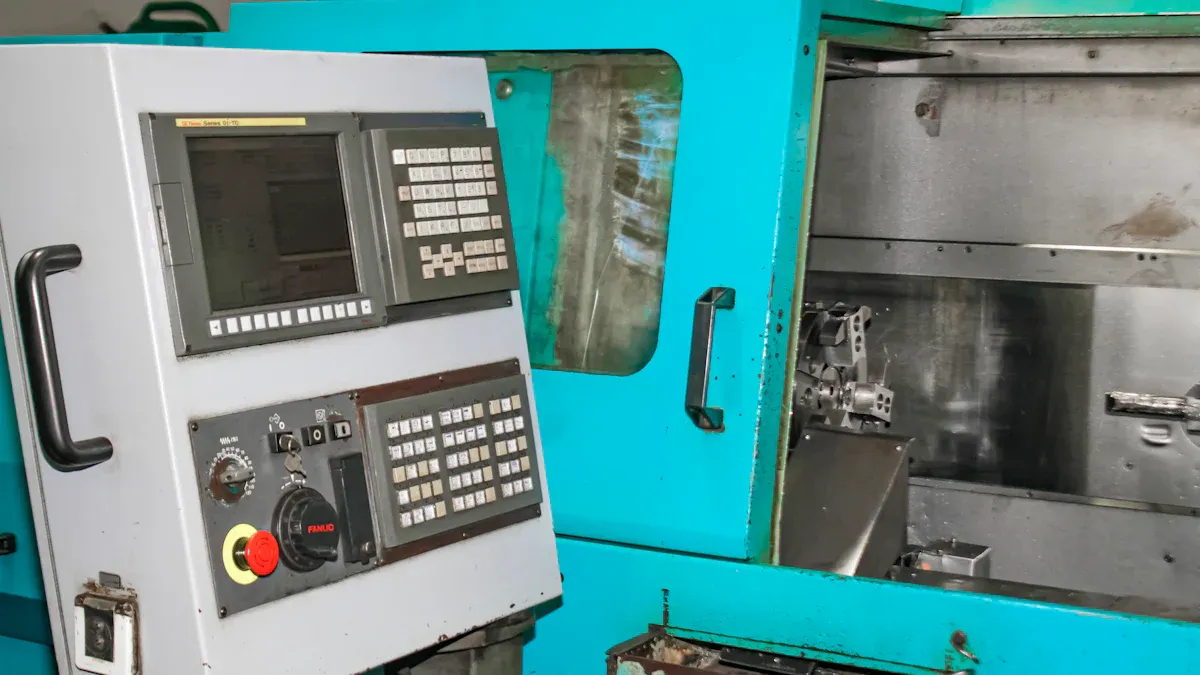
Injection molding shapes dog chew toys with accuracy and speed. The process begins with material preparation. Manufacturers mix natural rubber or other safe compounds and stabilize the formula. They inspect the mold for quality before injecting the material. Heated molds shape the toy, and cooling solidifies the design. Workers perform quality checks and make adjustments if needed. The final step involves packaging and shipment.
Main Stages in the Dog Chew Toy Manufacturing Process:
Making the Materials
Mold the Toy
Quality Check and Final Touches
Packaging and Shipment
Injection molding allows manufacturers to create toys with complex shapes and tight tolerances. This ensures each toy matches the original design and meets safety standards.
Benefits for Dog Chew Toys
Injection molding offers several advantages for pet products:
High precision and intricate designs help create safe and engaging toys.
The process scales easily, enabling rapid production of large volumes.
Controlled material injection reduces waste and supports environmental sustainability.
Manufacturers use recyclable and biodegradable materials to meet eco-friendly standards.
High repeatability ensures consistent quality across batches.
Although mold creation costs more initially, the low cost per toy in mass production makes injection molding financially attractive.
The dog chew toy manufacturing process supports both efficiency and safety. Manufacturers can produce lightweight, impact-resistant toys that protect pets and satisfy owners.
Design & Prototyping
Creating Toy Designs
Designers start by brainstorming ideas that balance fun, safety, and durability. They consider the needs of different dog breeds and chewing habits. A successful dog chew toy design must withstand strong jaws and frequent use. To guide the process, designers focus on several key factors:
Description | |
|---|---|
Material Selection | Choice of plastic depends on intended use, durability, safety, and regulatory compliance. |
Wall Thickness and Structural Integrity | Uniform wall thickness prevents warping, cracking, or weak points, particularly for chewable toys. |
Surface Finish | Smooth finishes prevent dirt accumulation and improve cleaning, while textured areas enhance grip. |
Overmolding and Multi-Material Features | Soft-touch grips or flexible areas can be overmolded onto rigid structures for safety and comfort. |
Cooling Channels and Cycle Efficiency | Efficient cooling ensures dimensional accuracy, reduces cycle times, and minimizes material waste. |
Designers often use computer-aided design (CAD) software to create detailed models. They share these models with engineers and manufacturers to ensure the design fits the injection molding process. Smart manufacturing techniques, such as real-time monitoring, help identify quality issues early and allow for quick adjustments.
Prototyping and Testing
Prototyping transforms digital designs into physical samples. Rapid prototyping technologies, like 3D printing, allow teams to produce test toys in days instead of weeks. Manufacturers then test these prototypes for seam strength, bite resistance, and washing performance. Testing often reveals weaknesses that design reviews might miss.
Manufacturers are increasingly adopting smart manufacturing techniques, which involve integrated systems for real-time monitoring and adjustments during production. This helps identify quality issues early, ensuring that dog toys can endure aggressive chewing.
Feedback from pet owners and focus groups plays a vital role. Teams hand out prototypes to target consumers and gather opinions through surveys. This feedback helps perfect the product before moving to mass production. The dog chew toy manufacturing process relies on this cycle of design, testing, and improvement to create safe and engaging toys.
Material Selection
Safe Materials for Chew Toys
Manufacturers select materials with care during the dog chew toy manufacturing process. They focus on durability, safety, and suitability for different chewing styles. The table below shows common materials used for various toy types and their safety features:
Toy Type | Material Used | Safety Features |
|---|---|---|
Ball-Style Chew Toys | Solid rubber | Recommended for durability and safety |
Ring-Shaped Toys | Tough rubber | Designed for aggressive chewers |
Bone and Stick Toys | Nylon, Zogoflex | Backed by lifetime guarantees for durability |
Stuffable Chew Toys | Durable rubber, various safe materials | Can be stuffed with dog-safe treats |
Tug Toys and Ropes | Cotton-fiber, durable rubber | Made from natural materials, safe for chewing |
Plush or Soft Toys | Durable soft materials | Some designed specifically for aggressive chewers |
Manufacturers avoid materials that contain harmful chemicals or break into small pieces. They test each material for bite resistance and ensure it meets safety standards. Toy makers also consider the cleaning process, since toys must withstand frequent washing.
Tip: Owners should check for certifications or safety labels when choosing chew toys. These labels indicate that the toy meets industry standards.
Silicone and TPE Advantages
Silicone and thermoplastic elastomers (TPE) have become popular choices in the dog chew toy manufacturing process. These materials offer several benefits:
TPE combines the best qualities of natural rubber and recyclable plastics.
TPE toys resist punctures and tears, making them suitable for strong chewers.
Silicone and TPE toys are easy to clean and maintain.
TPE toys float in water, which adds play value for dogs that enjoy swimming.
Manufacturers can recycle TPE, reducing waste and supporting sustainability.
Monprene TPE series provides improved durability and a broad range of performance features.
Silicone and TPE help manufacturers create toys that last longer and protect pets from injury. These materials also support environmental goals by allowing recovery and reuse.
Mold Tool Creation
Steel Mold Design
Engineers begin the mold tool creation by designing steel molds that match the toy’s shape and features. They use CAD software to build detailed models. These models help them plan for complex textures, grip zones, and safe edges. Steel molds must withstand high temperatures and repeated use. Designers select strong steel grades to prevent wear and maintain accuracy. They focus on creating molds that support the durability and safety of each toy.
Tip: A well-designed mold ensures that every toy produced matches the original design and meets safety standards.
Mold Fabrication
Fabrication teams use advanced machinery to cut and shape the steel molds. They follow the CAD models closely. Precision tools carve out cavities and channels for material flow and cooling. Workers polish the mold surfaces to remove imperfections. High-quality molds lead to precise design and structure, which are essential for the toy’s durability against aggressive chewing. The materials used, such as Monprene TPEs, enhance safety and eco-friendliness. Monprene TPEs improve puncture and tear resistance, making them ideal for toys designed for heavy chewing.
High-quality molds create toys with accurate shapes and strong structures.
Durable molds support the dog chew toy manufacturing process by reducing defects and waste.
Specialized materials in mold tooling help manufacturers produce toys that are safe for pets and children.
Fabrication teams inspect each mold before production begins. They check for flaws and test the mold’s performance. This careful process ensures that every toy meets strict safety and quality standards.
Dog Chew Toy Manufacturing Process Steps
Injection and Cooling
Manufacturers begin the dog chew toy manufacturing process by injecting heated material into steel molds. The material, often silicone or thermoplastic elastomer, flows into every cavity and forms the toy’s shape. Machines control the temperature and pressure to ensure accuracy. The mold closes tightly, preventing leaks and defects.
Cooling starts immediately after injection. The mold absorbs heat from the material, causing it to solidify. Cooling channels inside the mold help speed up this step. Workers monitor the cooling time to avoid warping or weak spots. Efficient cooling keeps the toy’s structure strong and prevents shrinkage. Quality control teams check the toy for proper shape and hardness before moving to the next stage.
Note: Cooling time and mold design play a major role in achieving consistent results. Manufacturers use real-time monitoring to catch any issues early.
Ejection and Trimming
Once the toy cools and hardens, machines or workers eject it from the mold. Ejection methods depend on the toy’s design and material. The table below shows common methods used in the industry:
Method | Description |
|---|---|
Rotocasting | Fills molds with liquid materials spun in a furnace. Toys are trimmed after ejection. |
Slush Casting | Uses vinyl plastisol for a softer texture. Toys are trimmed after removal. |
Blow Molding | Uses a core or mandrel. Parts are ejected manually or with compressed air for hollow designs. |
Injection Molding | Uses a core in the mold cavity. Ejection can be automated or manual. |
Compression Molding | Used for thermosets like natural rubber. Allows for high durability and complex shapes. |
Trimming removes excess material, known as “flash,” from the toy. Workers use specialized tools to cut away rough edges and ensure a smooth finish. Automated systems can trim toys quickly and consistently. Quality inspectors check for sharp edges, choking hazards, and other defects. They reject toys that do not meet safety standards.
Common defects include durability issues, choking hazards, and dental damage. Manufacturers prevent these problems by choosing safe materials and monitoring the condition of each toy. They also conduct drop tests and chew tests to simulate real pet use.
Surface Finishing
Surface finishing gives the toy its final look and feel. Manufacturers polish, texture, or coat the toy to enhance grip and appearance. They inspect the surface for consistency and quality. The table below outlines the stages of surface finishing and what brands check at each step:
Stage | What We Check | Why It Matters for Dog Toy Brands |
|---|---|---|
Material Incoming Check | Material batch, color direction, hardness target, fabric quality, stuffing, and document availability by project. | Maintains toy feel, performance, and compliance from the beginning. |
Pre-Production Confirmation | Approved sample, logo position, surface texture, product dimensions, fabric details, and packaging layout. | Reduces mismatch between sample approval and production output. |
In-Process Inspection | Appearance, flash, molding consistency, stitching, embroidery, filling, hole structure, and surface finish. | Catches process drift early before it becomes a full-order issue. |
Functional Review | Bounce, squeeze feel, squeaker placement, treat dispensing path, bite-zone structure, and mixed-material assembly. | Ensures the toy works as intended for chewing, enrichment, soft play, and interactive use. |
Final Inspection | Final AQL checks, packing, carton marks, quantity, labels, and shipment readiness. | Improves receiving quality for wholesalers, retailers, online sellers, and brand warehouses. |
Quality control measures help brands maintain consistency and safety. Teams perform regulatory compliance tests, chemical analysis, and mechanical checks. They inspect each batch for sharp edges, choking hazards, and sound pressure levels. These steps ensure the dog chew toy manufacturing process produces toys that match the mold design and meet strict safety standards.
Tip: Brands follow standards like EN71, ASTM F963, CPSIA, REACH, and Prop 65 to guarantee safety and compliance.
Manufacturers use these steps to create toys that are durable, safe, and enjoyable for pets. The dog chew toy manufacturing process relies on efficiency and precision at every stage, from injection to finishing.
Safety & Compliance
Meeting Pet Product Standards
Manufacturers must follow strict safety standards when producing dog chew toys. These standards protect pets from harmful chemicals and physical hazards. The table below shows important international safety standards for pet toys:
Safety Standard | Description |
|---|---|
FDA-Approved Materials | Ensures materials are safe for contact with food and do not harm pets if ingested. |
EN 71 | European standard for toy safety, covering mechanical properties, flammability, and heavy metal limits. |
ASTM F963 | U.S. standard for toy safety, addressing mechanical hazards and chemical safety. |
REACH Compliance | EU regulation restricting hazardous substances in products. |
CPSIA | U.S. regulation ensuring safety in children’s products, which many pet toys comply with for safety assurance. |
Manufacturers use several tests to check for safety and compliance. They perform risk assessments, chemical analysis, and durability tests. These tests look for sharp edges, small parts, and toxic substances like phthalates, BPA, lead, and formaldehyde. Harmful chemicals can cause hormone disruption, organ damage, and even cancer in pets. Regular testing helps prevent these risks.
Manufacturers in the U.S. keep detailed records and trace every batch of toys. This traceability helps them recall products quickly if a problem occurs. They also maintain technical files with risk assessments and supply chain information.
Labeling and Regulations
Proper labeling gives pet owners important information about the toy. In the United States, regulations require clear labels that show safety warnings, materials, and manufacturer details. In Europe, each country may have its own rules, but the focus remains on accurate labeling and holding manufacturers responsible for defects.
U.S. regulations cover labeling, safety standards, and chemical content.
European markets require compliance with local labeling laws and emphasize manufacturer responsibility.
Manufacturers who follow these rules help keep pets safe and build trust with customers.
Dog chew toy manufacturing involves design, material selection, mold creation, and quality checks. Safe materials and compliance remain essential.
Advantage | Description |
|---|---|
Lower unit price with scale | |
Efficiency | Minimal waste, optimal material use |
Consistency | Identical products for branding |
Pet owners and small business owners gain valuable insights by understanding this process.
FAQ
How do manufacturers ensure dog chew toys are non-toxic?
Manufacturers test materials for harmful chemicals. They follow strict safety standards like EN71 and ASTM F963. These steps protect pets from toxins.
Can injection molding create custom shapes for dog toys?
Manufacturers use injection molding to produce many shapes and textures. This process allows for creative designs that match different dog sizes and chewing habits.
What should pet owners check before buying a chew toy?
Look for safety labels.
Check for strong, durable materials.
Avoid toys with small parts or sharp edges.
