



Force majeure protects parties when unexpected events disrupt business. In pet manufacturing, a force majeure manufacturer contract shields both sides from losses. Force majeure covers natural disasters, supply chain failures, or pandemics. Without force majeure, companies risk disputes. Force majeure offers essential security in today’s uncertain market.
Key Takeaways
Force majeure clauses protect manufacturers and buyers from unexpected events that disrupt business, such as natural disasters or pandemics.
Including a force majeure clause in contracts helps avoid disputes and financial losses by clearly defining responsibilities during emergencies.
When a force majeure event occurs, both parties should review the contract, communicate openly, and seek legal advice to understand their options.
Force Majeure in Manufacturer Contracts
What Is Force Majeure?
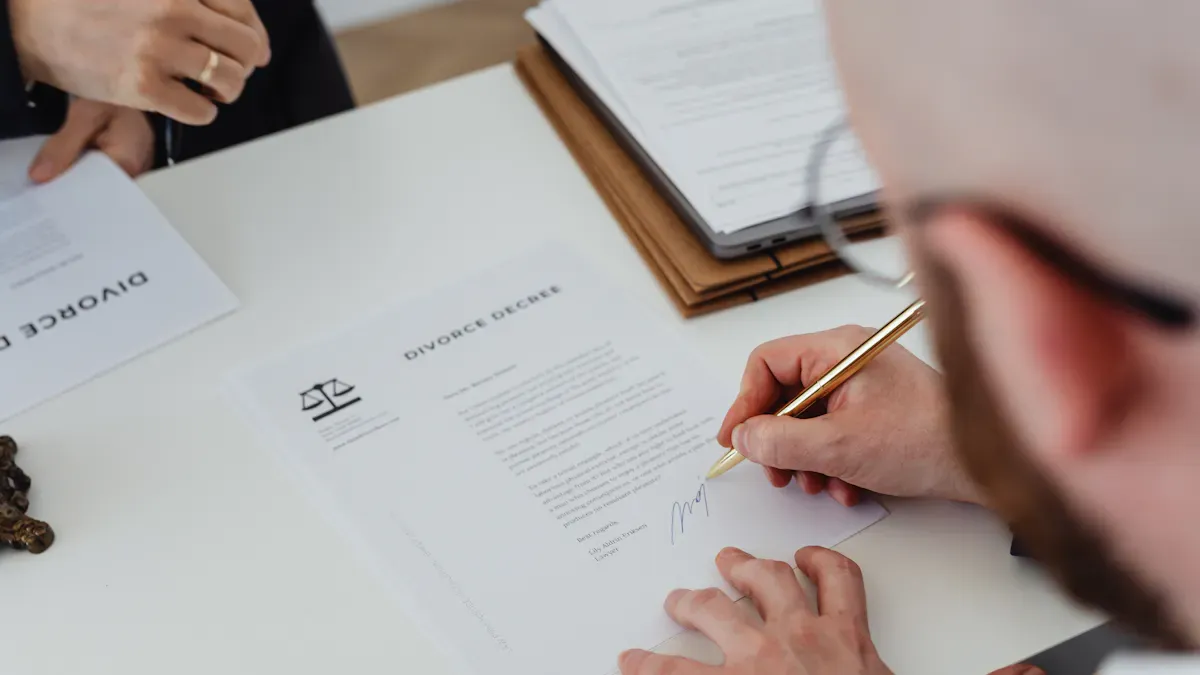
Force majeure refers to unexpected events that prevent parties from fulfilling their obligations in contracts. In a force majeure manufacturer contract, this concept plays a crucial role. It protects both manufacturers and buyers when circumstances beyond their control disrupt production or delivery. Courts interpret force majeure clauses based on the exact language in the contract. They rely on the ordinary meanings of the terms and avoid adding extra words. If a force majeure clause lists specific events, such as epidemics, those events can excuse performance. If an event is not mentioned, courts analyze the language to see if it fits a broader category. These clauses usually apply to legal or physical constraints, not economic issues. When a party claims a force majeure event, the court examines the contract’s wording to decide if the failure to perform is justified. If both sides agree, the contract may be suspended or canceled until they can fulfill it or renegotiate. Disagreements can lead to legal disputes, with courts interpreting the contract’s specific provisions.
Events Covered in Pet Manufacturing
Manufacturers face many risks in pet product contracts. Force majeure manufacturer contracts often list specific force majeure events that can disrupt operations. These events include:
Natural disasters, such as floods, hurricanes, or earthquakes.
Pandemics or epidemics that affect workers or supply chains.
Supply chain disruptions, like shortages of raw materials or transportation delays.
Government actions, such as new regulations or import bans.
Fires or explosions at manufacturing facilities.
Tip: Manufacturers should review their contracts to ensure all relevant force majeure events are included. This helps avoid confusion and protects both parties.
The table below shows legal precedents related to force majeure in manufacturing contracts:
Case Name | Citation | Context |
|---|---|---|
Virginia Power Energy Mktg., Inc. v. Apache Corp. | 297 S.W.3d 397 (Tex. App.—Houston [14th Dist.] 2009) | Affirmed enforcement of force majeure in natural gas supply contract due to hurricanes. |
Frost Nat’l Bank v. Matthews | 713 S.W.2d 365 (Tex. App.—Texarkana 1986) | Excused performance under mineral lease due to state law regulations. |
Hydrocarbon Mgmt. | 861 S.W.2d 436-37 | Found force majeure clause inapplicable due to reasonable control of defendant over compliance. |
Why Include a Force Majeure Clause?
A force majeure clause is essential in pet manufacturing contracts. It allocates risk and provides legal protection for both manufacturers and buyers. Without a force majeure clause, companies may face disputes and financial losses if unexpected events occur. The clause defines which events excuse performance and how parties should respond. It also clarifies the process for suspending or canceling the contract. Manufacturers and buyers benefit from clear terms that outline their responsibilities during disruptions. A force majeure manufacturer contract helps both sides plan for emergencies and maintain trust. Including a force majeure clause ensures that contracts remain fair and enforceable, even when unforeseen events arise.
Applying Force Majeure to Pet Manufacturing
How Force Majeure Works
Force majeure clauses operate as a safety net in pet manufacturing contracts. When an unforeseen event such as acts of god, war, or government actions occurs, the force majeure clause can excuse performance obligations for both manufacturers and buyers. The specific language in the contract determines if the event qualifies as force majeure. For example, if a pandemic disrupts supply chains, the force majeure clause may allow the manufacturer to pause or stop production without penalty. The clause also protects buyers by allowing them to seek alternative suppliers if the seller cannot deliver. Courts examine the facts and the contractual provision to decide if the force majeure clause applies.
Steps for Manufacturers and Buyers
When a force majeure event happens, manufacturers and buyers should take these steps:
Review the contract to understand the force majeure clause and any notice requirements.
Communicate clearly about the situation and any changes in obligations.
Seek legal advice to confirm if the event qualifies as force majeure.
Document all actions and decisions related to the event.
Consider fair allocation of available products if supply is limited.
Note: Buyers may source products elsewhere during a force majeure event, and sellers must allocate products fairly among customers.
Key Considerations | Description |
|---|---|
Force Majeure Clause Applicability | The contract language decides if an event qualifies as force majeure. |
Notice Requirements | Parties must follow notice rules to invoke force majeure. |
Performance Excusal | Performance is excused only during the force majeure event. |
If No Force Majeure Clause Exists
If a contract does not include a force majeure clause, parties may rely on legal doctrines like impossibility or impracticability. Texas courts allow the impossibility of performance defense when an unforeseen event makes performance impossible. The Uniform Commercial Code also provides relief if performance becomes impracticable. However, courts apply these doctrines narrowly. They expect parties to try to overcome obstacles. Only truly unforeseeable events excuse performance. A contractual provision for force majeure offers clearer protection than relying on these doctrines.
Understanding force majeure in pet manufacturing contracts helps reduce legal risks. Proactive contract review addresses legal requirements during planning and maintains ongoing compliance. Clear communication and legal consultation support both sides. Parties should ensure every contract includes a force majeure clause and a force majeure provision for robust protection.
Address legal requirements during planning rather than after problems arise.
Maintain ongoing compliance rather than hoping issues won’t develop.
FAQ
What happens if a force majeure event delays pet product delivery?
The manufacturer notifies the buyer. Both sides review the contract. The force majeure clause may excuse delays or allow renegotiation.
Can buyers cancel contracts during a force majeure event?
Buyers may cancel if the contract allows. Some clauses require waiting or renegotiation. Check the contract for specific cancellation terms.
Which events usually qualify as force majeure in pet manufacturing?
Event Type | Example |
|---|---|
Natural Disaster | Flood, hurricane |
Pandemic | COVID-19, flu outbreak |
Supply Disruption | Material shortage |
