



When you start working chinese manufacturer, clear communication shapes your success. Use simple words and give specific instructions. Understand that cultural differences can cause confusion. Consider these facts:
52% of Western buyers report misunderstandings that affect product quality or delivery.
28% of deals fail because of cultural misunderstandings, not product issues.
Key Takeaways
Use simple and direct language to avoid misunderstandings. This helps ensure your instructions are clear and easy to follow.
Build trust by responding quickly and consistently. Reliable communication shows your manufacturer that you are dependable and committed.
Respect cultural differences and understand the importance of relationships in Chinese business. This approach fosters better cooperation and smoother negotiations.
Preparing to Work with a Chinese Manufacturer
Research Business and Cultural Norms
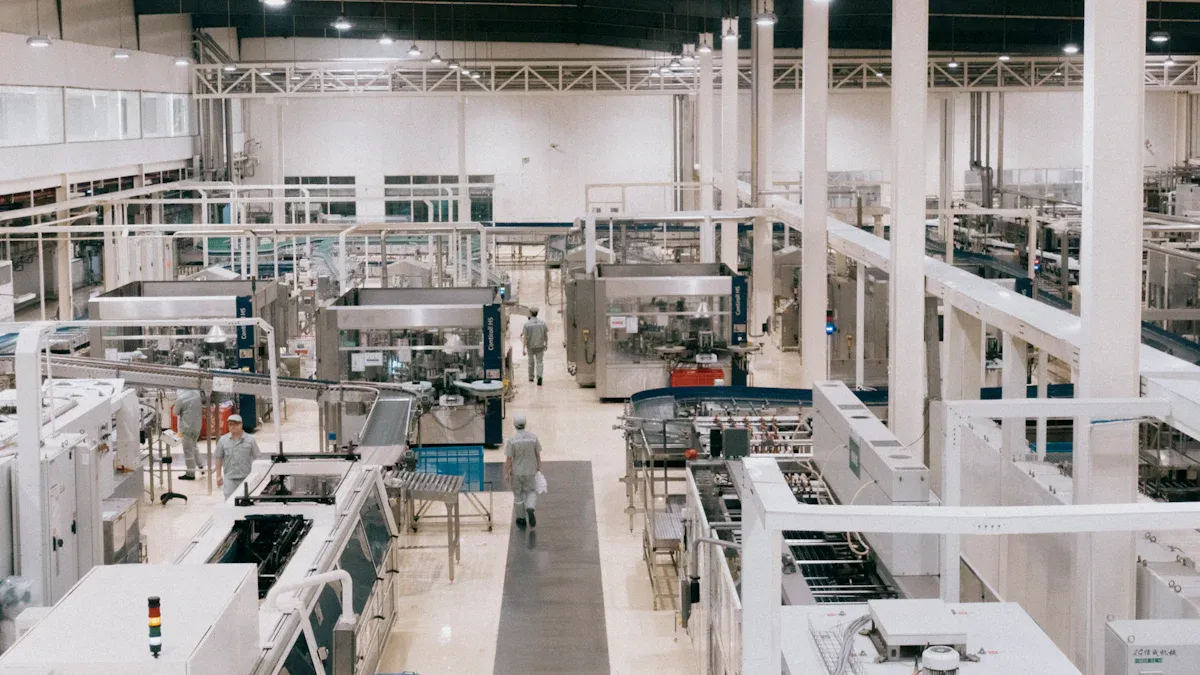
Before you start working chinese manufacturer, you need to understand the business etiquette and cultural norms. Relationships, or “guan xi,” play a central role. Trust and respect matter more than quick deals. Hierarchy shapes decision-making, so senior leaders often have the final say. You should pay attention to these practices:
Build mutual trust and respect.
Recognize hierarchical structures and titles.
Use appropriate greetings and business cards.
Arrive on time for meetings and events.
Begin meetings with small talk and tea service.
Accept invitations to business banquets.
Give suitable gifts, avoiding items that symbolize death.
“Successful business relationships in China are often built through patience, trust, and a clear understanding of hierarchy, communication, and social expectations.”
Identify Language Preferences
You must clarify language preferences early. Mandarin is the most common language, but Cantonese, Shanghainese, and Hokkien are also used in different regions. Some employees speak English, but proficiency varies. The linguistic diversity can complicate communication. Ask your manufacturer which language works best for daily interactions. This step helps you avoid misunderstandings and ensures smoother conversations.
Set Clear Expectations
Set specific goals and expectations before you begin communication. Use simple language and break down complex projects into smaller tasks. Establish a communication plan with templates and regular check-ins. Create a feedback loop to address concerns quickly. Identify overlapping work hours to manage timezone differences. These steps help you bridge the language gap and keep your project on track.
Choosing Communication Channels

WeChat, Email, and Calls
You have many options for staying in touch when working chinese manufacturer. WeChat stands out as the most popular tool. In fact, 83% of WeChat users rely on it for business communication. You can send quick messages, share files, and even make voice calls. Email works well for formal updates and sharing documents. Phone calls help you solve urgent issues or clarify details fast.
Tip: Choose one main contact person on both sides. This keeps your messages clear and avoids confusion.
You should also consider using a professional translator if you face language barriers. Regular check-ins by email, phone, or video calls help you stay updated and address problems early.
Scheduling Around Time Zones
China Standard Time (CST) is UTC+8. If you live in the US, you face a 12- to 16-hour time difference. You may wait 12 to 24 hours for an email reply. WeChat or WhatsApp can speed up communication, but you should not expect instant answers outside Chinese business hours. Time zone gaps make real-time talks hard and slow down decisions. Plan your messages and meetings to fit both schedules.
When to Use Video Meetings
Video meetings work best for complex topics or when you need to build trust. Use them for project kick-offs, quality checks, or solving big problems. Seeing each other helps you read body language and avoid misunderstandings. You do not need video for every update, but it can make a big difference for important discussions.
Clear Communication Tips
Use Simple, Direct Language
When you work with a Chinese manufacturer, you should always use simple and direct language. This approach helps you avoid confusion and keeps your instructions clear. Many misunderstandings happen because of translation issues or cultural differences. You can reduce these risks by choosing words that are easy to understand.
Avoid slang, idioms, or technical jargon.
Use the same terms for the same items every time.
Keep your sentences short and to the point.
Tip: On busy worksites, clear and consistent communication prevents errors and safety risks. Using standardized signals and terms keeps everyone informed and operations running smoothly.
You should also avoid using unnecessary synonyms in technical documents. Consistent terminology helps your manufacturer understand your needs. When you use direct language, you make it easier for your partner to follow your instructions, especially when working chinese manufacturer teams that may have different levels of English proficiency.
Be Specific with Instructions
Specific instructions help you get the results you want. Vague requests can lead to mistakes, delays, or extra costs. You should break down your requirements into clear steps. Visual aids like diagrams or photos can make complex topics easier to understand.
Here are some examples of how being specific improves manufacturing projects:
Example | Description |
|---|---|
Uses clear visual instructions, making it easy for users to follow steps. | |
Standard Operation Sheet | Involves workers in creating specific steps, using visuals for clarity. |
Work Combination Table | Breaks down processes into time segments, giving clear projections for each. |
You can also use a quality control checklist to ensure everyone understands the product specifications before production begins. This checklist helps both sides agree on what to expect and reduces the risk of errors.
Utilize pictures and diagrams for complex instructions.
Limit the number of communication channels to avoid confusion.
Ask your supplier about their preferred communication platform, such as WeChat.
Confirm Understanding Promptly
You should always confirm that your manufacturer understands your instructions. Do not assume that silence means agreement. Sometimes, cultural differences prevent direct clarification. You can ask your partner to repeat your instructions in their own words or send a summary after each meeting.
Use regular check-ins to review progress.
Make phone calls if you notice communication stalls.
Create a feedback loop so both sides can address concerns quickly.
Note: Arranging factory visits or hiring third-party inspection companies can help you verify that your instructions are understood and followed.
Prompt confirmation helps you catch misunderstandings early. This step is especially important when working chinese manufacturer teams across different time zones or languages. Quick feedback keeps your project on track and builds trust between both sides.
Building Trust and Relationships
Respond Quickly and Consistently
You build trust by responding quickly and consistently. When you follow up reliably, your manufacturer sees you as dependable. Companies that invest time in relationship-building achieve better pricing and face fewer disputes. Clients who respond to over 95% of messages experience fewer production delays and receive more proactive updates. You can send meeting summaries and track progress with shared dashboards. These actions show your commitment and help prevent shipment disruptions.
Quick replies signal respect and professionalism.
Consistent follow-up reduces misunderstandings.
Reliable communication encourages your partner to share challenges early.
Show Respect for Cultural Differences
Respecting cultural differences is essential when working chinese manufacturer. You should understand key aspects of Chinese business culture. The concept of “face” means you avoid direct criticism and maintain dignity. Hierarchy shapes interactions, so you address senior leaders with respect. Personal connections matter, and socializing helps build relationships.
Cultural Aspect | Description |
|---|---|
Face-Saving | Avoid direct criticism to prevent embarrassment and maintain dignity. |
Hierarchy and Respect | Recognize and respect the hierarchical structure in business interactions. |
Building Relationships | Emphasize the importance of personal connections and socializing in business dealings. |
In China, people value harmony and often use indirect communication to avoid conflict and protect relationships.
You can use the “sandwich method” for feedback: affirm, suggest, affirm. This approach helps maintain harmony and prevents loss of face.
Consider In-Person Visits
Face-to-face meetings play a crucial role in Chinese business culture. Visiting your manufacturer in person strengthens relationships, especially for complex or high-value orders. You can check production quality firsthand and build rapport beyond digital communication. Personal connections, known as “guanxi,” are highly respected. Informal conversations during visits reveal cultural nuances and help solve problems.
In-person meetings deepen trust and facilitate smoother negotiations.
Strong relationships may lead to better prices and improved quality control.
Shared meals and informal talks create a relaxed environment for discussing expectations.
Meeting your supplier in person demonstrates your commitment and interest. This effort makes it easier to build mutual respect and long-term cooperation.
Managing Challenges When Working Chinese Manufacturer
Overcoming Language Barriers
You face several challenges when working chinese manufacturer. Language diversity in China can cause misunderstandings in product specifications and negotiations. Many factory representatives may have limited English skills, which increases the risk of errors. You can overcome these barriers by using bilingual intermediaries who understand both languages and cultural nuances. Clear and concise documentation helps avoid confusion. Familiarize yourself with Chinese business culture, where indirect communication is common. What is left unsaid often matters as much as what is spoken.
Use bilingual intermediaries for important discussions.
Keep written instructions simple and direct.
Learn key phrases and cultural norms to build trust.
Using Third-Party Liaisons
Third-party liaisons bridge the gap between you and your manufacturer. These professionals communicate directly with factory staff and relay information to you in a familiar way. Liaisons offer engineering support and clarify expectations for product tolerances. Regular follow-ups ensure consistent quality. Trusted relationships and experience help liaisons resolve issues quickly and diplomatically.
Tip: A liaison can help evolve your product to meet market demands and provide valuable insights during negotiations.
Creating Feedback Loops
Effective feedback loops keep your project on track. Embed feedback opportunities throughout the customer journey. Use multiple channels, such as email, phone, and WeChat, to capture different perspectives. Automate small, actionable nudges to encourage continuous improvement. Define clear building blocks for feedback to avoid confusion. Close the loop publicly to build trust and involve your team so insights flow smoothly.
Best Practice | Benefit |
|---|---|
Multiple channels | Diverse input |
Automated nudges | Continuous improvement |
Public closure | Builds trust |
Team involvement | Seamless insight sharing |
You adapt to indirect communication by listening carefully and asking clarifying questions. Resolving issues diplomatically strengthens your relationship and improves outcomes.
You can succeed with Chinese manufacturers by setting clear objectives, gathering all details, and knowing your key contacts. Respect cultural differences and use simple language.
“Aim for a win-win relationship. Ongoing adaptation and trust lead to long-term success for both sides.”
FAQ
What is the best way to avoid misunderstandings with my Chinese manufacturer?
You should use clear, simple language and confirm understanding after each discussion. Visual aids like diagrams or photos help clarify your instructions.
How often should I communicate with my manufacturer?
You should check in at least once a week. Regular updates help you catch problems early and keep your project on track.
Can I use only email for all communication?
You can use email for formal updates.
For urgent issues or quick responses, you should use WeChat or phone calls.
