



You gain confidence in your product when you use a sample approval pet product process. This method lets you check specifications early, so you catch mistakes before production starts. > Careful review protects you from costly errors and helps you follow rules with less stress.
Key Takeaways
Sample approval helps catch mistakes early, saving time and money.
Clear documentation ensures compliance and builds trust with regulators.
Using checklists and templates improves accuracy and consistency.
Sample Approval Pet Product Workflow
What Is Sample Approval
You start the sample approval pet product workflow by creating a sample that represents your final product. This step sets the standard for quality and consistency. In pet product development, sample approval means you check if the sample meets all required specifications before you begin mass production. You use this sample as your benchmark, often called the “golden sample.” This process helps you avoid surprises and ensures your product matches expectations every time.
You rely on approval forms and structured workflows to guide your sample review. These tools help you document every detail, from ingredient lists to packaging design. You use them to record feedback and track changes. This documentation gives you proof that your product meets industry standards and regulatory requirements.
Tip: Always keep your approval forms organized. Clear documentation makes it easier to resolve questions during production.
Confirming Product Specs
You confirm specifications through a series of steps in the sample approval process. Each step in the workflow focuses on accuracy and safety. You use scientific methods and regulatory guidelines to check your product.
You demonstrate that your ingredients are Generally Recognized as Safe (GRAS). You rely on scientific consensus and may notify the FDA.
You submit a Food Additive Petition (FAP) if your product includes new ingredients. This step requires extensive data and can take years, but it ensures thorough safety checks.
You use the Animal Food Ingredient Consultation (AFIC) pathway to engage with the FDA. This method gives you transparency and a structured review process.
You use sample review to test your product against these specifications. You check for contaminants, validate therapeutic claims, and confirm labeling compliance. The table below shows common methods used in the workflow:
Method | Description |
|---|---|
You detect harmful substances like heavy metals and pesticides. This step protects pet health and ensures compliance with FDA standards. | |
Efficacy Testing for Drug-Classified Supplements | You validate therapeutic claims and check the bioavailability of active ingredients. This step confirms your product works as intended. |
Labeling Compliance | You make sure your labels accurately represent ingredients and health claims. This step is crucial for regulatory adherence and consumer transparency. |
You document every step in the workflow. You use sample review to catch errors early. You rely on structured processes like APQP and PPAP. APQP helps you detect potential failures through teamwork. PPAP gives you documented evidence that your workflow delivers quality based on validated trial runs.
You use these methods to verify specifications before production. You reduce mistakes and improve outcomes. You build trust with your customers and regulators by following a clear sample approval pet product workflow.
Documenting Specifications & Preventing Errors
Risks of Unclear Specs
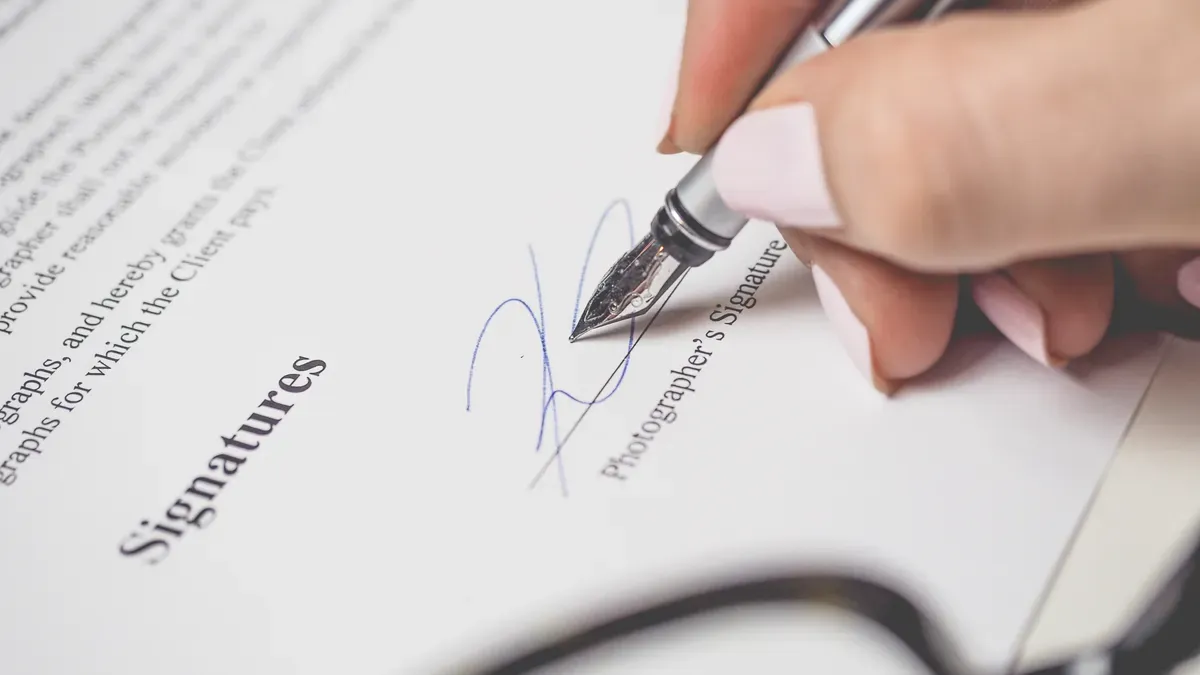
You face real risks when you do not document specifications clearly. Missing or vague details can lead to confusion during the workflow. You may see design flaws, such as small parts that detach or weak enclosures that break. Chemical non-compliance can happen if you do not check for harmful substances like heavy metals or phthalates. Locking and closure failures may occur if you skip proper testing. You might also miss important risk assessments or test reports, which can cause compliance issues.
Design flaws, including unsafe parts or weak enclosures
Chemical non-compliance, such as excessive heavy metals
Locking and closure failures that create safety hazards
Documentation gaps, like missing risk assessments
You need clear specifications to avoid these problems. Each detail you record in your documentation helps you build a safer and more reliable pet product.
How Approval Reduces Mistakes
You use the sample approval pet product workflow to prevent errors before production. This process gives you a structured way to review every detail. You start with a sample review, where you check the product against your specifications. You use feedback from each review to improve the design and catch mistakes early.
You follow the workflow step by step. You document changes and keep records for every review. This process helps you spot issues before they become bigger problems. You use the sample approval process to make sure your product meets all requirements. You reduce the risk of costly recalls and improve your final results.
Tip: Use checklists during each review to make sure you do not miss any part of the workflow.
Sample Approval Process Steps
Spec Creation
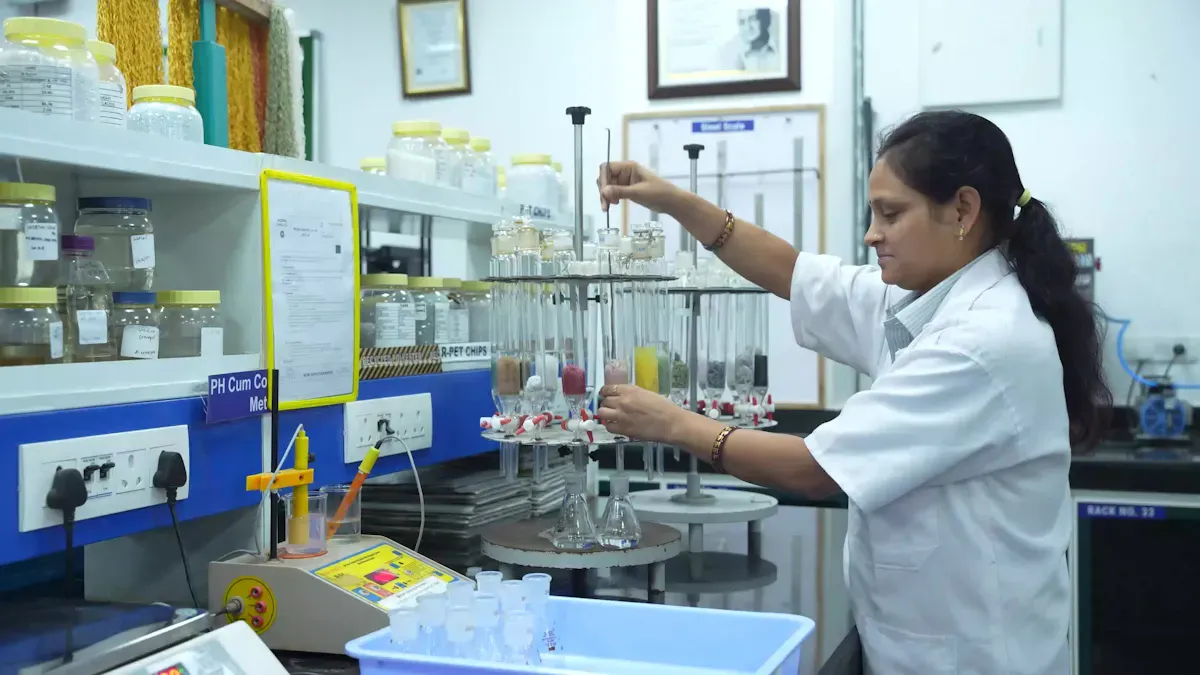
You begin the sample approval pet product workflow by creating clear specifications. You list every detail, such as ingredients, packaging, and safety requirements. You use templates and checklists to make sure you do not miss any important information. Industry leaders focus on supplier reliability, batch consistency, and analytical data when setting up specifications. These factors help you control your production chain and reduce risks. The table below shows how top companies approach this stage:
Key Point | Benefit |
|---|---|
Supplier reliability | Reduces operational risks |
Batch-to-batch consistency | Ensures precise formulations and stable production |
Analytical data availability | Helps in evaluating raw materials beyond just price |
You use this information to set your evaluation criteria for the next steps.
Sample Review & Feedback
You move to the sample review stage after you finish your specifications. You compare the sample to your criteria and check if it meets your expectations. You use the sample approval process to document every observation. You gather feedback from your team and sometimes from outside experts. You use checklists to guide your review and make sure you cover all points. Evaluating and approving samples at this stage helps you catch mistakes early. You revise your documentation based on feedback and update your evaluation criteria if needed. This workflow step ensures your product matches your vision before you move forward.
Final Approval & Compliance
You reach the final approval stage after you complete all reviews and revisions. You check that your product meets all regulatory requirements and quality standards. The table below outlines the main compliance areas you must address:
Compliance Area | Requirement Description |
|---|---|
Regulatory Requirements | Follow 21 CFR 211 for checks at all production stages |
Quality Assurance | Use management review and process approval systems |
Facilities and Equipment | Maintain clean, suitable facilities and equipment |
Components and Closures | Define systems for ordering and receiving materials |
Production Controls | Write standard operating procedures and master records |
Laboratory Controls | Use written quality control procedures and testing specs |
Stability Testing | Establish expiration times with written programs |
Finished Product Controls | Set acceptance criteria and procedures for nonconforming products |
Sterility Testing | Start testing within set timeframes and handle nonconforming products |
You also check labeling, conduct inspections, and follow compliance strategies. You complete the workflow with a final sign-off, showing that you have met all evaluation criteria and documentation requirements. This step confirms your product is ready for market and meets all standards for safety and quality.
Tip: Following best practices in evaluating and approving samples helps you avoid costly mistakes and ensures a smooth workflow.
Benefits & Tips
Accuracy & Consistency
You gain several advantages when you use a structured sample approval workflow for pet products. You improve accuracy by checking specifications at each stage. You reduce the number of product revisions because you follow clear evaluation criteria and review steps. The table below shows how different reporting categories impact product revisions:
Reporting Category | Description | Impact on Product Revisions |
|---|---|---|
Major Changes | Requires approval before implementation | Higher revisions |
30-day CBE | Moderate changes, less burdensome | Fewer revisions |
Changes upon Receipt | Immediate changes after application receipt | Reduced revisions |
Minor Changes | Periodic minor changes report | Streamlined, fewer revisions |
You also see improved consistency. You use sample tracking systems to monitor each sample and ensure specifications match your criteria. You rely on documentation to record every review and sign-off. This process helps you meet compliance standards and maintain product quality.
The table below highlights key benefits reported by pet product companies:
Benefit | Description |
|---|---|
Efficiency and Time-saving | |
Accountability and Transparency | Tracking each step keeps stakeholders informed and addresses delays |
Enhanced Collaboration | Centralized systems improve communication and teamwork |
Best Practices for Approval
You follow best practices in document approval to ensure your workflow runs smoothly. You use checklists and templates to streamline documentation and cover critical inspection points. You track necessary information efficiently and meet FDA and AAFCO regulations. You set clear evaluation criteria for each review and update them as needed.
Use checklists to guide each review and avoid missing details.
Apply templates for consistent documentation and easier sign-off.
Communicate specifications clearly to prevent misunderstandings.
Involve stakeholders in every review and require stakeholder sign-off.
Monitor sample tracking systems to maintain accuracy.
You improve product quality by following best practices and maintaining clear communication. You reduce delays and ensure your product meets all requirements.
Tip: Always update your evaluation criteria after each review to reflect new insights and feedback.
You ensure your pet product meets every specification when you use a structured sample approval workflow. Clear documentation, like photos, marked samples, and audit records, supports compliance and quality.
Step | Description |
|---|---|
1 | Take photos and videos of the sample. |
2 | Mark issues directly on the physical sample. |
3 | Record clear descriptions, corrections, responsible parties, and target completion dates. |
4 | Ensure the sample meets compliance with safety, durability, and chemical regulations. |
5 | Conduct internal audits against the approved specification sheet. |
6 | Obtain client sign-off on the final sample, which serves as the benchmark for mass production. |
You build trust with your team and regulators when you communicate clearly and document every step.
FAQ
What is a sample approval pet product workflow?
You use this workflow to check and approve product samples before production. This process helps you catch mistakes and meet safety standards.
Why should you document every step in the approval process?
You create a record for each review. This helps you prove compliance and fix problems quickly if they happen.
How do checklists help during sample approval?
Checklists guide you through each review step. You make sure you do not miss important details or requirements.
