


Have you ever wondered why do dogs like squeaky toys so much? Behavioral science shows these toys tap into instinct, spark mental engagement, and encourage activity. Squeaky toys help dogs manage stress, boost confidence, and build stronger bonds with owners. Understanding this benefits both pet owners and retailers.
Key Takeaways
Squeaky toys activate dogs’ natural hunting instincts, making playtime more engaging and satisfying.
These toys provide mental stimulation, helping to reduce anxiety and prevent destructive behavior in dogs.
Choosing the right squeaky toy based on your dog’s size and chewing style ensures safety and enjoyment during play.
Why Do Dogs Like Squeaky Toys: Instincts and Science
Prey Drive and Hunting Instincts
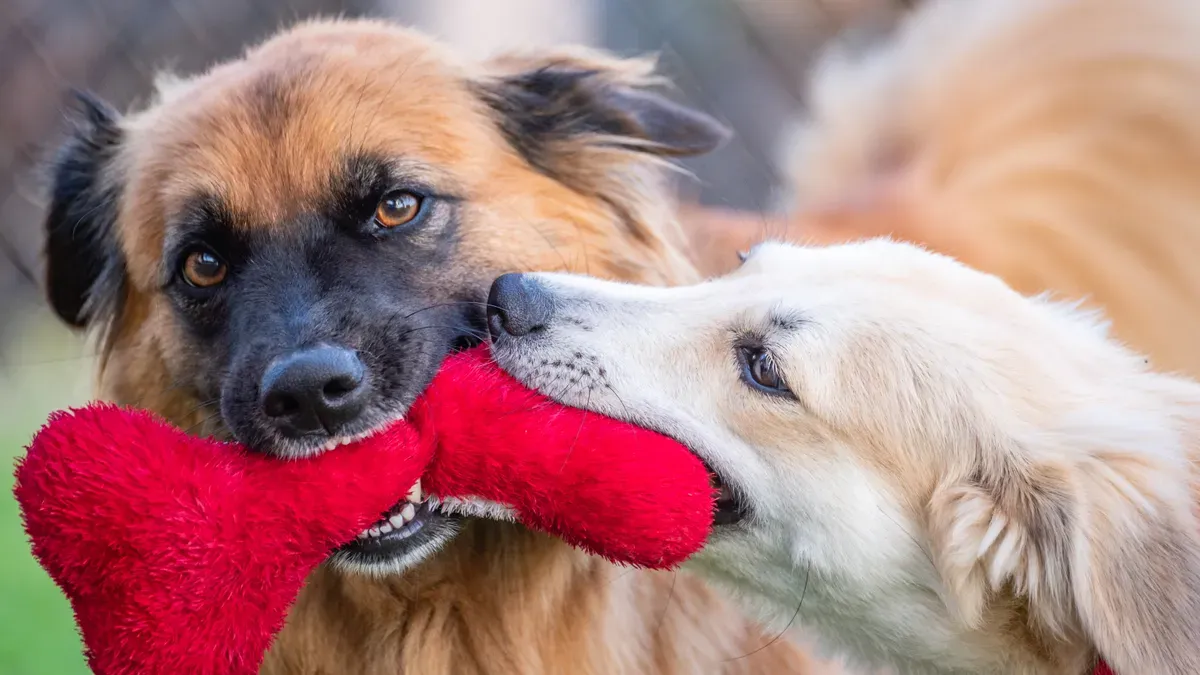
Dogs show a strong attraction to squeaky toys because these toys activate their natural hunting instincts. The high-pitched sound produced by squeaky toys mimics the distress calls of small animals. This triggers a dog’s prey drive, which is rooted in their evolutionary history. Many breeds, especially those developed for hunting, respond more intensely to these sounds. The following points highlight the scientific connection:
Squeaky toys produce noises similar to the cries of prey, which dogs’ ancestors used to locate animals in the wild.
The squeaking sound activates a dog’s predatory sequence, encouraging behaviors like chasing and biting.
Toys that resemble small, fuzzy animals further stimulate the instinct to hunt.
Hunting breeds often prefer squeaky toys, showing a link between breed traits and prey drive.
Understanding why do dogs like squeaky toys helps owners select toys that match their dog’s instincts and energy levels.
Positive Reinforcement and Reward
Squeaky toys provide immediate feedback during play, which acts as a reward for dogs. The sound reinforces their actions, making playtime more engaging. Trainers often use squeaky toys as high-value rewards in training sessions. This positive reinforcement encourages dogs to repeat desired behaviors. Here are some key points:
The squeak mimics the noise of prey, satisfying a dog’s natural hunting urge.
Dogs receive instant reward feedback when they bite or squeeze the toy.
Squeaky toys stimulate engagement and keep dogs motivated during play.
Trainers use these toys to reinforce good behavior and build confidence.
When considering why do dogs like squeaky toys, it is important to recognize the role of reward and reinforcement in shaping behavior.
Calming Effects and Comfort
Squeaky toys offer more than just entertainment. They provide comfort and help reduce anxiety in dogs. Veterinarians and animal behaviorists note that mental stimulation from toys keeps a dog’s mind occupied. This reduces boredom and stress. Soft squeaky toys can also offer emotional comfort, especially for puppies or dogs that enjoy snuggling. The benefits include:
Mental stimulation from toys lowers anxiety and prevents destructive behavior.
Soft toys satisfy the need to chew, play, or rest, supporting emotional well-being.
Enrichment through toys is linked to improved brain health in aging dogs.
Toys facilitate social interaction and sensory stimulation, contributing to overall comfort.
Knowing why do dogs like squeaky toys allows owners to provide enrichment that supports both mental and emotional health.
Tip: Rotate squeaky toys regularly to keep your dog interested and mentally stimulated.
Squeaky Toys: Engagement, Safety, and Retail Display

Mental Stimulation and Well-Being
Squeaky toys do more than entertain. They keep dogs’ minds active by challenging their problem-solving skills and memory. Regular play with these toys can help prevent cognitive decline, especially in older pets. When dogs focus on the sound and texture, they stay engaged and less likely to develop destructive habits. This is one reason why do dogs like squeaky toys—they offer both mental and sensory stimulation.
Individual Differences and Safety Tips
Not all dogs react the same way to squeaky toys. Breed and personality play a role in how much a dog enjoys these toys. For example:
Breed Type | Play Behavior Level | Predatory Motor Sequence |
|---|---|---|
Herders | Higher | Intact |
Retrievers | Higher | Intact |
LGDs | Lower | Inhibited |
Tip: Always supervise your dog with new toys. Check for damage before and after play. Remove toys that show signs of wear to prevent choking.
Choosing the Right Squeaky Toy
Selecting the right squeaky toy depends on your dog’s size and chewing style. Durable rubber or nylon toys work best for strong chewers, while softer toys suit gentle dogs. Consider the pros and cons:
Pros | Cons |
|---|---|
Easy to wash, dogs love the sound | Can tear easily, risk of swallowing parts |
Useful for training rewards | Not for unsupervised chewing |
Retail Display Strategies for Pet Products
Retailers can boost sales by updating displays with new squeaky toys and offering bundle pricing. Placing toys near checkout encourages impulse buys. Highlighting the mental benefits of squeaky toys helps answer why do dogs like squeaky toys and attracts informed pet owners.
Understanding why dogs love squeaky toys helps owners and retailers make better choices.
Key Finding | Benefit |
|---|---|
Satisfies natural urges | |
Mental Engagement | Prevents boredom |
Comfort and Emotional Support | Reduces anxiety |
Choose safe, durable toys that match your dog’s needs.
Retailers can use these insights to improve product selection and customer satisfaction.
Happy dogs mean happier homes and thriving businesses!
FAQ
Why do some dogs destroy squeaky toys quickly?
Some dogs have strong jaws and high prey drive. They enjoy the challenge of tearing toys apart. Supervise play to keep your dog safe.
Are squeaky toys safe for puppies?
Squeaky toys can be safe for puppies if you choose the right size and material.
Always check for loose parts and supervise play.
How often should I replace squeaky toys?
Replace squeaky toys when you see damage or missing pieces.
Inspect toys weekly
Remove broken toys immediately
