
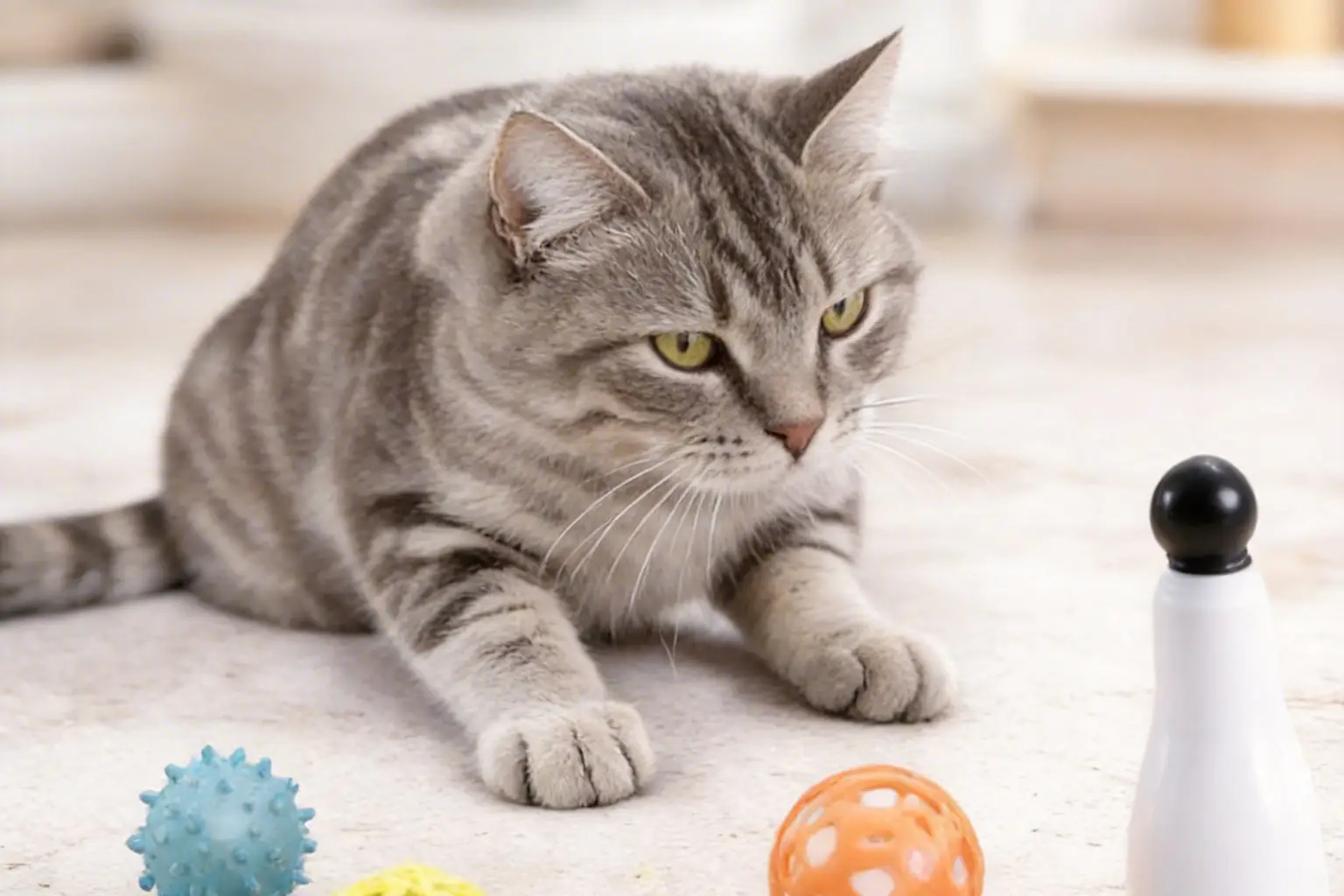


Pet owners often wonder about the safest play options for dogs. Comparing tennis ball vs rubber dog ball highlights key differences in materials and manufacturing. Dogs face risks from chewing or swallowing unsafe toys. Choosing the right ball helps protect their health and ensures safe, enjoyable playtime.
Key Takeaways
Choose rubber dog balls over tennis balls for safer play. Rubber balls use non-toxic materials and are designed to withstand chewing.
Inspect dog toys regularly for signs of wear. Replace any toy that shows cracks, tears, or other damage to prevent choking hazards.
Match the ball type to your dog’s chewing habits. Aggressive chewers need durable toys to avoid dental damage and ingestion risks.
Tennis Balls and Dogs
Tennis Ball Materials
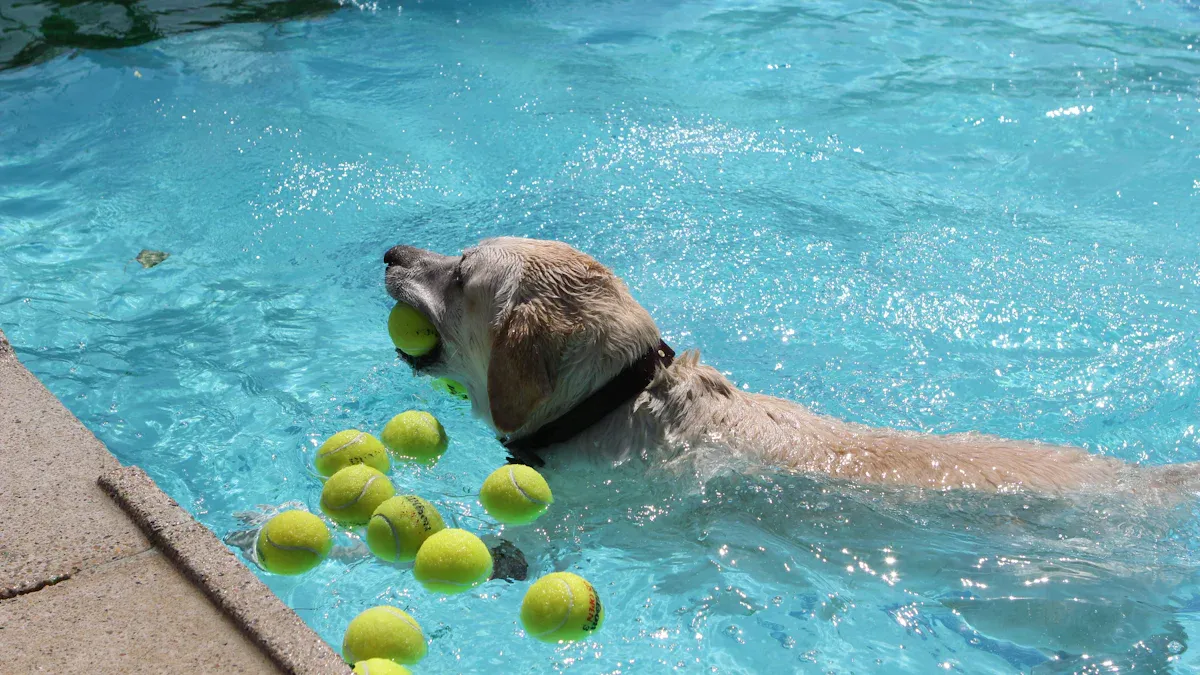
Tennis balls and dogs often go hand in hand during playtime. Manufacturers use natural or synthetic latex, vulcanized rubber, and nylon or wool felt to produce tennis balls. The felt surface feels soft but can be abrasive. Many tennis balls contain adhesives and dyes that help bind the materials together. Some tennis balls designed for pets may include harmful toxins such as arsenic, bromine, chlorine, chromium, and lead. The dangers of tennis balls become clear when considering these materials. Dogs love tennis balls, but the abrasive felt can cause dental damage. Tooth damage may occur when dogs chew on the ball, leading to enamel loss and blunting.
Toxic Dyes and Chemicals
Standard tennis balls often contain toxic chemicals and dyes.
Lead can damage organs like the nervous system and gastrointestinal tract.
Synthetic dyes, such as AZO dyes, may break down into carcinogenic compounds.
Industrial adhesives add to the overall toxicity.
Prolonged exposure to these substances can result in serious health risks for dogs, including organ damage and other long-term issues. Tennis balls and dogs should not mix if the ball contains toxic materials.
Risks for Chewers
Dogs love tennis balls, but chewing presents dangers. Tennis balls can pose choking hazards. Digestive blockages may occur if a dog swallows parts of the ball or its fuzz. Tennis balls and dogs create risks for chewers, especially when the ball breaks apart. Owners should watch for signs of dental damage and tooth damage. The dangers extend beyond choking, as tennis balls may contain harmful substances. Dogs that chew aggressively face higher risks.
Rubber Dog Ball Manufacturing
Rubber Materials Used
Manufacturers select different types of rubber to create safe and durable toys for pets.
Natural rubber stands out as the gold standard for pet toys. It offers durability, flexibility, and non-toxic properties. Many pet owners prefer it because it is biodegradable and has a long safety record. Some pets or humans may experience allergies to natural rubber.
TPR, or thermoplastic rubber, provides a synthetic alternative. It resists wear and rarely causes allergic reactions.
Silicone, another synthetic material, is safe and durable. However, it does not match the elasticity or bounce of natural rubber.
These materials help rubber balls withstand repeated play and frequent chew sessions.
Safety Standards for Dog Balls
Dog toys must meet strict safety standards to protect pets.
FDA-approved materials ensure that rubber balls are safe, even if a dog ingests small pieces.
EN 71, a European standard, checks for mechanical strength, flammability, and heavy metal content.
ASTM F963, the U.S. equivalent, sets limits on lead and mechanical hazards.
REACH compliance restricts hazardous substances in toys sold in Europe.
These standards help guarantee that rubber balls do not contain harmful chemicals.
Dog Ball Design Features
Manufacturers design rubber balls with pet safety in mind.
Some brands, like BULLYMAKE, create toys for aggressive chewers.
These balls can endure over 3500 PSI of bite pressure.
Special engineering prevents injuries during play.
Pet owners should choose rubber balls with features that match their dog’s chew habits and play style.
Tennis Ball vs Rubber Dog Ball: Safety Comparison
Chemical and Toxicity Risks
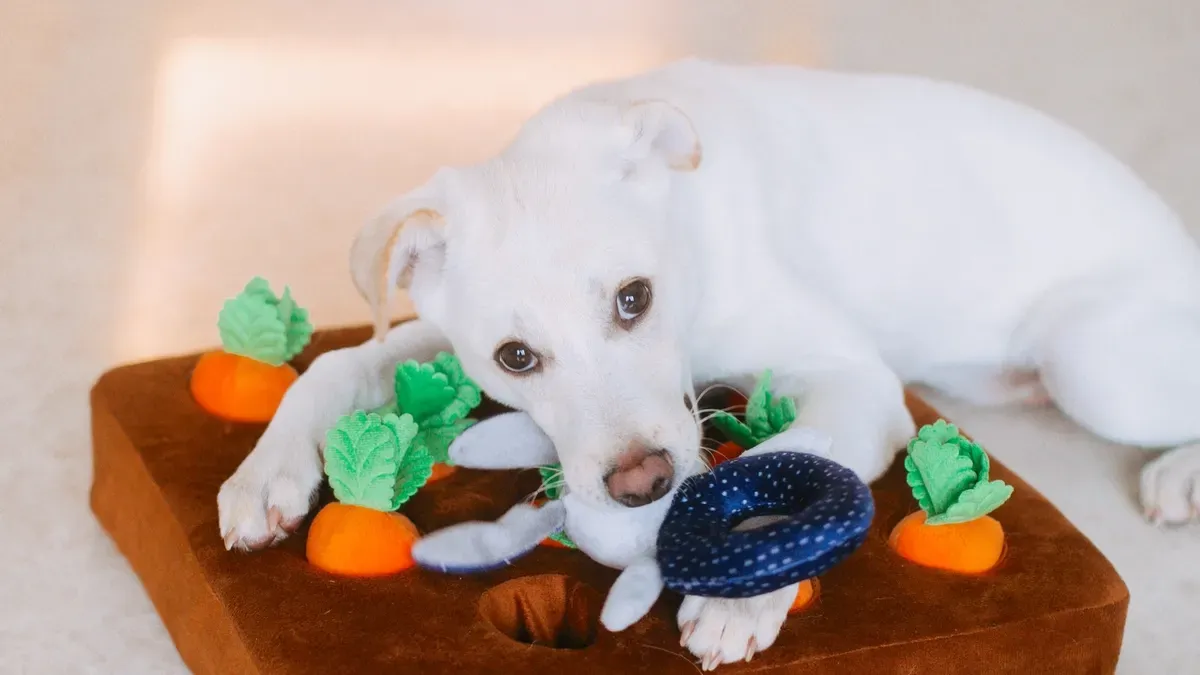
The tennis ball vs rubber dog ball debate often centers on chemical safety. Tennis balls may contain industrial adhesives, dyes, and heavy metals. These substances can pose dangers to dogs if ingested or chewed. Some tennis balls use felt and glue that break down over time, releasing harmful particles. Dogs that chew on tennis balls risk exposure to these chemicals. In contrast, rubber dog balls use non-toxic materials. Manufacturers design these toys to meet strict safety standards. They avoid harmful dyes and adhesives. This approach reduces the risk of poisoning or long-term health issues. Pet owners should always check labels and choose toys that list safe ingredients.
Durability and Chew Resistance
Durability plays a major role in the tennis ball vs rubber dog ball comparison. Tennis balls tend to wear down quickly. The felt surface can shred, and the rubber core may split. This wear creates dangers for dogs, especially those that chew aggressively. Pieces of tennis ball can break off and cause dental damage or digestive problems. Rubber dog balls, on the other hand, are built for strength. Manufacturers use tough, flexible materials that resist tearing and punctures. These balls withstand heavy chewing and rough play. Dogs can enjoy them longer without the toy breaking apart. This durability makes rubber dog balls a safer choice for most pets.
Tip: Always inspect toys after play. Replace any ball that shows signs of damage or wear.
Choking Hazards
Choking hazards remain a serious concern in the tennis ball vs rubber dog ball discussion. Tennis balls can break into small pieces. Dogs may swallow these fragments, leading to choking or a blockage in the digestive tract. The dangers increase for dogs that like to tear apart their toys. Rubber dog balls offer better protection. Their solid construction prevents small parts from breaking off. Many brands design these balls with safety features, such as larger sizes or holes that allow airflow if the ball gets stuck in a dog’s mouth. These features help reduce the risk of choking and injury.
Feature | Tennis Ball | Rubber Dog Ball |
|---|---|---|
Chemical Safety | May contain toxins | Non-toxic materials |
Durability | High chew resistance | |
Choking Hazard | High for chewers | Low with proper design |
When choosing the safest ball for your dog, consider their chewing habits and play style. Dogs that chew aggressively or destroy toys need a durable, non-toxic option. Rubber dog balls provide better protection against dangers like choking, dental damage, and chemical exposure. Tennis balls may seem fun, but their materials and construction create more risks for dogs.
Common Safety Concerns
Wear and Tear
Dog toys experience significant wear and tear during regular play. Over time, the abrasiveness of a tennis ball can wear down enamel, leading to dental issues for dogs. The outer felt layer often collects dirt and debris, which acts like sandpaper on teeth. Structural integrity concerns may arise as the ball ages, increasing the risk of choking hazards. Owners should watch for visible damage, such as cracks or pieces breaking off, since these signs indicate the toy is no longer safe.
When to Replace Dog Balls
Replacing dog toys at the right time helps prevent accidents and health problems. The following table outlines average lifespans and replacement triggers for common types of dog balls:
Toy Type | Average Lifespan | Replacement Triggers | Safety Risks |
|---|---|---|---|
Solid Rubber Toys | 6 months – 2 years | Deep teeth marks, cracks, pieces breaking off | Choking on fragments, intestinal blockage |
Hollow Plastic Toys | 3–12 months | Collapsed structure, sharp edges, missing pieces | Cuts in mouth, ingestion of small pieces |
Vinyl Toys | 1–6 months | Sticky surface, easy tearing, deterioration | Toxic material ingestion, choking hazard |
Regular inspection ensures that dogs play with safe toys and reduces the risk of injury.
Tips for Safe Play
Safe play practices protect dogs from unnecessary harm. Owners should supervise play sessions and select dog toys that match their pet’s chewing strength. Toys that show signs of wear, such as abrasiveness or structural weakness, should be replaced immediately. High arousal during play can increase the risk of accidents. Tennis balls may damage teeth or cause choking, while erratic bouncing toys can lead to injuries.
Tip: Always choose the right size and type of toy for your dog to minimize safety risks.
Choosing the Safest Ball for Your Dog
Match Ball to Pet Behavior
Selecting the right ball depends on a dog’s size and chewing habits. Owners should avoid tennis balls for play with aggressive chewers, as these can break apart easily. Instead, rubber balls offer better durability and safety. The table below helps match ball types to different breeds and behaviors:
Breed Size | Recommended Material | Notes |
|---|---|---|
Small Breeds | Small heavy-duty rubber toys | Ensure they are not too small to avoid choking hazards. |
Medium Breeds | Standard dog toys for heavy chewers | Most standard options are suitable, but check durability. |
Large & Extra-Large | Oversized, ultra-durable rubber toys | Look for thick nylon chews as well for added durability. |
Rubber chew toys work well for most dogs. These toys balance firmness and flexibility, which helps prevent tooth damage while withstanding strong jaws.
Signs of Unsafe Toys
Dog owners should inspect toys regularly for warning signs. Unsafe toys can cause health emergencies. Look for these issues:
Mold or persistent odor
Cracks or tears
Missing pieces or squeakers
Frayed rope fibers or loose stuffing
Sharp edges
Chewed-down size
If a toy shows any of these signs, remove it immediately. Dogs may swallow broken fragments, leading to choking or digestive blockages.
Final Safety Tips
Experts recommend several steps to keep dogs safe during play:
Choose the right size toy to prevent choking.
Select durable materials that match your dog’s chewing style.
Test the toy’s hardness with the kneecap tap test.
Consider toys that can hold treats for mental stimulation.
Buy toys from reputable sources.
Replace toys at the first sign of wear.
Tip: Regular supervision and timely replacement of toys help keep dogs safe and happy.
Rubber dog balls provide safer play for pets due to their non-toxic materials and durable design. Tennis balls can erode teeth and expose dogs to harmful chemicals.
The lack of safety regulations in pet toys means owners must stay alert to material safety and toxic substances.
Supervision during play helps prevent choking and injuries.
Replace damaged toys quickly to keep pets safe.
FAQ
Are tennis balls designed for pets different from regular tennis balls?
Pet tennis balls often use safer dyes and materials. Regular tennis balls may contain industrial chemicals. Always check packaging for pet-safe labeling before purchase.
Can rubber dog balls damage a dog’s teeth?
High-quality rubber balls rarely damage teeth. Soft or flexible rubber helps protect enamel. Owners should avoid very hard toys for dogs with sensitive teeth.
How often should owners replace dog balls?
Owners should inspect toys weekly. Replace any ball with cracks, missing pieces, or excessive wear. Regular replacement helps prevent choking and dental injuries.
