


Many plush toy fabric types exist, including minky, faux fur, fleece, cotton plush, polyester felt, plush flannel, super soft plush, and short plush fabric. Cotton leads the market for its comfort and hypoallergenic qualities. Material choice impacts touch, safety, and durability. Manufacturers focus on comfort, safety, and eco-friendly options.
Key Takeaways
Choosing the right plush toy fabric impacts comfort, safety, and durability. Parents should prioritize hypoallergenic materials for children’s toys.
Regular cleaning and proper care extend the life of plush toys. Hand washing and air drying are effective methods to maintain their quality.
Understanding fabric characteristics helps in selecting the best plush toy for specific needs. Consider factors like softness, durability, and intended use.
Plush toy fabric types overview
Importance of fabric choice
Selecting the right plush toy fabric types shapes the entire experience of a plush toy. The fabric determines how soft the toy feels, how long it lasts, and how safe it is for children. Parents and collectors both value toys that offer comfort and stand up to frequent hugs or display. Manufacturers consider these factors when designing toys for different age groups and uses.
The table below highlights the defining features of common plush toy fabrics:
Fabric | Typical Pile | GSM Range | Stretch Risk | Shedding | Sew Difficulty | Best For |
|---|---|---|---|---|---|---|
Minky / Velboa | 2–3.5 mm | 220–300 | Low | Very Low | Easy | Baby toys, faces, small parts |
Microfleece | 1–2 mm | 180–250 | Medium | Low | Easy | Budget plush, apparel-style toys |
Coral Fleece | 2–4 mm | 250–320 | Medium | Low–Med | Easy | Cozy plush, blankets |
Sherpa | 3–6 mm | 300–450 | Medium | Medium | Medium | Winter themes, lambs, trims |
Faux Fur (short) | 4–8 mm | 280–380 | Low–Med | Medium | Medium | Teddies, premium plush |
Faux Fur (long) | 20–60 mm | 350–500 | Low–Med | High | Challenging | Lifelike/collector plush |
Chenille/Terry | 1–3 mm | 240–340 | Med | Med | Med | Textured accents, sensory |
Key factors: texture, durability, safety
Texture, durability, and safety play a major role in choosing plush toy fabric types.
Softness gives plush toys their comforting feel and warmth.
Durability ensures toys can handle rough play and frequent washing.
Shedding and seam strength affect how long a toy stays safe and attractive.
In the U.S., ASTM F963 and CPSIA standards require plush toys to pass tests for seam strength, flammability, and chemical safety. These rules help protect children from hazards like sharp points and harmful substances.
Parents and buyers should look for toys that meet these standards. Safe materials and strong construction add peace of mind and extend the life of every plush companion.
Main plush toy fabric types
Minky
Minky stands out among plush toy fabric types for its ultra-soft, smooth texture. This fabric consists of 100% polyester microfiber, which gives it a luxurious feel. Minky resists pilling and holds its shape even after frequent use, making it a durable choice for plush toys. Many manufacturers select minky for baby toys, blankets, and accessories because it is hypoallergenic and gentle on sensitive skin. However, minky is less breathable than cotton, so it may not suit every climate or use.
Attribute | Description |
|---|---|
Texture | Ultra-soft, smooth, and plush |
Durability | High; resists pilling and retains shape |
Maintenance | Gentle wash in cold water, mild detergent, air dry or tumble dry low |
Minky fabric is machine washable and retains its softness over time, making it ideal for infants and young children. Parents should look for OEKO-TEX or baby-safe certifications to ensure safety.
Faux fur
Faux fur offers a realistic, fluffy appearance that mimics animal fur. The pile and nap of faux fur play a major role in its softness and visual appeal. Longer pile creates a cuddly, inviting feel, while the nap direction affects how the fabric looks and feels when touched. Faux fur works well for teddy bears, premium plush toys, and lifelike animal designs.
Maintenance tips:
Use a wide-toothed comb or brush to prevent matting.
Avoid high heat and direct sunlight to preserve color and texture.
Spot clean with a damp cloth and mild detergent.
For machine washing, place the toy in a pillowcase or mesh bag, use a gentle cycle, and air dry.
Proper cutting and sewing techniques help maintain the pile’s integrity, ensuring the finished toy looks and feels as intended.
Fleece
Fleece is a popular choice in plush toy fabric types due to its soft, lightweight, and insulating qualities. This fabric is easy to clean and dries quickly, which makes it suitable for toys used by young children. Fleece resists shedding and maintains its shape after repeated washing.
Key features:
Soft texture invites cuddling.
Durable enough for regular play.
Minimal shedding supports hygiene and safety.
Easy to clean and dries fast.
Regular cleaning helps plush toys made from fleece stay fresh and prolongs their lifespan.
Cotton plush
Cotton plush, especially when made from 100% organic cotton, provides a naturally soft and hypoallergenic option. This fabric is free from harmful chemicals and is naturally flame retardant, making it a safe choice for sensitive children. Cotton plush feels softer than many synthetic alternatives, but it is more prone to wear, wrinkling, and fading.
Feature | Cotton Plush | Polyester Plush |
|---|---|---|
Softness | Generally softer | Less soft |
Durability | Prone to wear and tear | Durable and resilient |
Wrinkling | Prone to wrinkling | Wrinkle-resistant |
Stain Resistance | Less resistant to stains | Naturally stain-resistant |
Color Retention | May fade over time | Retains color well |
Maintenance | Requires careful washing | Easy to maintain |
Regular washing reduces allergens like dust mites and pet dander. Freezing plush toys can also help eliminate dust mites.
Polyester felt
Polyester felt is a staple in plush toy construction. It is soft, lightweight, and easy to sew, making it ideal for beginners and for adding details like facial features or clothing. However, polyester felt lacks the stretch and fluffiness of other plush toy fabric types, which limits its use in plushies that require a more cuddly or flexible feel. It works best for flat or decorative elements rather than the main body of a plush toy.
Plush flannel
Plush flannel features a soft, fuzzy texture that enhances comfort and huggability. Its pliable nature supports intricate patterns and creative designs, making it a favorite for unique or detailed plush toys. Plush flannel is similar to short plush, offering an alternative with comparable qualities.
Soft and fuzzy texture for comfort.
Versatile for bright, clean patterns.
Limited stretch and prone to fraying.
Requires careful handling and regular cleaning.
Susceptible to pilling over time.
Feature | Plush Flannel | Other Plush Fabrics |
|---|---|---|
Texture | Soft and fuzzy | Varies (e.g., fleece is softer) |
Stretch | Limited stretch | Generally more flexible |
Durability | Prone to fraying | Often more durable |
Maintenance | Careful handling, regular cleaning | Often easier to maintain |
Pilling | Susceptible to pilling | Some are more resistant |
Super soft plush
Super soft plush, including the crystal super soft variant, is prized for its exceptional softness and luxurious feel. This fabric enhances the tactile experience, making plush toys extra cuddly and inviting. High-quality super soft plush is also safer, as inferior materials can pose health risks.
Super soft plush is machine washable and dries quickly, which simplifies maintenance. Manufacturers often use this fabric for high-end plush toys, pillows, and comfort items.
Short plush fabric
Short plush fabric has a low pile, giving it a sleek and defined appearance. This makes it ideal for plush toys that require precise features, such as mascots or small animals. Short plush is commonly used in mass production because it allows for consistent detail.
Prone to static electricity, which can attract dust or lint.
May develop pilling or fuzzy balls over time.
Texture is less soft than super soft plush, which affects comfort.
Easy to clean but may require more frequent maintenance.
Short-pile fabrics like velboa excel in designs where detail and a smooth finish are important.
Each of these plush toy fabric types offers unique benefits and challenges. Understanding their properties helps buyers and makers select the best fabric for their specific plush toy needs.
Fabric comparison
Texture and feel
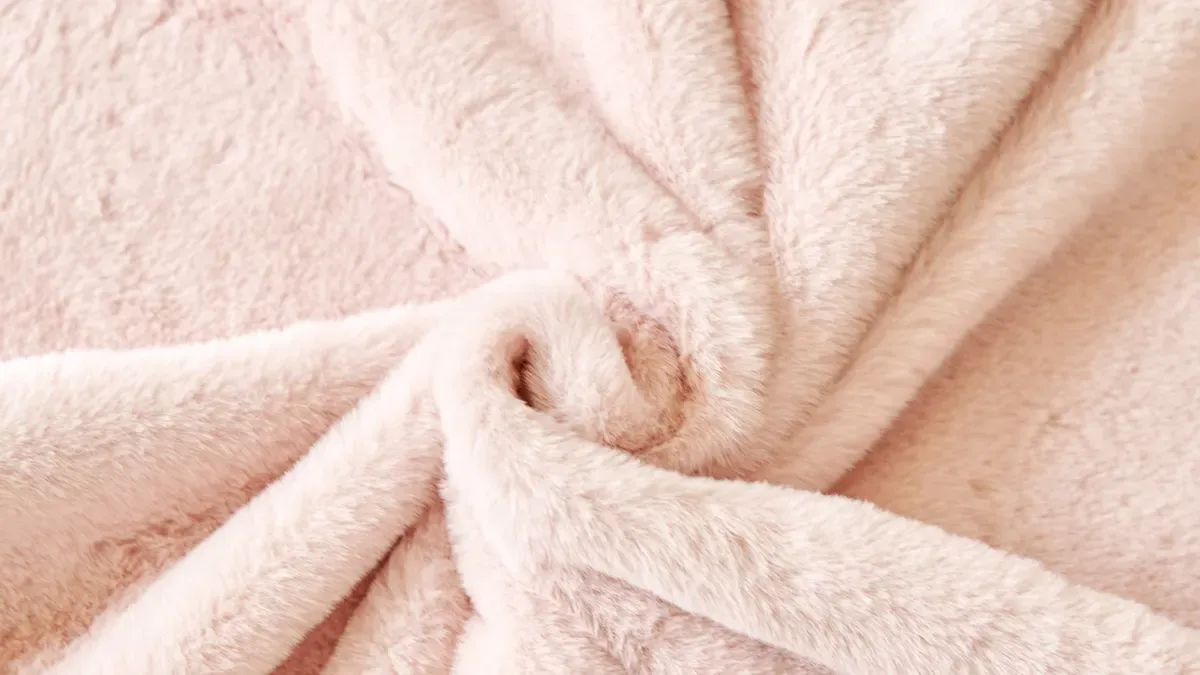
Each plush toy fabric type offers a unique tactile experience. Minky feels velvety and smooth, making it a favorite for baby toys. Faux fur provides a fluffy, realistic touch, especially in longer piles. Fleece feels soft and cozy, while cotton plush gives a gentle, natural sensation. Polyester felt feels firm and flat, best for details rather than cuddling. Plush flannel and super soft plush both deliver extra comfort, though super soft plush stands out for its luxurious feel. Short plush fabric offers a sleek, defined surface, ideal for toys with precise features.
Durability and maintenance
Durability varies among plush toy fabric types. Minky and fleece resist pilling and hold up well to frequent washing. Faux fur, especially long-pile, may shed and requires gentle care. Cotton plush can wear and fade over time, needing careful washing. Polyester felt is easy to sew but may lose shape with heavy use. Plush flannel and short plush fabric can pill or fray, so regular cleaning and gentle handling help maintain their look.
Safety and age suitability
Safety depends on both the fabric and the toy’s construction. Minky with a tricot back and embroidered features suits newborns and toddlers due to low lint and softness. Fleece and dense short pile fabrics work well for outdoor or pet toys because of their abrasion resistance. Cotton plush is hypoallergenic, making it a safe choice for sensitive children. Always check for certifications and reinforced seams to ensure safety.
Best uses
The table below summarizes expert recommendations for the best uses of each fabric:
Use Case | Recommended Fabric | Pile | GSM | Notes |
|---|---|---|---|---|
Newborn/Toddler | Minky (tricot back) | 2–3 mm | 240–300 | Low lint, embroidered features |
Budget Cozy Lines | Coral/Microfleece | 2–4 mm | 220–320 | Reinforce seams, check stretch |
Premium Teddy | Short Faux Fur | 4–8 mm | 280–360 | Great hand; mind shedding |
Lifelike/Collector | Long Faux Fur | 20–40+ mm | 350–500 | Grooming and protos essential |
Outdoor/Pet | Dense Short Pile / Fleece | 2–3 mm | 300–380 | Abrasion focus, strong seams |
Tip: Choose plush toy fabric types based on the toy’s purpose and the user’s needs. The right fabric enhances both comfort and safety.
Choosing fabric
Age and safety considerations
Selecting plush toy fabric for children requires attention to safety and age. Non-toxic materials protect young users. Organic cotton and bamboo fabrics offer eco-friendly, chemical-free options. Parents should inspect toys regularly for wear and repair them as needed. Cotton cleans easily and suits children who need frequent washing. Polyester provides durability for active play. Fleece feels soft and lightweight, making it ideal for infants and toddlers. Specialty fabrics like minky or velour enhance sensory play but may need special care. Polyester fiberfill resists mold, while natural fillings like wool work well for children with allergies.
Purpose: cuddling, display, durability
The intended use of a plush toy shapes fabric selection. The table below summarizes key considerations:
Intended Purpose | Fabric Characteristics |
|---|---|
Cuddling | Softness, hypoallergenic properties |
Display | Aesthetic appeal, texture representation |
Durability | Strong fabric blends for active play |
Soft, hypoallergenic fabrics like cotton plush suit cuddling. Display pieces benefit from visually appealing textures. Durable blends, such as polyester, withstand rough handling.
Preferences: allergies, softness, appearance
Personal needs influence fabric choice. The table below compares common options:
Fabric Type | Hypoallergenic | Softness Level | Additional Notes |
|---|---|---|---|
Cotton Plush | Yes | High | Safe for sensitive skin and allergies |
Polyester Plush | Moderate | Available in hypoallergenic variations | |
Super Soft Plush | No | Very High | Luxurious softness and texture |
Individuals with allergies often prefer cotton or hypoallergenic polyester. Those seeking maximum softness may choose super soft plush.
Practical tips
Always check care labels before cleaning.
Hand wash delicate fabrics with cold water and mild detergent.
Use mesh bags for machine washing standard plush toys.
Vacuum with a soft brush or use a lint roller to remove dust.
Air dry toys completely and rotate positions for even drying.
Indirect sunlight helps deodorize plush toys.
Regular cleaning and proper care extend the life and safety of plush toys, making them enjoyable for years.
Plush toy fabrics like minky, faux fur, fleece, cotton plush, and super soft plush each offer unique qualities. Choosing the right fabric improves enjoyment and safety.
It ensures safety compliance.
It shapes brand loyalty.
Enjoyment Factors | Safety Compliance | |
|---|---|---|
Teddy Fur | Cozy feel, high-end look | Slight shedding |
Lamb Fur | Rich texture, visual softness | Slight shedding |
Super Soft Crystal Velvet | Silky-smooth, durable, easy to maintain | Meets strict health standards |
Selecting the best fabric enhances both comfort and peace of mind.
FAQ
What is the safest fabric for baby plush toys?
Minky and organic cotton often provide the safest options. These plush toy fabric types offer softness, hypoallergenic properties, and low shedding, making them suitable for infants and toddlers.
How can someone clean plush toys without damaging the fabric?
Hand washing with mild detergent and cold water works best. Air drying helps preserve the texture of most plush toy fabric types and prevents shrinking or pilling.
Which plush toy fabric types last the longest?
Minky and fleece usually last the longest. These fabrics resist pilling and maintain their shape, even after repeated washing and frequent play.
