


A glow in dark dog ball uses phosphorescent compounds and durable materials to create its glowing effect. Veterinary studies highlight several safety factors:
Food-safe, non-toxic materials protect dogs from chronic health issues.
Non-food-safe plastics increase health risks.
Careful material selection ensures pet safety during play.
Key Takeaways
Choose glow-in-the-dark dog balls made from food-safe, non-toxic materials to ensure your pet’s safety during play.
Look for durable materials like thermoplastic rubber and food-grade silicone, which resist wear and tear while being gentle on your dog’s teeth.
Check for quality control certifications, such as ASTM F963, to guarantee that the dog balls meet safety standards and are free from harmful substances.
Glow in Dark Dog Ball Materials
Phosphorescent Compounds
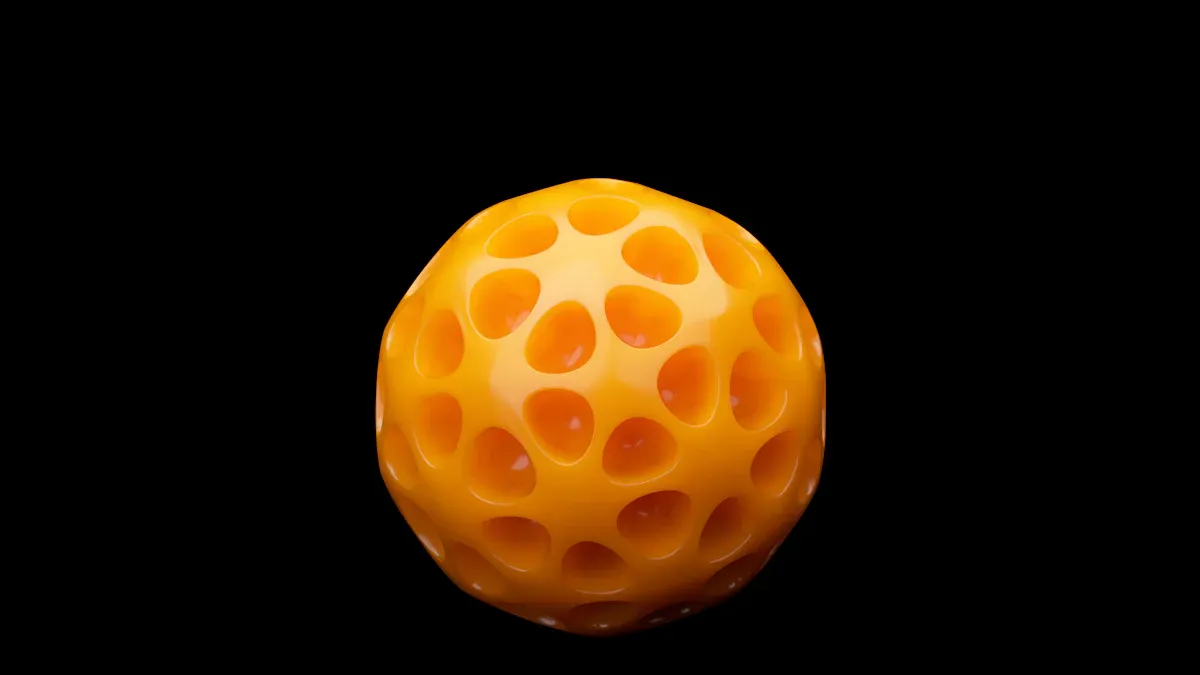
Manufacturers use special phosphorescent compounds to create the glowing effect in a glow in dark dog ball. The two most common compounds are zinc sulfide and strontium aluminate. Zinc sulfide has been used for decades in toys and novelty items. It absorbs light and then releases it slowly, producing a soft greenish glow. Strontium aluminate is a newer compound that glows much brighter and lasts longer than zinc sulfide. This material can keep a glow in dark dog ball visible for hours after exposure to light. Both compounds are stable and safe when properly embedded in the ball’s structure. The choice of compound affects how long and how brightly the ball glows, which is important for nighttime play.
TPR and Food-Grade Silicone
The base materials for a glow in dark dog ball must be tough and safe for dogs. Thermoplastic rubber (TPR) and food-grade silicone are the most popular choices. These materials offer several advantages:
Durability: Both TPR and silicone can withstand aggressive chewing without breaking down.
Flexibility: They provide a soft texture that is gentle on a dog’s teeth, making them suitable for puppies and adult dogs.
Resistance to wear and tear: These materials resist splintering and maintain their shape over time.
Non-toxicity: Food-grade silicone contains no harmful chemicals, ensuring safety for pets.
Toughness: Silicone can endure significant contact without tearing.
Moisture resistance: Silicone does not absorb water, so the ball remains safe and clean in different environments.
Independent product tests show that food-grade silicone stands out for its high tear strength and flexibility. This makes it ideal for heavy-chewer testing. Silicone can handle significant wear and tear, which is essential for dog toys. TPR also performs well under rough play and aggressive chewing. However, silicone may not match the extreme durability of high-quality natural rubber or TPR in some cases.
Safety and Non-Toxicity
Safety remains a top priority in the design of any glow in dark dog ball. Manufacturers select materials that meet strict safety standards and regulations. These standards ensure that the balls do not contain hazardous substances or excessive levels of lead. The following table summarizes key certifications and regulations that apply to these products:
Standard/Regulation | Description |
|---|---|
ASTM F963 | Addresses safety requirements for toys, including toxicology and hazardous substances. |
16 C.F.R. § 1500.3 | Prohibits hazardous substances in children’s products. |
16 C.F.R. part 1303 | Limits lead levels in paints and surface coatings for children’s products. |
15 U.S.C. § 1278a | Prohibits excessive lead levels in accessible substrates of children’s products. |
Manufacturers often use FDA-compliant, food-grade materials to further reduce risks. Many companies also focus on eco-friendly production, choosing recyclable or biodegradable materials when possible. These steps help ensure that every glow in dark dog ball is safe for pets and the environment.
Production Process
Mixing Glow Pigments
Manufacturers start by preparing the base material, such as thermoplastic rubber or food-grade silicone. They measure the phosphorescent compounds, like strontium aluminate or zinc sulfide, and blend them with the base material. This step requires precision. Workers use industrial mixers to ensure the glow pigments distribute evenly throughout the material. Uneven mixing can cause weak spots or inconsistent glow. The goal is to create a uniform compound that glows brightly and remains safe for pets.
Tip: Consistent mixing helps the glow in dark dog ball shine evenly and prevents dull patches.
Molding and Shaping
After mixing, the compound moves to the molding stage. Technicians pour the glowing material into ball-shaped molds. These molds come in various sizes to suit different breeds. The material fills the mold and takes shape under controlled temperature and pressure. Some factories use injection molding machines for speed and accuracy. The curing process follows. Workers heat or cool the molds to harden the material. This step locks the glow pigments inside the ball and gives it strength. Once cured, the balls leave the molds and move to finishing stations. Here, workers trim excess material and inspect the shape.
Steps in Molding and Shaping:
Pour mixed compound into molds.
Apply heat or cooling to cure the material.
Remove balls from molds.
Trim and finish each ball.
Quality Control
Quality control ensures every glow in dark dog ball meets safety and performance standards. Inspectors check for defects, such as cracks, uneven glow, or sharp edges. They test the balls for durability and chew resistance. Some companies use automated systems to scan for flaws. Others rely on manual inspection. The balls must pass tests for non-toxicity and compliance with regulations like ASTM F963 and FDA guidelines. Manufacturers often use proprietary glow pigments to achieve longer-lasting brightness. These pigments undergo extra testing to confirm safety and effectiveness.
Note: Quality control protects pets by preventing unsafe products from reaching the market. It also guarantees that each ball glows as promised.
Manufacturers document each step to trace batches and address any issues quickly. This process helps maintain high standards and builds trust with pet owners.
Performance and Features
Durability and Chew Resistance
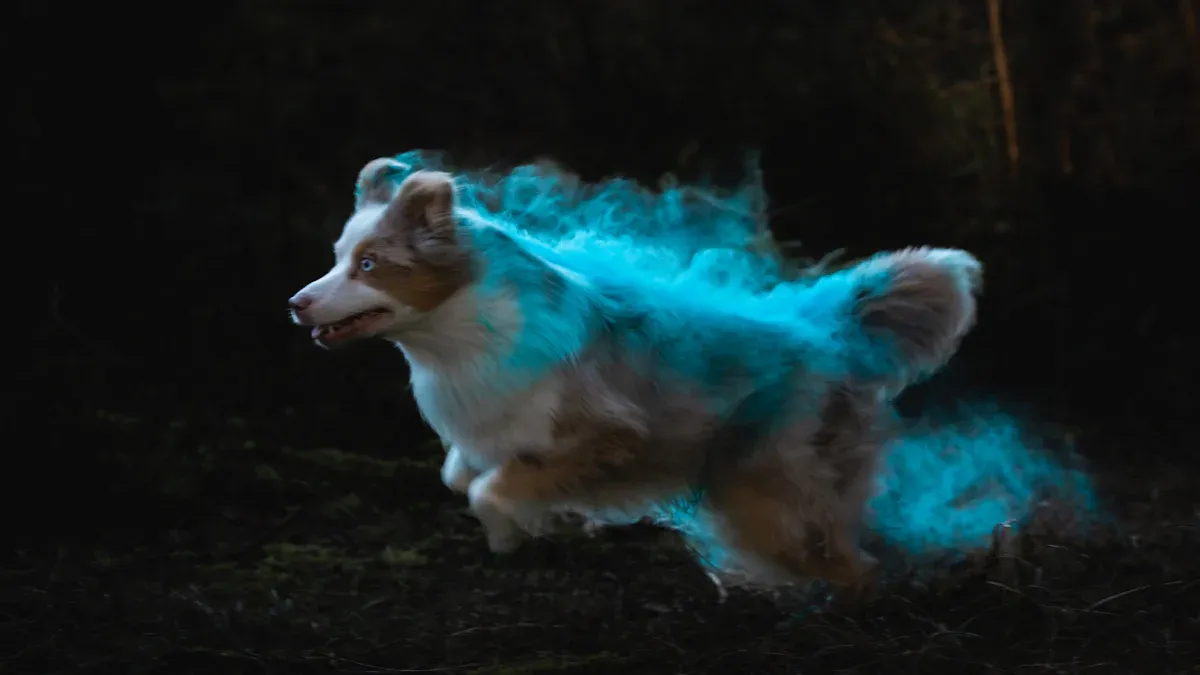
A glow in dark dog ball must withstand rough play and frequent chewing. Manufacturers design these balls with tough materials like solid rubber, TPR, or food-grade silicone. Many users report that these balls resist punctures and maintain their bounce even after months of use. The following table highlights user feedback on durability:
Description | Source |
|---|---|
Balls withstand aggressive chewing and extended use without significant wear. | |
Solid rubber balls resist punctures and keep their bounce for months. | Best Dog Ball for Fetch and Training: Durable Picks Dogs Love |
Chuckit! glow-in-the-dark ball is described as indestructible, even for strong chewers. |
Glow Duration and Recharge
Glow in dark dog balls use advanced phosphorescent compounds to provide a bright, long-lasting glow. After exposure to light, these balls can glow for a significant period. Most products recharge quickly under a bright light source. Typical glow durations include:
Glows for 5 to 30 minutes after exposure to light.
Provides 20 to 30 minutes of glow after just 5 minutes under bright light.
This feature helps owners and dogs find the ball easily during evening play.
Extra Features
Manufacturers often add special features to enhance playtime. Some glow in dark dog balls include treat dispensers, which reward dogs during fetch. Others have whistling holes that create sound when thrown, increasing excitement. Many balls float in water, making them suitable for pool or beach games. These extra features make the toy more engaging and versatile for different play environments.
Material selection and production quality shape the safety and performance of glow-in-the-dark dog balls. Brands like Spunky Pup and MU Group use durable, eco-friendly materials, which boost customer satisfaction. Eco-friendly certifications help consumers identify sustainable products. Shoppers should choose FDA-compliant, non-toxic, and environmentally responsible toys.
FAQ
How long does the glow last after charging?
Most glow-in-the-dark dog balls shine for 20 to 30 minutes after exposure to light. Owners can recharge the glow quickly using a bright lamp or sunlight.
Are glow-in-the-dark dog balls safe for puppies?
Manufacturers use food-grade, non-toxic materials. Puppies can play safely. Always supervise young dogs to prevent accidental swallowing.
Can these balls be cleaned in a dishwasher?
Many glow-in-the-dark dog balls made from silicone or TPR are dishwasher safe.
Owners should check the product label for specific cleaning instructions.
