


I see the germany pet market growing fast. Businesses need to understand buyer trends and sales channels to make smart decisions.
The market reached USD 8,529.42 million in 2024 and is set to grow at a CAGR of 4.66%.
E-commerce and premium products shape buyer behavior, with sustainability gaining importance.
Key Takeaways
The German pet market is growing rapidly, reaching over USD 8.5 billion in 2024. Businesses should focus on understanding buyer trends to capitalize on this growth.
E-commerce is a key sales channel, with online pet product sales increasing by nearly 15% in 2024. Companies must enhance their online presence to meet consumer demand for convenience.
Sustainability is becoming crucial for pet owners. Brands that offer eco-friendly products and transparent sourcing will attract more customers.
Germany Pet Market Overview
Market Size and Growth
I see the germany pet market showing steady growth. In 2024, the market reached USD 8,529.42 million. Germans spent more than €7 billion ($8.1B) on their pets this year. I notice a consistent growth rate of 4.66% each year. This growth reflects strong demand for pet products and services. Many businesses want to enter this market because pet owners continue to invest in their animals. I believe understanding this growth helps companies plan their strategies and predict future trends.
The germany pet market has matured, but growth remains strong. I see new opportunities for brands that focus on quality and innovation.
Pet Ownership and Leading Pet Types
I observe that pet ownership rates in germany remain high. About 45% of households own pets. There are around 34.3 million pets living in the country. I find that cats lead as the most popular pet, followed by dogs. The table below shows the numbers for cats and dogs in 2020:
Year | Cats (millions) | Dogs (millions) |
|---|---|---|
2020 | 15 | 10 |
During the pandemic, many people adopted pets, which caused a pet boom. As the situation improved, some animals ended up in shelters. I think this trend shows how social changes can affect pet ownership and market growth. Businesses must understand these shifts to succeed in the germany pet market.
Key Sales Channels in the German Pet Industry
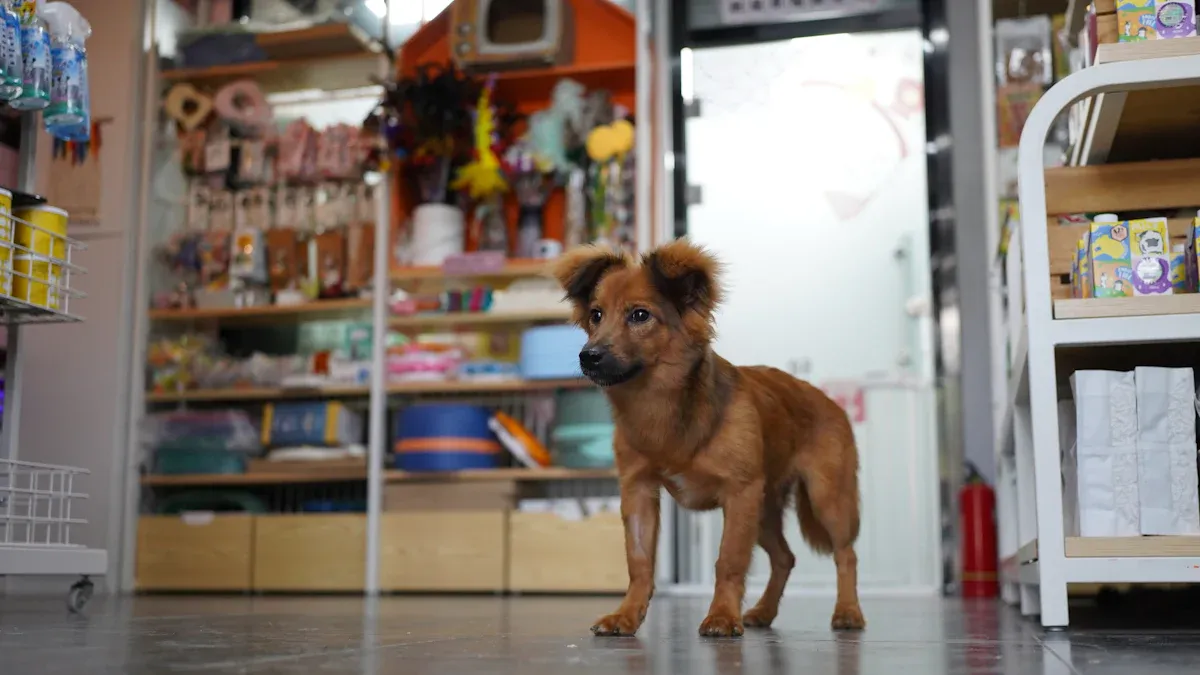
Understanding the main sales channels helps me see how pet owners in Germany shop for their animals. Each channel has its own strengths and attracts different types of buyers. I want to break down the most important channels and show how they shape the german pet industry.
Supermarkets and Grocery Stores
Supermarkets and grocery stores play a big role in the pet industry. I notice that grocery retailers have outperformed pet shops in the pet food segment. Pet shops saw a 2% decline in market share for pet food. Many shoppers like the convenience of buying pet food while doing their regular grocery shopping. Supermarkets offer a wide range of products, often at competitive prices. I see that these stores continue to attract busy pet owners who want to save time.
Tip: Supermarkets often use promotions and loyalty programs to keep pet owners coming back.
Specialty Pet Stores
Specialty pet stores remain a favorite for many pet owners. I find that two-thirds of pet owners visited specialty pet retailers in the last three months. Among those who prefer shopping offline, 63% choose specialist stores as their main retail channel. These stores offer expert advice, a wide selection of products, and a personal touch. In 2025, pet specialty stores are projected to hold a strong revenue share of 28.45%. I see that specialist retailers also account for 73% of online sales in the last three months, showing their strong presence both in-store and online.
Some leading brands in this space include Fressnapf and Das Futterhaus. Fressnapf, for example, operates over 1,900 stores and uses an omnichannel strategy that combines physical stores with a strong digital presence. This approach helps them reach more customers and adapt to changing shopping habits.
Online Platforms and E-commerce
Online sales have grown rapidly in the german pet industry. I see that online sales of pet products in Germany increased by nearly 15% in 2024, reaching €1.5 billion ($1.7B). Since 2022, online channels for pet products have expanded by about 26%. This growth shows that more pet owners enjoy the convenience of shopping from home and having products delivered to their door.
Here is a table showing the leading brands in the online pet product market:
Brand | Market Share (%) |
|---|---|
Mars Incorporated | 24 |
Nestlé Purina | 21 |
Fressnapf/Maxi Zoo | 17 |
Colgate-Palmolive (Hill’s) | 16 |
Zooplus SE (leading online) | N/A |
Zooplus stands out as a top online retailer, while Fressnapf and Das Futterhaus also have strong online platforms. I notice that major players include both global giants and strong regional retailers. The rise of online sales has changed how people shop for pet products, making it easier to compare prices and find special items.
Veterinary Clinics and Other Channels
Veterinary clinics and other channels, such as garden centers and drugstores, also play a part in the pet industry. Many pet owners trust their vets for advice and buy special diets or health products during visits. These channels may not have the largest market share, but they offer unique products and services that supermarkets and online stores do not provide.
The Rise of Omnichannel Strategies
I see a clear trend toward omnichannel strategies in the german pet industry. Retailers like Rewe have expanded their Zoo Royal brand into physical stores, increasing competition with leaders like Zooplus and Fressnapf. Nestlé Purina has also adopted an omnichannel approach to boost its GOURMET brand, aiming to reach cat owners through both online and offline channels. The shift to online sales, driven by the convenience of home delivery and competitive pricing, became even stronger during the COVID-19 pandemic. Fressnapf’s focus on combining physical stores with a robust digital presence shows how important it is to integrate different shopping channels.
Note: Omnichannel strategies help retailers meet customers wherever they prefer to shop, making it easier to build loyalty and increase sales.
I believe that understanding these key sales channels and the move toward omnichannel approaches is essential for anyone looking to succeed in the pet industry in Germany.
German Pet Food Sales and Product Trends
Spending Patterns and Product Categories
I see german pet food sales growing each year. In 2024, people in Germany spent over €7 billion on their pets. The pet food market alone reached about USD 2.53 billion. Pet owners spend most of their money on food, treats, and special diets. I notice that dry food is the largest segment because it is easy to store and lasts a long time. Wet food is also popular, especially for cats. Treats and snacks are the fastest-growing category. Many owners buy specialized or veterinary diets for pets with health needs. The table below shows the main product types:
Product Type | Description |
|---|---|
Dry pet food | Largest segment due to convenience and shelf life |
Wet pet food | Popular among pet owners |
Pet treats and snacks | Fastest-growing category |
Specialized or veterinary diets | Targeted for specific health needs |
Dog food | Significant market share |
Cat food | Holds a large share due to high cat population |
Food for other pets | Includes food for various other pet types |
Premiumization and Private Labels
I see more people choosing premium food for their pets. The premium pet food market is now worth about €4.3 billion. Brands like Mars, Nestlé Purina, and Fressnapf lead the market. Fressnapf has strong private labels, with nearly 80% of its sales coming from its own brands. Zooplus also offers private label food. Discount stores like Aldi and Lidl sell “super-premium” private label food at lower prices. Many owners want food with better ingredients and health benefits.
Company/Group | Est. Market Share | Key Strengths |
|---|---|---|
Mars Incorporated | ~24% | Leader in wet food (Pedigree, Whiskas, Sheba) |
Nestlé Purina | ~21% | Science-based nutrition, vet endorsements |
Fressnapf/Maxi Zoo | ~17% | Omnichannel, strong private labels |
Colgate-Palmolive | ~16% | Therapeutic and prescription diets |
Zooplus SE | Leading online | E-commerce specialist |
Health, Wellness, and Sustainability Trends
I notice that health and wellness matter more to pet owners. Many choose food that is natural, organic, or free from additives. Owners look for food that helps with special diets, allergies, or health problems. Products with probiotics, omega-3, and other nutrients are in demand. Sustainability is also important. People want food with eco-friendly packaging and responsibly sourced proteins. Brands use recyclable materials and local ingredients. Germany leads in eco-friendly pet products. About 73% of pet owners care about the environmental impact of their purchases. I see companies using technology to show where ingredients come from and how food is made.
Tip: Choosing food with clear labels and sustainable packaging can help both pets and the planet.
Buyer Trends in the Germany Pet Market

Evolving Preferences and Digital Adoption
I see that buyer preferences in the germany pet market are changing quickly. Many consumers now prefer to shop online for pet products. E-commerce has become a main channel for pet owners who want convenience and flexibility. I notice that subscription-based models are gaining popularity. These models let consumers receive regular deliveries of pet food and supplies without having to reorder each time. This trend saves time and helps pet owners avoid running out of essentials.
Social media also plays a big role in shaping how consumers discover new products. Platforms like TikTok have become important for product discovery. I see many consumers watching videos and reviews before making a purchase. Social media influences what people buy and where they shop. Digital engagement is now a key factor in the germany pet market. I believe that brands need to connect with consumers online to stay competitive.
Shifts in Purchasing Behavior
I observe several shifts in how consumers buy pet products in the germany pet market. These changes reflect new habits and preferences among pet owners:
Many consumers choose to groom their pets at home. About 34% prefer at-home grooming, while 15% regularly use professional groomers.
Specialty pet stores remain popular. I see that 30% of pet owners prefer shopping at these stores because they offer a curated selection of products.
Product range matters to consumers. Around 22% select pet food based on the variety available at specialty chains.
Trust in retailer recommendations is growing. About 12% of consumers rely on advice from store staff when choosing products.
I notice that consumers in the germany pet market value both convenience and expertise. They want easy access to products but also appreciate guidance from knowledgeable staff. These trends show that the pet industry must adapt to meet the changing needs of consumers. I believe that understanding these shifts helps businesses create better shopping experiences and build stronger relationships with their customers.
Implications for Businesses and Importers
Channel Strategy and Market Entry
I see that entering the germany pet market requires a clear channel strategy. I recommend these steps for businesses and importers:
Study local pet ownership trends and consumer preferences.
Build partnerships with local distributors and retailers.
Adjust products and marketing to fit cultural expectations.
Meet all regulatory requirements for pet products.
Use e-commerce and digital marketing to reach more buyers.
I notice that importers face challenges such as fluctuating ingredient costs, strict regulations, and high competition. Navigating certification processes and labeling rules can be complex. I believe that understanding these hurdles helps businesses plan better and avoid costly mistakes.
Product Positioning and Differentiation
I find that successful brands focus on premium ingredients and health-focused recipes. Many pet owners want grain-free, hypoallergenic, and functional snacks. Treats with omega fatty acids and probiotics are popular. Sustainability matters, so brands use recyclable packaging and source ingredients responsibly. Partnerships with veterinary clinics and nutritionists help endorse clinical nutrition products.
Brands stand out by:
Creating unique philosophies about pet health.
Using digital marketing and influencer campaigns.
Personalizing offers with loyalty data and AI.
Managing costs and optimizing supply chains.
Offering promotions to attract price-sensitive buyers.
Responding to Consumer Trends
I see younger pet owners prioritizing welfare and sustainability. Many choose plant-based cat litter and regional products. Demand for alternative proteins and health supplements is rising. Digital services like telemedicine and nutritional advice are gaining popularity.
The humanization of pets drives demand for raw, grain-free, and insect protein products. Premium foods and sustainable packaging are shaping the market.
Trend | Description |
|---|---|
Humanization of Pets | Pets are treated as family, leading to new diets and product innovations. |
Premium and Functional Foods | Foods address health issues like digestion and joint health. |
Sustainable Packaging | Brands develop recyclable and resource-saving packaging solutions. |
I believe that adapting quickly to these trends helps businesses stay competitive.
I see offline and online channels as vital for reaching pet owners in Germany. The market grows fast, with pet ownership rising and sustainability driving demand.
Sales Channel Type | Description |
|---|---|
Offline | Supermarkets, Specialty Stores |
Online | E-commerce platforms |
I recommend adapting quickly and embracing digital trends to capture new opportunities.
FAQ
What are the most popular pet sales channels in Germany?
I see supermarkets, specialty pet stores, and online platforms as the top choices. Many pet owners use both offline and online channels for convenience.
How do German pet owners choose products?
I notice that pet owners look for quality, health benefits, and sustainability. Many trust retailer recommendations and compare products online before buying.
Are premium pet foods in high demand?
Yes, I find that premium and functional foods are growing fast. Many owners want natural ingredients, health-focused recipes, and eco-friendly packaging.
