



When I compare ecommerce vs brick mortar pet distribution, I see e-commerce taking the lead for growth and convenience. Recent data shows how the online pet market nearly quadrupled since 2013:
Metric | Value |
|---|---|
Growth rate for online pet shopping | 9.4% |
Current e-commerce market share | 13% |
Retail store buying trend | Slow |
“Online retailers offer similar products at greater convenience and competitive prices,” making cost and customer trust top priorities for me.
Key Takeaways
E-commerce offers convenience and a wider product range, making it a preferred choice for many pet owners.
Brick-and-mortar stores build trust through personal interaction and hands-on product experiences, which online shopping cannot fully replicate.
Combining online and physical store strategies can enhance customer loyalty and meet diverse shopping preferences.
Ecommerce vs Brick Mortar Pet: Strategy Overview
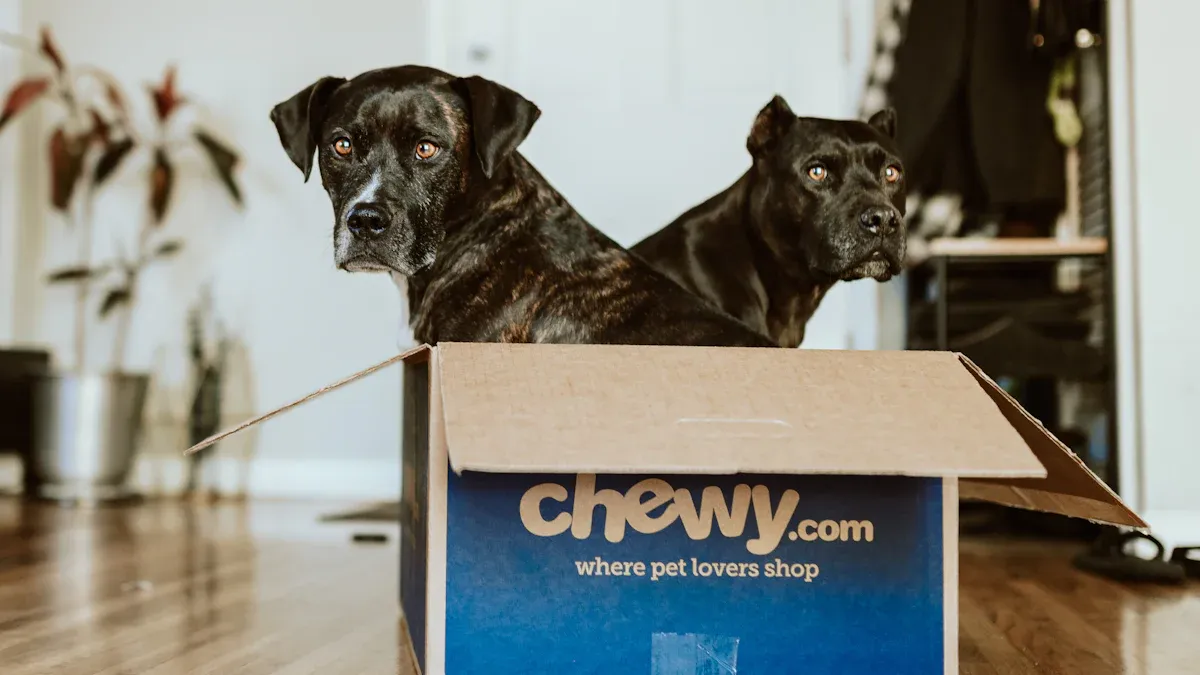
E-Commerce Model Explained
When I look at the e-commerce model, I see a system built for speed and convenience. Online pet retailers use technology to manage inventory, process orders, and reach customers across the country. I notice that efficient order fulfillment stands out, with a mis-pick rate as low as 0.0036%. This accuracy boosts customer satisfaction and drives e-commerce sales. Online stores offer a wide range of products, making it easy for shoppers to compare options and find what they need. I often see advanced software with over 67 integrations, which helps streamline operations and improve marketing efforts.
Here’s a quick look at the key aspects of e-commerce pet distribution:
Key Aspect | Description |
|---|---|
Efficient Order Fulfillment | High accuracy and speed in processing orders |
Tech-Savvy Approach | Advanced software and platform integration |
Inventory Management | Real-time tracking and data-driven decisions |
Online retailers also focus on customized packing for fragile or bulky items. They connect with major online marketplaces, which expands their reach and supports marketing campaigns. However, I know that poor inventory management or rising transportation costs can hurt service quality.
Brick-and-Mortar Model Explained
Brick-and-mortar stores create a different experience. I see customers walking in, touching products, and talking to staff. This direct engagement builds trust and loyalty. Physical stores often generate more revenue, but they face higher operating costs. I find that these stores allow customers to observe and interact with products, which online retail cannot fully match.
Brick-and-mortar pet stores use their locations as strategic assets. Many now blend online and offline experiences, letting customers research products online before visiting the store. Some stores act as micro-fulfillment centers, shipping orders quickly and lowering logistics costs. Technology also plays a big role, improving both customer service and marketing.
I believe that both models have unique strengths. The choice between ecommerce vs brick mortar pet distribution depends on your business goals and how you want to connect with your customers.
Effectiveness: Ecommerce vs Brick Mortar Pet
Performance Metrics
When I measure the effectiveness of ecommerce vs brick mortar pet distribution, I rely on several key metrics. These metrics help me understand which strategies deliver the best results for profitability and roi. I track monthly data for online retail to see which brands and banners grow fastest. This analysis shows me which competitors pose the biggest threat and where I need to focus my marketing efforts.
I compare e-commerce performance to traditional retail measurement services. This comparison reveals which brands are more competitive in each channel. I use these insights to tailor my sales and marketing strategies for both online and physical stores. I also pay close attention to consumer decision-making. I look at how customers prepare for shopping trips, their browsing habits, and their research before making a purchase. These behaviors influence both online and brick-and-mortar sales.
I use panel surveys and omnichannel shopper fundamentals to understand shopper motivations and barriers. These tools help me evaluate the effectiveness of e-commerce versus brick-and-mortar stores. I focus on metrics like customer lifetime value, profit margins, gross margin, and operating costs. I also track organic traffic and order fulfillment accuracy. These metrics give me a clear picture of how each channel performs.
Monthly online data analysis highlights leading brands and banners.
Comparing e-commerce and retail measurement services helps tailor marketing strategies.
Insights into consumer decision-making influence both online and offline shopping experience.
Panel surveys and omnichannel fundamentals reveal shopper motivations and purchase influencers.
Metrics like customer lifetime value, profit margins, gross margin, and operating costs show channel effectiveness.
Tracking organic traffic and order fulfillment accuracy improves fulfillment and marketing costs.
Real-World Impact
I see real-world examples that show how e-commerce strategies affect brick-and-mortar sales and vice versa. Online marketing tools like exit-intent pop-ups offering discounts reduce cart abandonment and boost online sales. In-store pickup messaging with incentives increases store visits and grooming appointments. Geo-fenced ads for local promotions drive event attendance and related sales.
Example | Strategy Description | Impact |
|---|---|---|
Example 1 | Exit-intent pop-ups offering discounts | 20% drop in cart abandonment, 15% boost in online sales |
Example 2 | In-store pickup messaging with incentives | 25% increase in store visits, 10% increase in grooming appointments |
Example 3 | Geo-fenced ads for local promotions | 30% increase in event attendance, 12% boost in related sales |
I notice that brick-and-mortar stores adapt by enhancing the shopping experience. They integrate digital and physical services, similar to how Best Buy became a service-led omnichannel business. The focus shifts from price competition to expertise, service, and trust. Physical stores become more than just places to buy products. They offer advice, support, and unique experiences that online channels cannot fully match.
Brick-and-mortar stores evolve by improving customer experiences.
They integrate digital and physical services to create an omnichannel approach.
The focus moves from price to expertise, service, and trust.
Physical stores offer advice and support, making them valuable for customers.
I believe that the effectiveness of ecommerce vs brick mortar pet distribution depends on how well each channel adapts to changing customer needs. Online strategies can boost sales and reduce operating costs, but brick-and-mortar stores build trust and loyalty through personal interaction. Combining both channels creates a stronger business and improves lifetime value for customers.
Cost Comparison
Startup and Operating Costs
When I compare ecommerce vs brick mortar pet distribution, I see big differences in startup and operating costs. Online retail usually requires less money to get started. I can launch an e-commerce store with a website, payment system, and shipping setup. Physical stores need a location, furniture, and staff. Brick-and-mortar stores face higher fixed costs because they pay rent, utilities, and salaries. Online businesses avoid these expenses and can scale faster. I notice that online stores spend more on technology and logistics, but they save on overhead. Physical stores must invest in security, cleaning, and maintenance. These costs add up quickly.
Cost Type | E-Commerce | Brick-and-Mortar Stores |
|---|---|---|
Rent/Utilities | Low | High |
Staff Salaries | Low | High |
Technology | High | Medium |
Inventory Space | Low | High |
I find that choosing between online and physical stores depends on my budget and growth plans.
Marketing and Inventory Expenses
Online businesses spend more on digital marketing. I use ads, social media, and email campaigns to reach customers. Brick-and-mortar stores focus on local marketing to attract people nearby. Marketing costs for online stores can be lower because I target specific groups and track results. Physical stores must use flyers, events, and local ads, which cost more and reach fewer people.
Online operations often use just-in-time inventory systems. I keep less stock and reduce holding costs. Brick-and-mortar stores need larger inventories to meet immediate customer demand. This means higher expenses for storage and risk of unsold products. I see that online retail lets me adjust inventory quickly based on sales data. Physical stores must plan ahead and manage space carefully.
I believe that understanding marketing and inventory expenses helps me make smarter decisions for my pet business.
Customer Preferences and Trust

Online Shopping Trends
I notice that more pet owners now prefer to shop online. Many people want convenience and cost savings, so they turn to online retail for pet products. I see that subscription services are becoming popular, making it easy for pet parents to get supplies delivered on a regular schedule. This trend shows that people want to save time and avoid running out of essentials.
The pet industry is moving toward online shopping, while traditional in-store sales are dropping.
Online sales now drive most of the growth in pet care.
Many pet owners use both online and in-store options, with 79% of spending coming from these omnichannel shoppers.
Subscription services are closing the gap with one-time online purchases, showing a shift in buying habits.
Direct to Consumer sales are rising because people want personalized experiences and convenience.
Millennials now make up the largest group of pet owners. I see that they use digital channels and social media to find the best deals and products. They care about health, wellness, and eco-friendly choices for their pets. Brands that connect with them online gain a big advantage.
In-Store Experience
When I visit physical stores, I see how the shopping experience builds trust. Customers enjoy talking to staff and seeing products up close. Brick-and-mortar stores create a sense of community and offer advice that online channels cannot match. Loyalty programs and special events make people want to return.
Customers like brands that share their values, which helps form strong emotional bonds.
Well-designed loyalty programs invite shoppers into a community and encourage repeat visits.
E-commerce Preference | Brick-and-Mortar Preference | |
|---|---|---|
Age | Younger consumers | Older consumers |
Store Reputation | Key indicator of quality | Valued for interaction |
Convenience | High priority | Often nearest supermarket |
I believe that the choice between ecommerce vs brick mortar pet distribution depends on what customers value most. Some want the speed and ease of e-commerce, while others trust the personal touch of brick-and-mortar stores. A strong marketing plan should address both online and in-store needs to build lasting loyalty.
Market Trends and Adaptation
Omni-Channel Approaches
I see a clear shift from brick-and-mortar stores to online platforms in pet distribution. Younger generations, especially Millennials and Gen Z, drive this change. They prefer online shopping because it offers convenience and a wider selection. E-commerce brands gain market share by providing unique products and building strong customer relationships. Traditional retailers now adapt by blending physical stores with online channels. I notice that omni-channel strategies help businesses meet customer needs at every stage.
A seamless omni-channel experience is essential for success.
Consistent product availability and up-to-date information across all channels build trust.
Each channel plays a unique role in the customer journey, increasing engagement.
Omni-channel approaches allow me to connect with customers both online and in-store. I use marketing tools to keep information current and make shopping easy. This strategy helps me reach more customers and improve loyalty.
Technology Integration
I see technology changing pet distribution every day. New innovations make operations smoother and improve customer experience. Tech-enabled pet products, like microchip-scanning feeders and health monitoring tools, help pet owners care for their animals. Electronic collars and treat dispensers simplify daily routines. AI-driven tools, such as smart checkout and inventory systems, streamline my business.
Innovation Type | Description |
|---|---|
Tech-Enabled Pet Products | Microchip-scanning feeders and health monitoring tools enhance pet care. |
Electronic Enhancements in Supplies | Electronic collars and treat dispensers improve user experience. |
AI-Driven Tools | Smart checkout and inventory systems make operations efficient. |
Expanding online operations helps me future-proof my business. Online sales of pet food keep rising, which supports industry growth. Consumers now prefer organic products, changing market dynamics. Automation in distribution assists workers and handles more shipping volume.
Trend | Description |
|---|---|
Growth in Online Sales | Online sales of pet food continue to climb, boosting industry growth. |
Consumer Preferences | More consumers choose organic products, shaping the market. |
Automation in Distribution | Automation improves efficiency and manages higher shipping volumes. |
I believe that adapting to omni-channel and technology trends prepares my business for the future. I stay competitive by expanding online and using new tools to meet customer expectations.
Pros and Cons: Ecommerce vs Brick Mortar Pet
E-Commerce Advantages & Challenges
When I look at ecommerce vs brick mortar pet strategies, I see many benefits in the e-commerce model. Online stores let me reach more customers without opening new locations. I can personalize service, which helps me compete with larger retailers. Managing inventory becomes easier because I can track stock online and in physical stores at the same time. Customers enjoy easy reordering for pet supplies, which builds loyalty. I also find that e-commerce helps me handle shipping restrictions and local laws better.
Advantage/Challenge | Description |
|---|---|
Adapt to Shipping Challenges | E-commerce helps me manage fulfillment and shipping rules. |
Easy Reordering | Customers can quickly reorder pet products online. |
Compete with Big Retailers | Personal service attracts customers from larger stores. |
Expand Reach | I can serve more people without new physical stores. |
Simplified Inventory | Online tools reduce errors and improve the customer experience. |
However, I face challenges. I must manage customer expectations for delivery times. Competing with big retailers on price and selection is tough. I also need to keep marketing costs under control.
Brick-and-Mortar Strengths & Weaknesses
Physical stores offer strengths that online channels cannot match. I see high visibility in busy neighborhoods, which builds brand recognition. Customers trust my staff and enjoy seeing products in person. Large investments in brick-and-mortar stores create barriers for new competitors.
Strengths | Weaknesses |
|---|---|
High visibility in affluent neighborhoods | Direct competition from other facilities |
Builds brand recognition | Real estate risk from long-term leases |
Barriers to entry for competitors | Locked into locations if the market shifts |
Still, brick-and-mortar stores come with risks. I face direct competition from nearby stores. Long-term leases can hurt my business if the market changes. I must balance these factors when choosing between online and physical stores for pet distribution.
Choosing Your Pet Distribution Strategy
Key Factors to Consider
When I choose between e-commerce and brick-and-mortar stores for pet distribution, I look at several important factors. I want my business to stand out, so I focus on more than just price. Here are some key points I always consider:
I offer unique services, like nutrition counseling or DIY dog washes, to set my business apart from the competition.
I work hard to build customer loyalty. Sending special “Go Bags” to my top customers helps me increase customer lifetime value.
I keep my online presence simple and user-friendly. A clear website with essential features makes online shopping easy and boosts e-commerce sales.
I pay attention to instant availability in physical stores, which can attract customers who need products right away.
I track retail trends and organic traffic to see how my marketing and advertising efforts perform in both online and physical stores.
I monitor order fulfillment and make sure my online retail operations run smoothly.
I believe that focusing on these factors helps me create a strong business, whether I choose online or brick-and-mortar distribution.
Actionable Steps
To pick the best strategy for my pet business, I follow a clear process:
I research my audience and competition to understand local demand and see how other pet treat makers operate.
I check how many local households have pets. This helps me estimate the market size for my products.
I analyze the average income in my area to see how much people might spend on pet treats.
I find out if my target customers live in rural or urban areas. This helps me decide if online or physical stores will work better.
I look at the pricing and presence of other pet treat makers to position my products and manage marketing costs.
By following these steps, I can choose the right mix of online and physical stores. I use online marketing to reach new customers and rely on strong fulfillment to keep them coming back. I always review my strategy to keep up with changing retail trends and maximize lifetime value.
I learned that e-commerce works well for growth and convenience, while brick-and-mortar builds trust. To assess my distribution needs, I follow these steps:
Evaluate customer preferences.
Assess competitors.
Analyze economic factors.
Use online tools.
Monitor strategies.
I adapt to future online trends.
FAQ
What is the biggest advantage of e-commerce for pet businesses?
I find that e-commerce lets me reach more customers and grow my business faster. I can sell products nationwide without opening new stores.
How do brick-and-mortar stores build customer trust?
I see that face-to-face service and hands-on product experience help me earn trust. Customers value personal advice and enjoy visiting my store.
Can I use both e-commerce and physical stores together?
Yes! I combine both to offer more options. This approach helps me meet different customer needs and increase my sales.
