
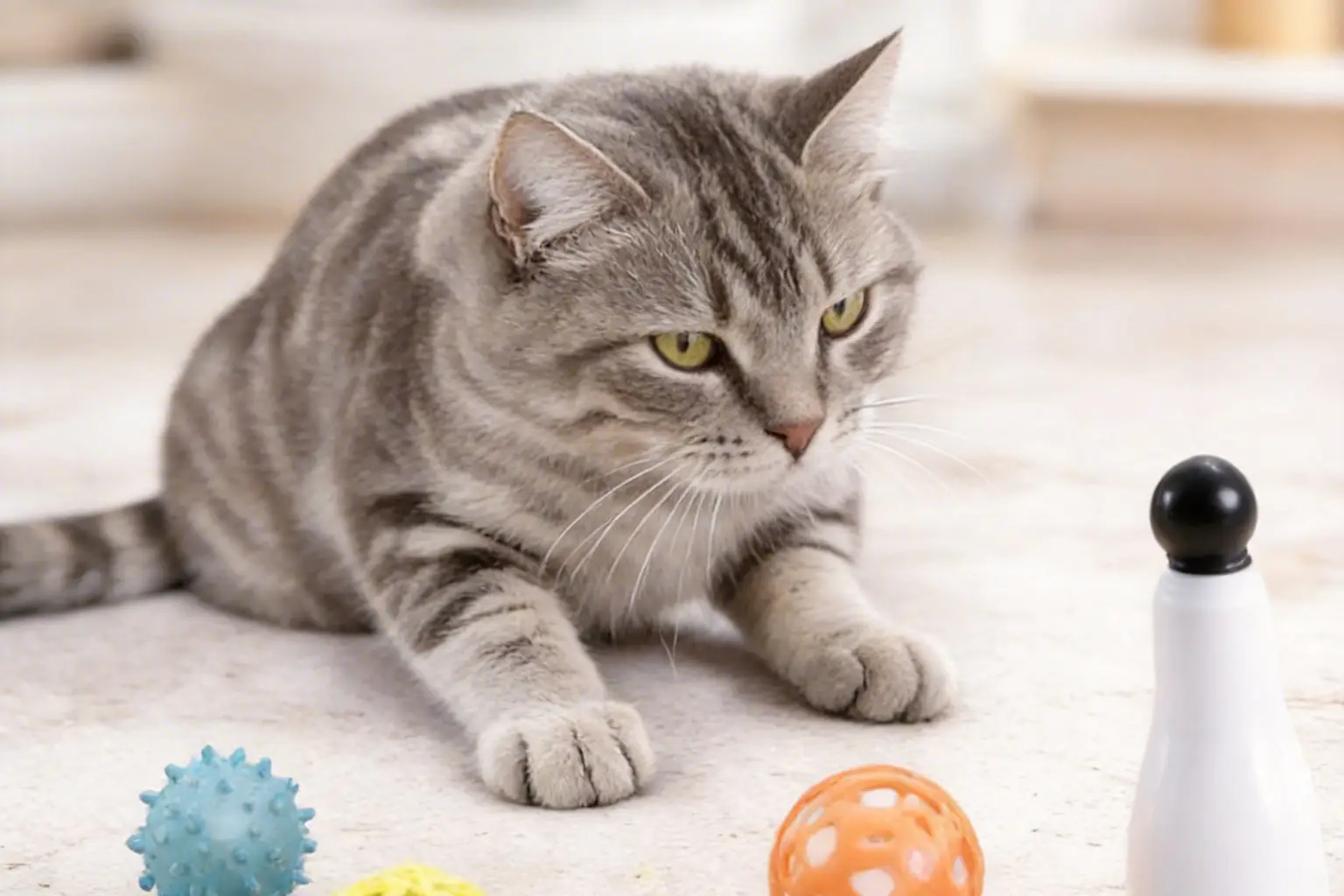


I love seeing how a dog puzzle toy manufacturer can make playtime more exciting for pups. Many new toys now let me change the challenge as my dog learns. The My Intelligent Pets – Pyramid toy, for example, offers adjustable levels, so my dog never gets bored or frustrated.
Key Takeaways
Adjustable puzzle toys keep dogs mentally stimulated, helping to slow aging and prevent cognitive decline.
Customizable difficulty levels allow you to match the challenge to your dog’s skills, ensuring they stay engaged and happy.
Puzzle toys reduce boredom and destructive behaviors by providing a fun and rewarding way for dogs to focus their energy.
Mental Stimulation for Dogs
Why Mental Challenges Matter
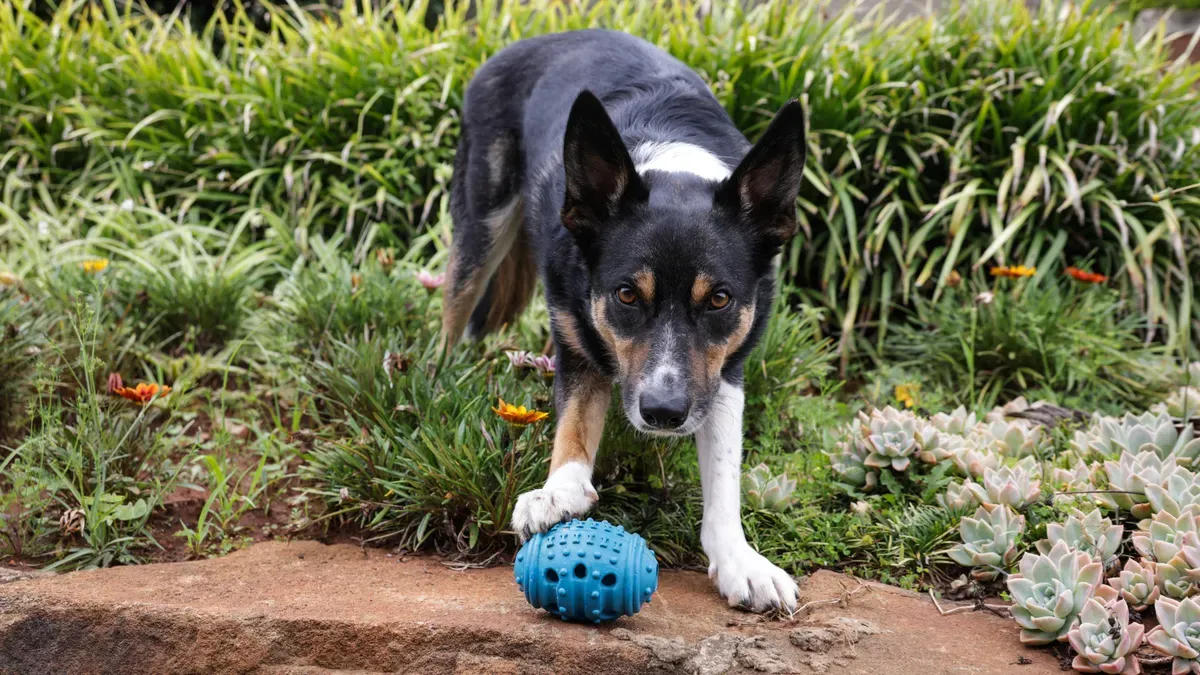
I’ve noticed that my dog lights up when faced with a new puzzle. It’s not just fun—mental challenges keep dogs sharp and engaged. I recently came across some fascinating research that shows how important this is. Here’s a quick look at what scientists have found:
Study/Source | Findings | Implications |
|---|---|---|
2017 co-study at the Fourth International Conference on Animal-Computer Interaction | Continued mental stimulation helps slow aging in dogs. | Without stimulation, dogs may age faster and the bond with owners may weaken. |
Veterinary Clinics of North America | Mental stimulation protects against Canine Cognitive Dysfunction (CCD). | CCD is similar to Alzheimer’s in humans, affecting cognitive health in aging dogs. |
Two-year longitudinal study in The IAABC Journal | Dogs with no mental stimulation showed significant cognitive decline compared to those with enrichment. | Mental stimulation is crucial for maintaining cognitive function in senior dogs. |
Messerli Research Institute study | Dogs engaged in cognitive tasks showed positive emotional responses similar to humans learning new skills. | Cognitive training can help preserve cognitive skills in older dogs. |
When I use toys from a dog puzzle toy manufacturer, I see my dog’s curiosity and problem-solving skills grow. These toys do more than entertain—they help keep my dog’s mind healthy.
Health and Happiness Benefits
I love how puzzle toys make my dog happier and calmer. When my dog focuses on solving a puzzle, I notice less barking and chewing. Research shows that puzzle toys help dogs manage stress and anxiety by giving them something positive to do. Their stress levels drop, and they seem more relaxed at home.
Veterinarians say adjustable puzzle toys are great for mental health. They help reduce anxiety-driven behaviors and improve quality of life. I usually start with 10-15 minutes a day and adjust based on my dog’s interest. Short sessions throughout the day work best for keeping my dog’s mind active and happy.
Custom Difficulty Levels
Adjustable Puzzle Features
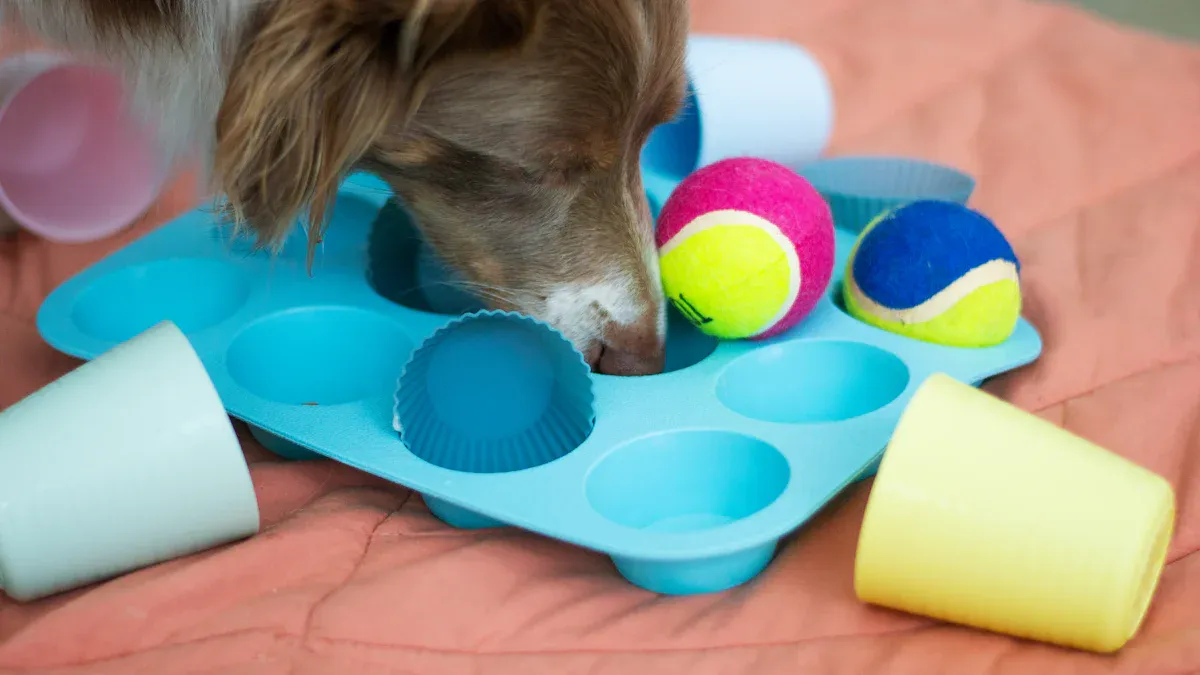
I love how dog puzzle toys now come with adjustable features. These clever designs let me change the challenge for my dog, so playtime never gets old. Some toys have flexible prongs, twistable parts, or even adjustable heights. I can make the puzzle easier when my dog is just starting out, then ramp up the difficulty as he gets smarter.
Here’s a quick look at some common adjustable features I’ve seen:
Toy Name | Adjustable Feature Description |
|---|---|
Flexible prongs that I can trim to adjust how quickly treats come out. | |
Twist ‘n Treat | I twist it to make the treat-dispensing hole bigger or smaller. |
Dual Puzzle Toy | Adjustable height, so it works for both small and large dogs. |
Slot Machine Toy | Three height settings to make getting treats easier or harder. |
I find these features super helpful. If my dog gets bored with one setting, I just switch it up. This keeps him interested and challenged. I also like knowing that these toys are safe and durable, especially for strong chewers or bigger breeds. I always check that the toy matches my dog’s size and chewing style.
Feature | Description |
|---|---|
Difficulty | I can modify puzzles to match my dog’s skill level, so he never gets frustrated or bored. |
Safety | Size and durability matter. I pick toys that are safe for my dog’s strength and chewing habits. |
Variety | Adjustable toys offer new challenges as my dog’s confidence grows. |
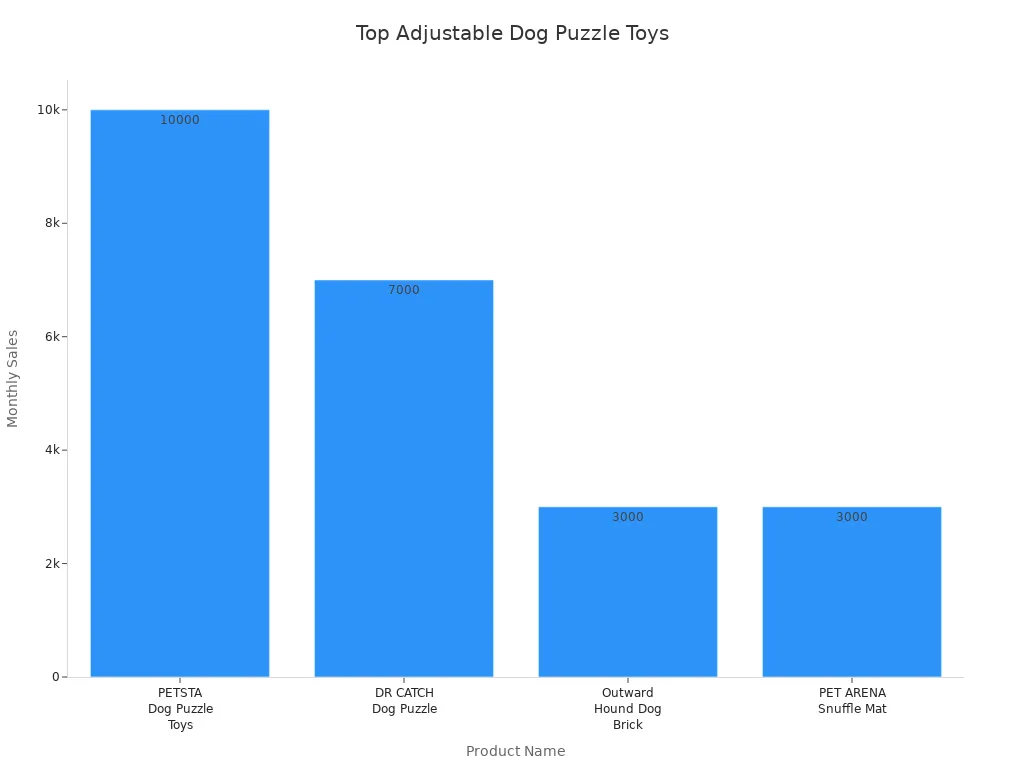
I’ve noticed that some of the most popular puzzle toys have these adjustable features. Take a look at how well they sell:
Growing with Your Dog
One thing I appreciate most about adjustable puzzle toys is how they grow with my dog. When he was a puppy, I started with the easiest setting. As he learned, I made the puzzles harder. I didn’t have to buy a new toy every time he got smarter. Some toys even have two or more real difficulty levels built right in. I just lock or unlock certain parts, or add extra pieces, and suddenly it’s a whole new challenge.
Here’s what I’ve learned about how these toys adapt as my dog’s skills improve:
Feature | Description |
|---|---|
Level | Some puzzles are designed for expert problem-solvers, perfect for advanced dogs. |
Components | Multiple sliding tiles and rotating parts create complex challenges. |
Purpose | These toys encourage my dog’s natural foraging instincts and keep his mind sharp. |
Construction | Durable, food-safe materials mean I can use them again and again. |
Adjustable Challenge | I can increase or decrease the difficulty by locking or unlocking different parts. |
I’ve found that toys with multiple difficulty levels keep my dog engaged for months. I don’t have to buy new toys as often, which saves me money. Here are a few reasons why I think adjustable puzzle toys are a smart investment:
Toys with multiple difficulty levels keep my dog mentally stimulated for a long time.
I don’t need to buy new toys every few weeks.
Rotating between different puzzles keeps things fresh and exciting for my dog.
I also noticed that adjustable puzzle toys, like the Starmark Bob-A-Lot, usually cost between $12 and $17. That’s a little more than basic toys, but I get more value because I can keep using them as my dog learns. Traditional toys might be cheaper, but they don’t offer the same mental workout or flexibility.
If you’re looking for ideas, here are some of the most popular adjustable puzzle toys I’ve tried or seen recommended:
Kong Wobbler – Tough and dispenses kibble.
Snuffle Mat – Great for foraging and calming.
Barnacle – Bounces, dispenses treats, and can be frozen.
Mad Scientist – Rotating test tubes for a real brain workout.
Bob-a-Lot – Adjustable slot for different kibble sizes.
I love seeing my dog’s confidence grow as he masters each new level. Adjustable puzzle toys make playtime smarter, more fun, and a lot more rewarding for both of us.
Dog Puzzle Toy Manufacturer Innovations
Smart Design Techniques
I get excited when I see how a dog puzzle toy manufacturer keeps coming up with new ways to make toys smarter and more fun. These companies use clever design tricks to keep my dog guessing. For example, some toys now have modular parts that I can rearrange. This means I can change the puzzle every time my dog plays, so he never gets bored.
I’ve noticed that many of the latest toys use adjustable components. Some puzzles have sliding tiles, spinning wheels, or hidden compartments. I can move these parts around to create new challenges. One advanced example I tried had a slider system that let me lock or unlock different sections. It felt like two toys in one! My dog had to figure out a whole new way to get his treats each time.
Here’s a quick look at some of the latest innovations I’ve seen:
Product Name | Features | Price Range |
|---|---|---|
Adjustable difficulty, high quality, bottom-heavy | Pricier side | |
Multi-level puzzles | Modular designs, adapts to dog’s skill level | N/A |
I love how these designs keep my dog’s brain working. The toys don’t just hand out treats—they make my dog think, sniff, and solve problems. I’ve even seen toys that combine building and play, like a puzzle vase that turns into a decorative piece after my dog finishes the challenge. These smart designs make playtime feel fresh every day.
Tip: I always look for toys with multiple moving parts or adjustable settings. They last longer and keep my dog interested.
Customization Technology
Customization is a big deal for me when I pick out a new puzzle toy. I want something that fits my dog’s needs and can handle his chewing style. I’ve seen dog puzzle toy manufacturer brands use all kinds of materials and tech to make this possible.
Here’s a table that shows some of the most common materials and their features:
Material | Target Audience | |
|---|---|---|
Plastic | Versatile, durable, easy to clean | General dog owners |
Rubber | Chew-resistant, safe for strong chewers | Owners of larger breeds or aggressive chewers |
Wood | Eco-friendly, handcrafted, gentle play | Environmentally conscious consumers |
Fabric | Soft, sensory features, machine-washable | Puppies and senior dogs |
I like that I can choose a toy based on what my dog needs. If he’s in a chewing mood, I go for rubber or tough polymer. If I want something soft for a puppy or older dog, I pick fabric or fleece. Some toys even use food-grade polypropylene for extra safety and durability.
Manufacturers also use technology to make toys more interactive. I’ve seen puzzles with multi-step challenges, where my dog has to solve one part before moving to the next. Some toys let me add or remove pieces, so I can make the game easier or harder. This modular approach means I don’t have to buy a new toy every time my dog gets smarter.
Material | |
|---|---|
Polymer | Sturdy, withstands hours of play |
Plastic | Not ideal for heavy chewers |
Oxford cloth, fleece | Durable, non-toxic |
Polypropylene, Rubber | Food-grade, multi-step challenge ready |
I’ve also noticed that some toys encourage me to play with my dog. We solve puzzles together, which makes the experience even better. The best dog puzzle toy manufacturer brands keep finding ways to make toys that fit every dog and every owner.
Continuous innovation keeps playtime exciting.
Modular designs adapt to my dog’s growing skills.
Custom materials make toys safer and longer-lasting.
When I see how far these toys have come, I feel confident that playtime will always be fun and challenging for my pup.
Dog Benefits
Preventing Boredom
I always look for ways to keep my dog busy, especially when I leave him alone at home. Puzzle toys have become my go-to solution. They give my dog something to focus on, which helps prevent boredom. When I use toys from a dog puzzle toy manufacturer, I notice my dog stays engaged for longer periods. He loves figuring out how to get treats out of different compartments.
Puzzle toys provide mental stimulation by requiring focus and problem-solving skills.
They help reduce boredom by offering an extra source of entertainment during the day.
Varied textures and hiding mechanisms keep my dog interested and challenged.
I also learned that food-based enrichment is essential for meeting my dog’s daily needs. Trainers recommend interactive feeding routines that tap into natural foraging behaviors. I see my dog’s excitement every time he gets to “hunt” for his kibble.
Tip: Rotating puzzle toys throughout the week keeps my dog from getting bored and makes each play session feel new.
Learning and Skill Development
I’ve noticed my dog gets smarter with every puzzle he solves. These toys activate his brain and encourage him to learn new skills. When he figures out a tricky puzzle, I see his confidence grow.
Puzzle toys provide cognitive engagement, which is essential for mental stimulation.
Solving puzzles activates the dopamine reward prediction circuit, making the experience rewarding.
Mental enrichment leads to the release of dopamine and endorphins, which help regulate emotions and promote calmness.
Research shows that cognitive tasks can tire dogs out, just like physical exercise.
Watching my dog learn and develop new skills makes me proud. He gets a mental workout, stays calm, and feels accomplished after each challenge.
Owner Benefits
Personalized Playtime
I love how customizable puzzle toys let me create the perfect play session for my dog. I can adjust the difficulty, so he never gets bored or overwhelmed. Some days, he wants a real challenge. Other days, he just wants to have fun and grab treats quickly. I get to decide what works best for him.
Here’s a quick table that shows how these features help me personalize playtime:
Feature | Description |
|---|---|
Customization | I can change the puzzle’s difficulty and style to match my dog’s mood. |
Mental Stimulation | My dog stays sharp and focused, which keeps him happy and calm. |
Physical Activity | He moves around, paws, and nudges the toy, so he gets exercise too. |
I also like that my dog can enjoy different types of play. Sometimes he chews, sometimes he tugs, and sometimes he just wants to sniff out treats. Subscription boxes with new puzzles keep things fresh and exciting for both of us.
Tip: Switching up the puzzle toys keeps my dog interested and helps me learn what he enjoys most.
Reducing Destructive Behavior
Before I started using puzzle toys, my dog would chew on shoes or scratch the couch when bored. Now, he spends his energy solving puzzles instead. These toys keep his mind busy and help him relax.
Puzzle toys give my dog a job to do, so he doesn’t look for trouble.
They help calm him down when he feels anxious or stressed.
I’ve noticed less chewing on furniture and fewer messes around the house.
When my dog focuses on a puzzle, he channels his instincts into something positive. I feel relieved knowing he’s happy and my home stays safe.
Choosing the Right Puzzle Toy
Matching Difficulty to Your Dog
I always try to match the puzzle toy’s difficulty to my dog’s abilities. If I start with a toy that’s too hard, my dog gets frustrated and loses interest. I learned that transparent containers help build confidence because my dog can see the treats inside. Interactive toys with simple movements are great for beginners. Sometimes I make a DIY puzzle to see how my dog solves problems. As he gets better, I move up to toys with multi-step challenges. I watch how engaged he is and adjust the difficulty if he seems bored or stuck.
Here’s what I look for when matching difficulty:
Start with clear containers for easy wins.
Use toys that require basic actions for first challenges.
Try homemade puzzles to test problem-solving.
Increase complexity as my dog masters simple tasks.
Observe engagement and change difficulty as needed.
I also check my dog’s breed and personality. Some dogs love a challenge, while others prefer simple games. I use a four-level framework to guide me:
Level | Description |
|---|---|
Level 1 | Simple cause-and-effect toys for beginners |
Level 2 | Moving parts needing specific actions |
Level 3 | Sequential logic puzzles |
Level 4 | Complex puzzles for expert dogs |
Practical Selection Tips
When I pick a puzzle toy, I focus on safety and quality first. Durable, non-toxic materials matter, especially for strong chewers. I make sure the toy fits my dog’s size so it’s safe and challenging. Adjustable difficulty levels help the toy grow with my dog. Easy cleaning is important to keep things hygienic. Toys that release treats slowly encourage healthier eating. I also consider my budget, but I know quality toys last longer.
Here are my top tips for choosing the right puzzle toy:
Prioritize quality and safety.
Choose durable, non-toxic materials.
Match the toy to your dog’s size.
Look for adjustable difficulty levels.
Pick toys that are easy to clean.
Opt for slow treat release for healthy habits.
Factor in your budget—quality pays off.
Tip: I always observe my dog during play. If he solves a puzzle too quickly, I switch to a harder toy. If he struggles, I make it easier. This keeps playtime fun and rewarding.
I’ve seen how a dog puzzle toy manufacturer can truly change playtime for the better. Adjustable puzzles keep my dog’s mind sharp, reduce stress, and help prevent boredom. With so many enrichment-based toys now available, I love exploring new ways to keep my pup happy and engaged.
Benefit | Effect on Dogs |
|---|---|
Adjustable challenges | Boost problem-solving and confidence |
Mental stimulation | Supports long-term cognitive health |
Tip: Try a new puzzle toy and watch your dog’s curiosity grow!
FAQ
How do I clean my dog’s puzzle toy?
I rinse the toy with warm water and mild soap. I check for hidden food and let it air dry before giving it back.
What if my dog gets frustrated with a puzzle?
I switch to an easier setting or help him solve the first step. I want playtime to feel fun, not stressful.
Can puzzle toys help with separation anxiety?
I noticed puzzle toys distract my dog when I leave. He focuses on the challenge and feels less anxious. Treats make it even better!
