


When I first heard about dog iq puzzle toy levels, I wondered if my dog would enjoy them. Dog iq puzzle toy levels help dogs stay sharp and happy. Each level offers unique challenges. Dog iq puzzle toy levels make mental stimulation fun. I love how dog iq puzzle toy levels fit every dog’s needs. Dog iq puzzle toy levels keep things interesting for both of us.
Key Takeaways
Start with easy-level puzzle toys to build your dog’s confidence and problem-solving skills.
Progress through levels as your dog masters challenges, keeping playtime engaging and fun.
Use interactive toys to reduce boredom and anxiety, leading to happier and calmer dogs.
Understanding dog IQ puzzle toy levels
What Are Puzzle Toy Levels?
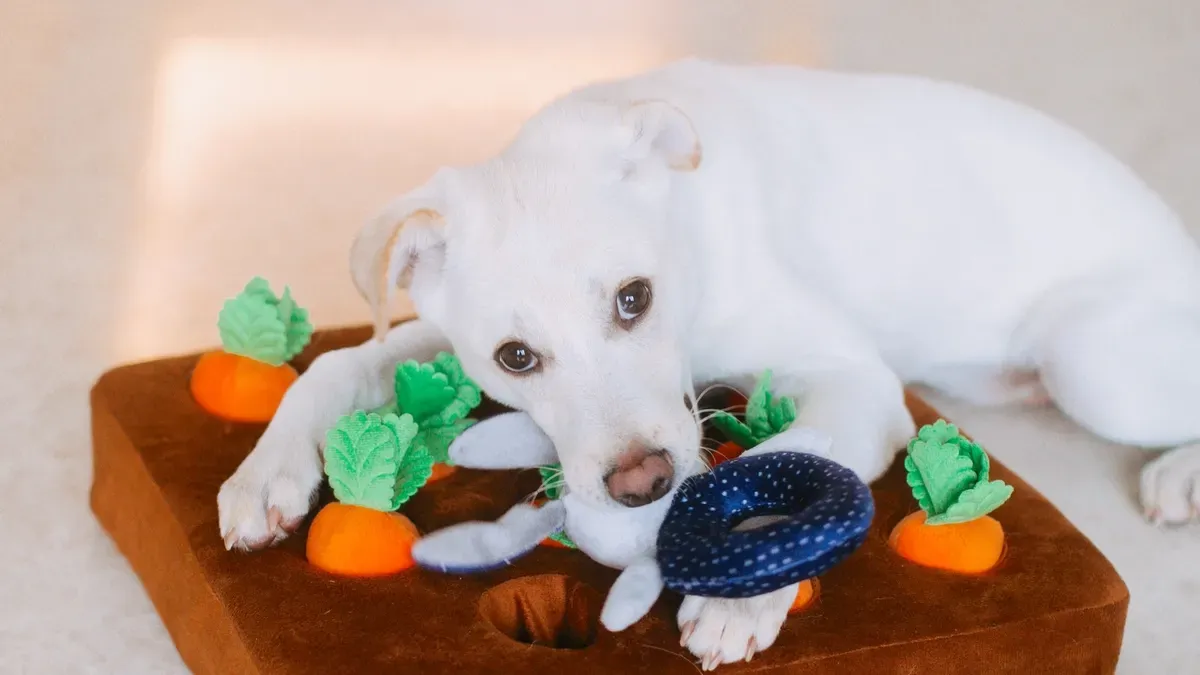
When I first started looking for the best dog puzzle toys, I noticed that brands use different names for their levels. Some call them “beginner,” “intermediate,” or “expert.” Others just use numbers. No matter the label, the structure stays pretty much the same. I like to think of these levels as a way to match the right toy to my dog’s current skills and keep things interesting as they learn.
Here’s a quick look at how most major brands break down the different levels of challenge:
Level | Difficulty | Description |
|---|---|---|
1 | Easy | Simple one-step solutions, ideal for curious dogs and beginners. |
2 | Intermediate | Requires more skill, involves actions like lifting flaps and pressing levers. |
3 | Advanced | Two-step solutions needed, suitable for dogs that have mastered previous levels. |
4 | Expert | Complex puzzles with adjustable difficulty for highly skilled dogs. |
I always start my dog with a level 1 toy. Watching them figure out a simple treat ball or a basic interactive dog toy makes me smile. As their problem-solving skills improve, I move up to more complex interactive puzzles. Each level gives my dog a new way to use their brain and keeps them from getting bored.
Why Levels Matter for Dogs
I’ve seen firsthand how interactive toys can change a dog’s day. When my dog gets a new puzzle, their brain lights up. They sniff, paw, and nudge, trying to solve the challenge. This kind of mental stimulation is just as important as a walk or a game of fetch.
Let me show you what I’ve learned about the benefits of using interactive puzzles at different levels:
Behavioral Benefit | Description |
|---|---|
Mental Stimulation | Engaging dogs in problem-solving activities can be as tiring as physical exercise, providing mental engagement. |
Reduced Boredom | Dogs with puzzle toys are less likely to engage in destructive behaviors due to boredom. |
Improved Behavior | Mentally satisfied dogs are less likely to require additional products to settle down at home. |
I noticed that when my dog works on a puzzle, they seem calmer and happier afterward. The best dog puzzle toys don’t just entertain—they help dogs develop problem-solving skills and keep their brain sharp. I also read that dogs who use interactive dog toys regularly show up to 40% fewer behavioral problems. That’s a huge difference! Even more impressive, interactive toys can reduce anxiety-related destructive behavior by 60%. Some studies say that regular brain games can even extend a dog’s cognitive health by two to three years.
Statistic | Description |
|---|---|
40% fewer behavioral problems | Dogs engaged in regular mental stimulation show significantly fewer behavioral issues. |
60% reduction in anxiety-related destructive behavior | Interactive toys can reduce such behaviors on average. |
2-3 years cognitive health extension | Mental enrichment activities can prolong a dog’s cognitive health. |
I love knowing that the best dog puzzle toys do more than just pass the time. They help my dog build problem-solving skills, boost their brain power, and stay happy. When I see my dog tackle different levels of challenge, I know I’m giving them the tools to grow. Interactive puzzles and interactive toys aren’t just fun—they’re essential for a healthy, well-rounded dog. If you want to help your dog develop their iq and problem-solving skills, start with a simple toy and work your way up. You’ll both enjoy the journey!
Level 1: Easy
Easy Level Features
When I first introduced my dog to puzzle toys, I wanted something simple. Level 1 is perfect for beginners or dogs who have never tried a puzzle before. These toys focus on easy access to treats and basic problem-solving. I noticed that my dog felt excited but not overwhelmed. Most easy-level toys use bright colors and sturdy materials. They often have one-step actions, like rolling or spinning.
Here’s a quick look at some popular easy-level dog puzzle toys:
Toy Name | Features | Difficulty Level |
|---|---|---|
Dog Treat Maze | Treats are placed in a maze that wobbles and spins, providing engagement | Easy |
Dog Tornado | Rotating discs with compartments for treats, requiring interaction | Easy to Medium |
I love how these toys keep my dog busy. The Dog Treat Maze is a favorite in my house. My dog rolls it around and watches treats fall out. The Dog Tornado offers a bit more challenge but still feels manageable for most dogs.
How It Challenges Beginners
I remember the first time my dog tried a treat dispensing game. They sniffed, pawed, and nudged the toy until treats appeared. Level 1 puzzles encourage dogs to use their senses and basic skills. These toys help dogs build confidence and curiosity. I saw my dog learn to focus and stay patient. Easy-level toys also help dogs understand that their actions lead to rewards.
Tip: If your dog seems unsure, show them how the toy works. I always start with a few treats to spark their interest.
Level 1 puzzles make learning fun. Dogs get to explore, play, and win treats. I noticed that my dog felt proud after solving the puzzle. These toys set the stage for more advanced challenges later.
Level 2: Intermediate
Intermediate Level Features
When my dog mastered the basics, I knew it was time for a bigger challenge. Level 2 puzzles are perfect for dogs who already know how to work a simple toy. These puzzles ask dogs to use more than one step to get their reward. I noticed my dog had to think harder and stay focused longer. That made playtime even more exciting.
Here’s what I love about intermediate-level puzzles for dogs:
They require multiple steps to reach the treats, which really boosts a dog’s problem-solving skills.
These toys are made for dogs who have some experience and want a greater challenge.
The designs often include sliding or flipping parts, so dogs need to use their nose and paws in new ways.
Engaging Experienced Dogs
I remember the first time I gave my dog a puzzle with sliding blocks. They sniffed, pawed, and even tilted their head, trying to figure it out. Watching them work through each step made me proud. Some of my favorite intermediate-level toys include:
Nina Ottosson by Outward Hound Dog Brick: This puzzle has flip lid compartments and sliding pieces. My dog loves opening each section to find hidden treats.
Nina Ottosson by Outward Hound Interactive Puppy Hide N’ Slide: This one has swiveling flippers and sliding blocks. Dogs get to explore 14 treat compartments, which keeps them busy for a long time.
Nina Ottosson Dog Tornado: With three tiers and twelve compartments, this toy makes dogs spin the layers to uncover snacks.
These puzzles keep dogs engaged and help them build confidence. I always see my dog’s tail wag when they solve a new challenge. If your dog breezes through easy puzzles, it might be time to try an intermediate-level toy.
Level 3: Advanced
Advanced Level Features
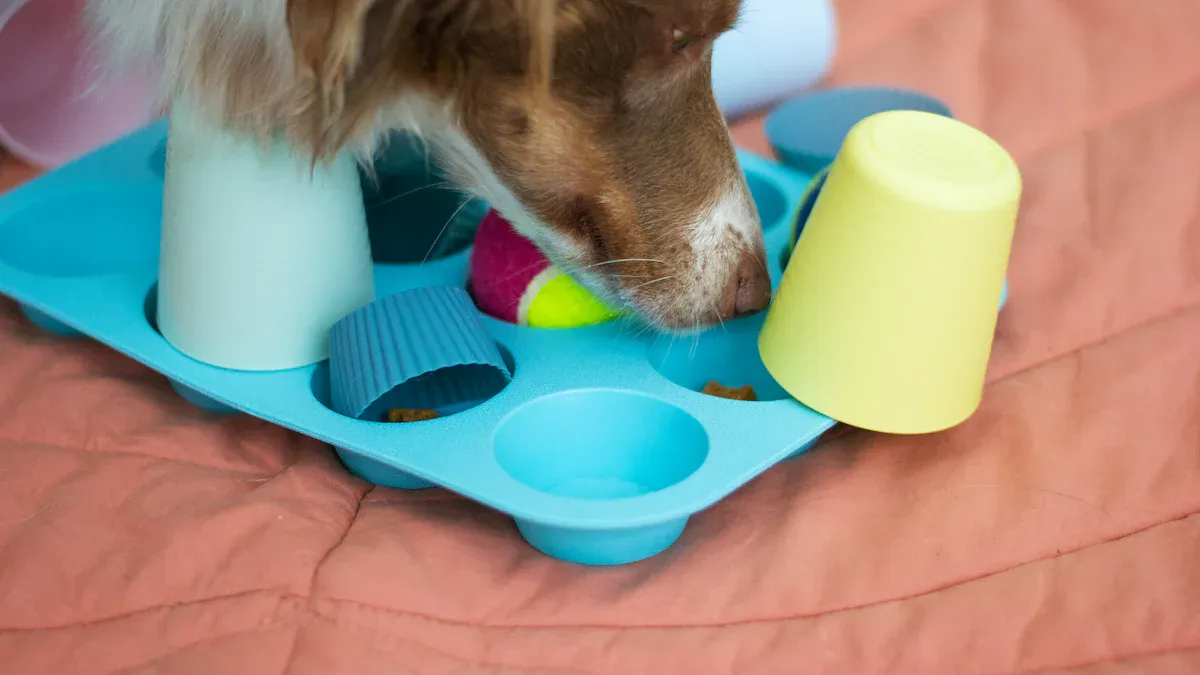
When my dog breezed through the intermediate challenges, I knew it was time to step things up. Level 3 advanced puzzles are not just harder—they ask dogs to solve multi-step problems. I noticed my dog had to use memory, patience, and a bit of creativity. These toys often combine several actions, like sliding, lifting, and sniffing, all in one session.
Here are some advanced puzzle options that trainers often recommend for smart dogs:
Puzzle Feeder Lick Mat: My dog loves licking soft treats from this mat. It keeps them busy and helps calm anxious dogs.
Puzzle Feeder Tumbler: This toy rolls and wobbles, making my dog work for over 30 minutes. I can even freeze it for a cool treat.
Puzzle Feeder Slow Feeding Mat: I use this mat to slow down my dog’s eating. It has a large surface and helps with dental health.
Dog Sniffing Mat (Snuffle Mat): This mat encourages dogs to use their nose and brain. My dog enjoys searching for hidden snacks, and it is easy to clean.
For Smart and Active Dogs
I find that advanced puzzles work best for dogs who crave mental challenges. My dog gets excited when they see a new toy that makes them think. These puzzles help keep active dogs focused and satisfied. I like to rotate different toys to keep things fresh. If your dog solves puzzles quickly, try mixing up the types of challenges. Watching my dog solve a tough puzzle always makes me proud. Advanced puzzles are a great way to keep smart dogs happy and healthy.
Level 4: Expert
Expert Level Features
I remember when my dog finished every advanced puzzle in the house. I could see they wanted more. Level 4 expert puzzles are made for dogs who crave a real challenge. These toys push dogs to use all their senses and skills. I noticed my dog had to think, plan, and even try new strategies. Expert puzzles often combine sliding, flipping, and spinning actions. Some toys even let you adjust the difficulty, so your dog never gets bored.
Here’s what I’ve seen expert-level puzzles do for dogs:
Engage their minds with complex steps and hidden treats.
Give energetic dogs a constructive way to burn off steam.
Encourage positive behavior by keeping dogs busy and focused.
Help maintain sharp thinking and problem-solving skills.
If your dog solves every puzzle you give them, it might be time to try an expert-level toy. I love watching my dog’s eyes light up when they figure out a tough challenge.
Ultra-Challenging Puzzles
I always look for toys that keep my dog guessing. The MultiPuzzle is a favorite in my house. It has sliders, flippers, and twirlers that make my dog work for every treat. I also like the Dog Twister, which has spinning discs and blocks. These toys are perfect for dogs who need something extra.
Toy Name | Description | Price | Purchase Links |
|---|---|---|---|
Nina Ottosson MultiPuzzle Dog Puzzle Toy | A challenging toy with sliders, flippers, and twirlers for advanced dogs. | ||
Nina Ottosson Dog Twister Interactive Treat Puzzle | A clever toy with compartments for treats, featuring spinning discs and moveable blocks. | $27.99 |
Tip: Always supervise your dog with a new puzzle. Some dogs get so excited, they try to solve it with their teeth!
Expert-level puzzles give dogs a way to use their brains and bodies. I’ve seen my dog become calmer and happier after working through a tough toy. If your dog loves a challenge, these puzzles are a great way to keep them sharp and entertained.
Choosing the best dog puzzle toys by level
Assessing Your Dog’s Readiness
When I pick out the best dog puzzle toys, I always watch how my dog interacts with new things. Every dog has a unique style. Some use their nose, others use their paws, and a few love to chew. I look for clues in their play. I never choose a puzzle just because of breed or age. I focus on my dog’s experience and personality.
Here’s what helps me match the right level:
I observe how my dog reacts to new toys. If they get frustrated or bored, I know I need to adjust.
I start with a puzzle that’s one level below what I think my dog can handle. This way, they get early wins and build confidence.
I consider my dog’s size. Bigger dogs need sturdy toys, while smaller dogs do better with lighter options.
I always supervise playtime, especially with a new toy.
Tip: If your dog seems stressed or confused, step back to an easier level. Success keeps them motivated!
Tips for Progression
I want my dog to enjoy every step. I use these strategies to help them move up and stay engaged:
I begin with easy puzzles and simple treat games.
I scatter kibble or use a Kong with food on the outside for first tries.
As my dog learns, I close compartments or freeze fillings to make things harder.
I rotate the best dog puzzle toys so my dog never gets bored.
I use high-value treats to keep my dog interested.
I watch for signs of frustration and always celebrate small wins.
The best dog puzzle toys grow with your dog. I love seeing my dog’s confidence soar as they master each new challenge.
I always match puzzle toy levels to my dog’s needs. This helps dogs feel less anxious, eat slower, and stay sharp as they age. I celebrate every win and move up slowly. Here’s why I love this approach:
Dogs show less stress and destructive behavior.
Dogs enjoy better digestion.
Dogs keep their minds active.
Evidence Description | Findings |
|---|---|
Study on toy provision | No big changes in welfare with different toy levels. |
Behavioral measures | Dogs with harder toys approached new things faster. |
I keep switching up puzzles to keep my dog happy. Watching dogs solve new challenges makes every day fun.
FAQ
How do I know which puzzle level is right for my dog?
I watch how my dog reacts to new toys. If my dog solves puzzles quickly, I move up a level. Every dog learns at their own pace.
Can puzzle toys help with my dog’s boredom or anxiety?
Yes! I see my dog stay calm and happy after using puzzle toys. Dogs love mental challenges. These toys keep dogs busy and reduce unwanted behaviors.
What if my dog gets frustrated with a puzzle toy?
I always start with an easier puzzle. If my dog struggles, I show them how it works. Dogs need encouragement. I celebrate every small win with my dog.
