
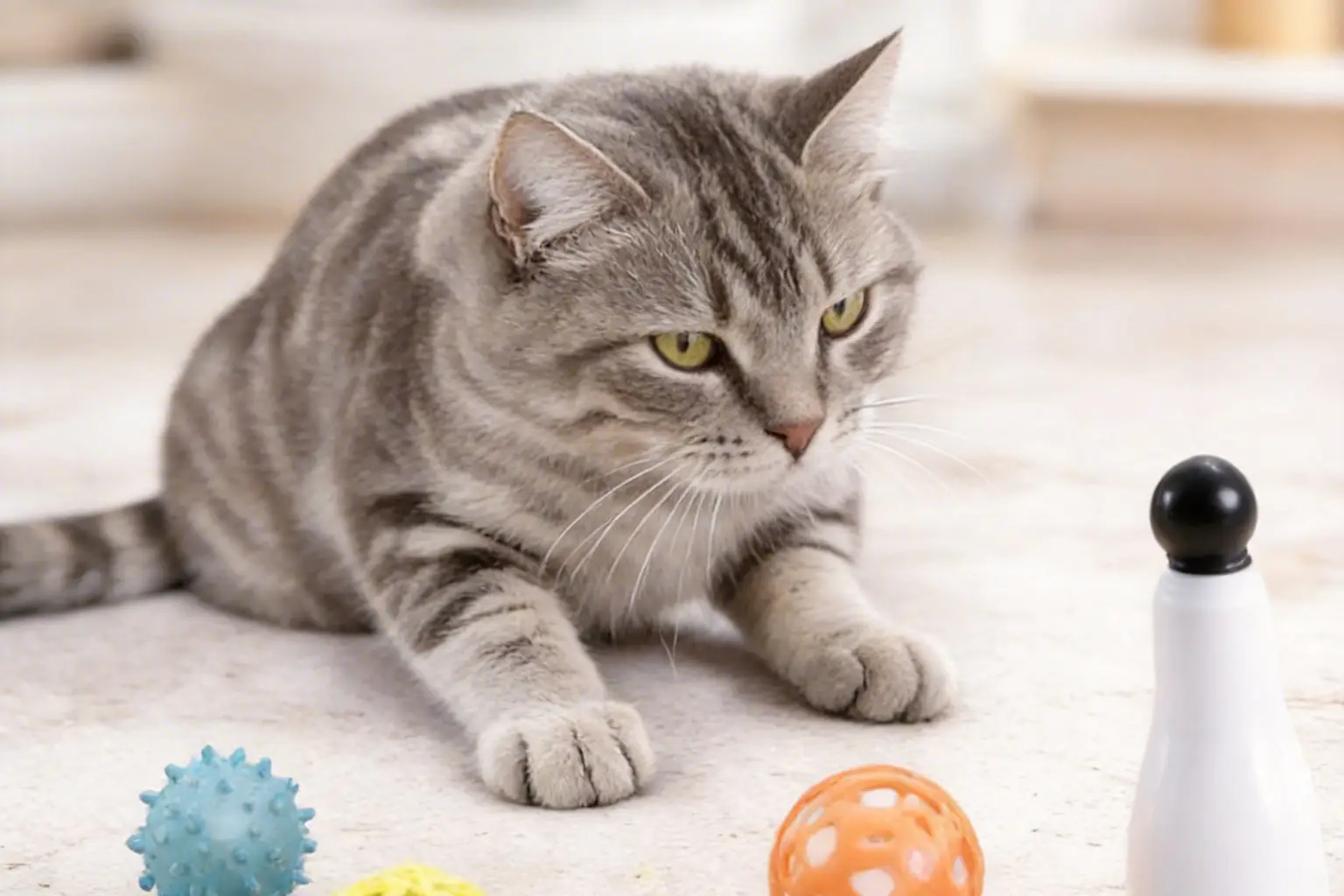


Manufacturers create each custom color dog ball by matching precise Pantone color codes during production. Pantone matching ensures the final ball aligns with the brand’s exact color, which strengthens brand consistency and boosts recognition by up to 80%. Consistent colors can even increase average revenue by 33%.
Key Takeaways
Pantone matching boosts brand recognition by up to 80% and can increase revenue by 33%. Brands should consider this for custom dog balls.
Using Pantone codes ensures precise color matching, which strengthens brand identity and simplifies communication between designers and manufacturers.
To avoid production delays, brands must clearly communicate Pantone references and confirm all details with manufacturers before starting the order process.
Pantone matching for dog balls
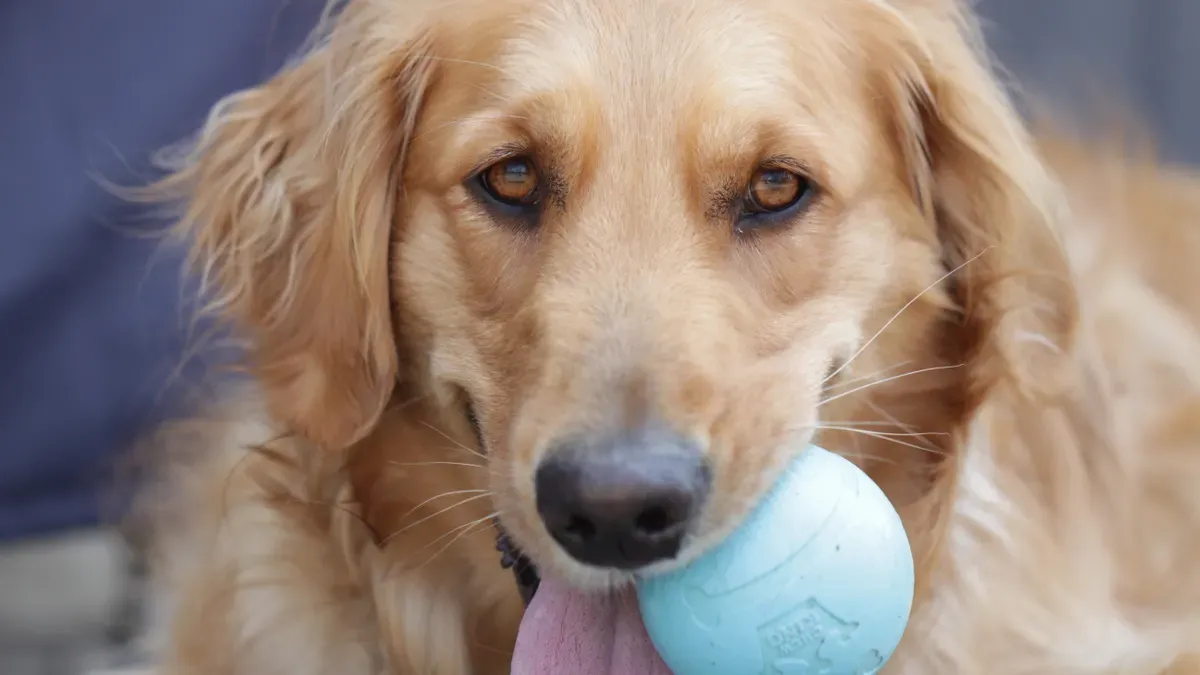
What is Pantone matching?
The Pantone Matching System (PMS) is a global standard for color matching. It helps manufacturers keep colors consistent across different materials and production methods. In the pet product industry, PMS plays a key role in branding and packaging. Companies use PMS to make sure their products look the same every time, no matter where or how they are made.
PMS is essential for keeping brand identity strong in pet products.
It makes communication about color simple and clear.
It works for printed items, textiles, and plastics, ensuring high color accuracy.
Why Pantone for dog balls?
Manufacturers choose Pantone matching for custom color dog ball production because it offers unmatched precision and a wide range of colors. Customers can request any Pantone color, or even provide a PMS or RAL code for exact matching. This flexibility allows brands to stand out with unique colors. However, Pantone matching can increase costs and lead to longer production times. For example, matching a specific Pantone shade may require several sample rounds, which can delay delivery and raise minimum order quantities.
Tip: Brands that want premium positioning and strong visibility often select Pantone matching for their custom color dog ball projects.
Color accuracy and brand consistency
Pantone matching ensures that every custom color dog ball matches the brand’s exact shade, even on different surfaces. The table below shows how PMS compares to other color systems like CMYK:
Feature | Pantone Matching System (PMS) | CMYK |
|---|---|---|
Color Range | 1,000+ unique colors | Limited, cannot reproduce 30-40% of PMS colors |
Color Consistency | High, pre-mixed spot inks | Variable, depends on printing process |
Surface Variability | Separate guides for coated and uncoated substrates | No specific adaptation for surfaces |
Research shows that consistent color can boost brand recognition by up to 80%. Companies that use Pantone matching for their dog balls create a memorable and unified brand image.
Custom color dog ball process
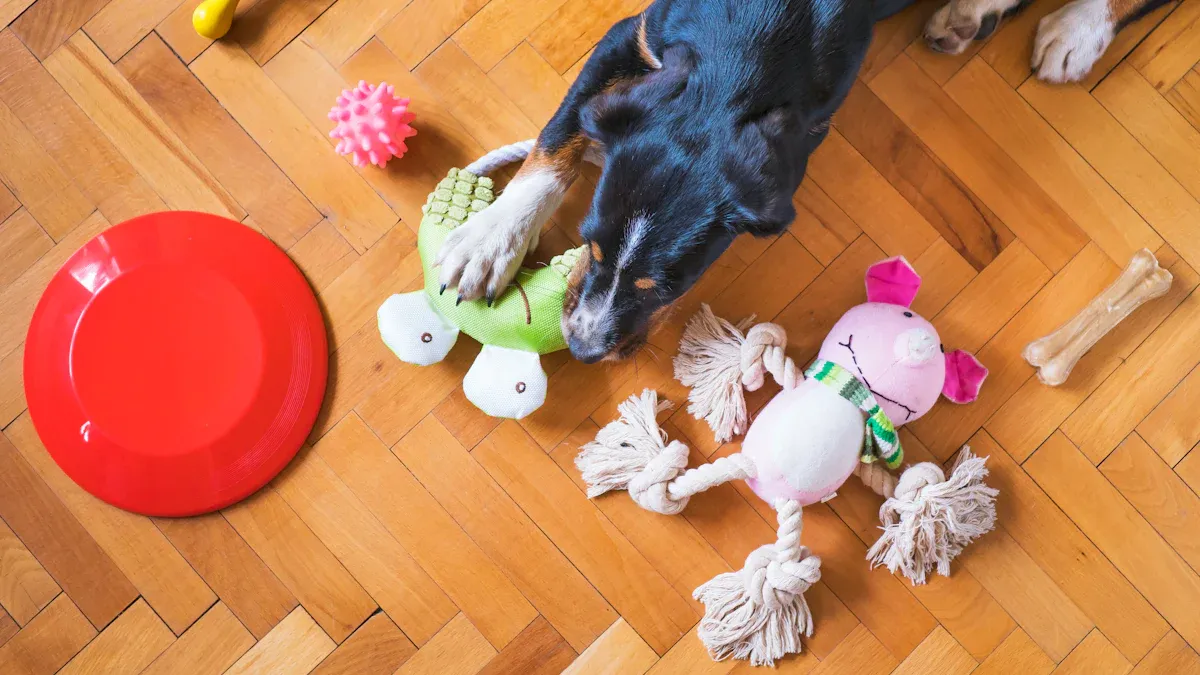
Color selection and PMS code
The process begins with color selection. Designers choose a Pantone color code that represents the brand or desired shade. This code becomes the official specification for the custom color dog ball. The Pantone Matching System allows brands to select from over a thousand unique colors. Designers often submit vector artwork with the chosen PMS code to the manufacturer. Clear communication ensures the pigment supplier understands the exact color requirements.
Note: The manufacturer uses the Pantone Matching System for precise color matching. Custom dyeing services are available for larger orders, which helps brands maintain consistency across product lines.
Material preparation and mixing
Manufacturers prepare materials before color mixing. They use strong natural rubber cores, non-abrasive pet-safe felt, chew-resistant build options, and eco-friendly materials. Each material must accept the Pantone color pigment without losing durability or safety. The pigment supplier creates a masterbatch using the Pantone code. Technicians mix the pigment with the base material to achieve the desired color. Custom felt products are dyed in-house to match the brand color palette.
Strong natural rubber core
Non-abrasive pet-safe felt
Chew-resistant build options
Eco-friendly materials
The preparation process ensures the custom color dog ball meets both color and safety standards.
Sampling with Pantone chips
Sampling is a critical step in color verification. Manufacturers produce sample balls and compare them against Pantone chips under controlled lighting. They use several methods to check color accuracy and artwork alignment.
Sampling Method | Purpose |
|---|---|
Print proofs | Flat 2D CMYK printouts on proofing paper to verify color accuracy and artwork alignment. |
Press proofs | Printouts on the actual press and substrate used in production for exact color matching. |
Physical Pantone color references printed on production material for brand-specific accuracy. |
A spectrophotometer measures the color by shining a full spectrum of light onto the sample and recording the reflected wavelengths. This creates a unique spectral reflectance curve, which acts as a fingerprint for that color. The sampling process ensures the custom color dog ball matches the brand’s exact shade before mass production begins.
Mass production and quality control
Mass production starts after the sample passes color verification. Manufacturers maintain Pantone color accuracy throughout the process by following these steps:
Designers select the Pantone color code and set it as the official specification.
The Pantone code is communicated to the pigment supplier for clarity.
The supplier formulates the pigment masterbatch and verifies it with spectrophotometry.
First Article Inspection (FAI) compares samples against the Pantone guide under controlled lighting.
Quality control measures ensure every custom color dog ball meets brand standards. Manufacturers inspect raw materials upon receipt to catch defects early. In-process quality checks monitor seam strength, squeaker safety, and dimensional accuracy. Before shipment, inspectors randomly sample products according to AQL standards. Clients may arrange third-party inspections by SGS or Intertek. Photo and video documentation of production and quality control stages are provided for review.
Quality Control Measure | Description |
|---|---|
Raw Material Inspection | Verification of materials and certificates upon receipt. |
In-Process Quality Checks | Checks for seam strength, squeaker safety, and dimensional accuracy during production. |
Pre-shipment Final Inspection | Random sampling according to AQL standards before shipment. |
Third-Party Inspection | Option for clients to arrange inspections by SGS or Intertek. |
Documentation | Provision of photo and video documentation of production and quality control stages for review. |
Tip: Custom color dog ball production includes exact Pantone color matching and in-house dyeing to ensure consistency with brand palettes. Quality control checks at every stage help maintain high standards and customer satisfaction.
Benefits, challenges, and tips
Advantages of Pantone matching
Pantone matching offers several key benefits for custom color dog ball manufacturing. Brands achieve exact color reproduction, which helps products stand out on store shelves. Consistent color builds trust and recognition among customers. Manufacturers use Pantone codes to simplify communication, which reduces errors and saves time. Pantone matching also supports a wide range of colors, allowing brands to create unique and memorable products.
Ensures precise color matching for every batch
Strengthens brand identity and recognition
Simplifies communication between designers and manufacturers
Offers flexibility with thousands of color options
Common challenges and solutions
Pantone matching in dog ball production can present challenges. Color may shift due to changes in materials or production conditions. Miscommunication about color codes can lead to costly mistakes. Manufacturers address these issues with several solutions:
Solution | Description |
|---|---|
Use Pantone for consistent color reproduction across products. | |
Environmental Controls | Maintain consistent conditions during production to ensure color accuracy. |
Accurate Communication | Provide exact Pantone codes in design specifications to manufacturers. |
Note: The Pantone Matching System assigns unique codes to each color. This system makes it easier for designers and manufacturers to communicate and maintain color consistency.
Tips for ordering custom color dog balls
Brands can follow several tips to ensure a smooth ordering process for custom color dog balls:
Use Pantone Textile Color Guides to select precise shades.
Align selected colors with the brand’s palette.
Communicate Pantone references clearly by including exact codes in all specifications.
The table below highlights important features to consider when placing an order:
Feature | Details |
|---|---|
500 units | |
Pantone Matching | Available for ball, rubber, and logo |
Decoration Methods | Embroidery, pad print, screen print |
Custom Sizes | Standard 2.575 inches or bespoke sizes on request |
Material | Non-toxic felt and durable rubber core |
Packaging Options | Bulk or custom packaging available |
Production Time | 4–8 weeks, with rush options possible |
Compliance | All materials are non-toxic and pet-safe |
Tip: Brands should confirm all details with the manufacturer before production begins. This step helps prevent delays and ensures the final product meets expectations.
Pantone matching helps brands create custom color dog balls with exact shades. Manufacturers follow clear steps to ensure color accuracy and brand consistency. Products with science-backed colors show higher customer satisfaction:
North American OEM orders for blue and yellow palettes increased by 40%
Enhanced visibility and appeal attract more buyers
Brands gain recognition and trust. Pantone matching offers a reliable solution for custom dog ball needs.
FAQ
How does Pantone matching improve color consistency in dog balls?
Pantone matching uses standardized color codes. This process ensures every batch of dog balls matches the brand’s exact shade, even when produced at different times.
Can Pantone colors be matched on all dog ball materials?
Most dog ball materials accept Pantone pigments. Some materials may show slight variations. Manufacturers test samples to confirm the closest possible match before mass production.
What is the minimum order for custom Pantone color dog balls?
Most manufacturers require a minimum order of 500 units for custom Pantone color dog balls. This quantity helps maintain color accuracy and production efficiency.
