
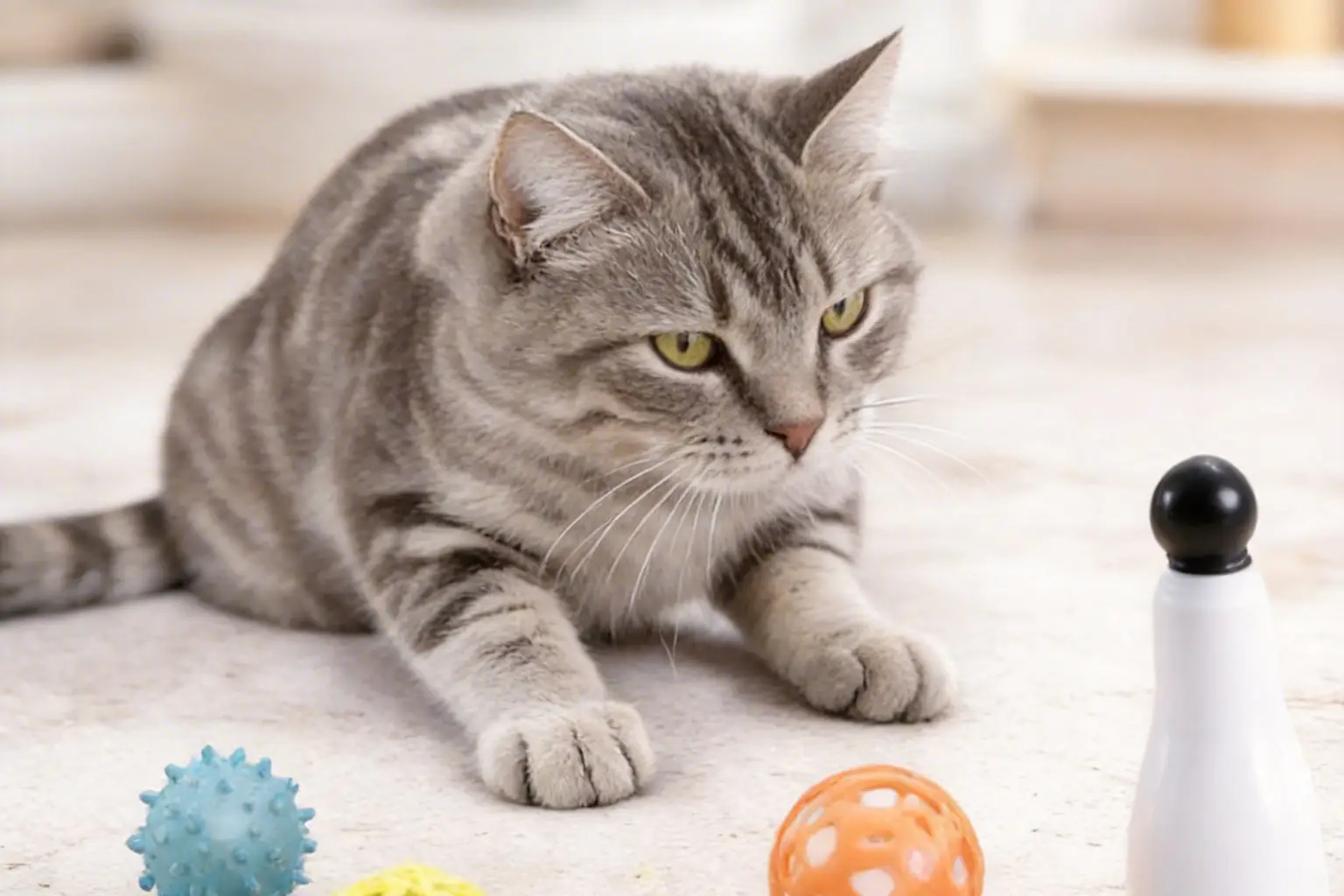


I always look for floating dog ball water toys made from buoyant, durable, and safe materials. Choosing the right material matters a lot. Closed-cell foam and low-density rubber keep toys afloat and last longer. My dog loves the WUNDERball, which uses recycled rubber and stands up to rough play without breaking down quickly.
Key Takeaways
Choose floating dog ball toys made from safe, non-toxic materials to protect your dog from harmful chemicals and injuries.
Look for durable materials like EVA foam or ballistic nylon to ensure the toy lasts longer and withstands rough play.
Regularly inspect toys for damage and clean them after each use to keep playtime safe and enjoyable.
Why Material Matters for Floating Dog Ball Water Play
Safety and Enjoyment
When I pick out a floating dog ball water toy, I always think about my dog’s safety first. The wrong material can turn playtime into a trip to the vet. Some toys break apart or have sharp edges. Others use chemicals that can harm dogs. I want to make sure my dog has fun without any risks. Here’s a quick look at some common hazards I watch out for:
Hazard Type | Description |
|---|---|
Choking Hazard | Small toys can get stuck in a dog’s throat or cause blockages. |
Intestinal Blockages | Swallowed pieces may need emergency surgery to remove. |
Toxic Materials | Some toys have chemicals like lead or BPA that are dangerous for dogs. |
Splintering | Hard toys can break and hurt a dog’s mouth or throat. |
Strings/Loose Parts | Strings can wrap around or get stuck inside, causing serious injuries. |
I always check for non-toxic labels and avoid toys with loose parts. A safe floating dog ball water toy lets my dog splash, chase, and fetch without worry. That’s what makes playtime enjoyable for both of us.
Durability and Longevity
I want a toy that lasts more than one summer. Cheap materials wear out fast, especially in water. Sun, salt, and rough play can break down weak toys. When a floating dog ball water toy falls apart, it becomes unsafe and less fun. I look for tough materials that can handle biting, tugging, and lots of swimming. Durable toys save me money and keep my dog happy longer. I also find that quality materials are easier to clean, so the toy stays fresh and ready for the next adventure.
Key Features of Floating Dog Ball Water Toys
Buoyancy
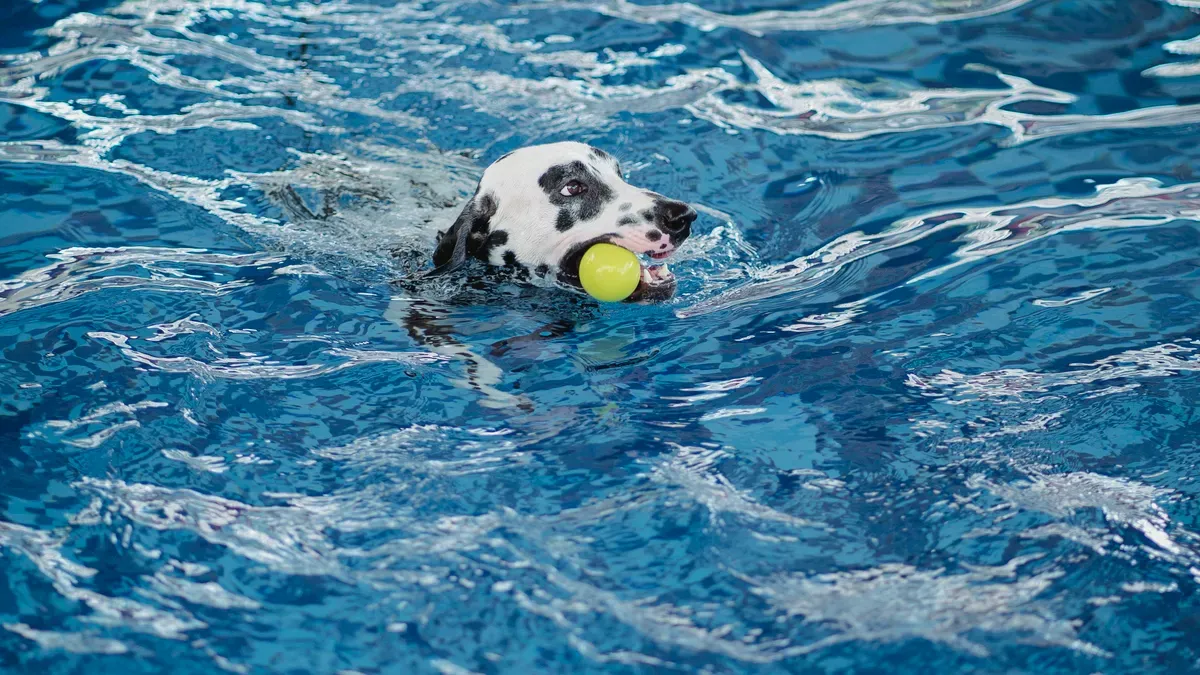
When I toss a floating dog ball water toy into the pool or lake, I want it to stay on the surface. Buoyancy makes playtime possible. I’ve noticed that some materials float better than others. For example, natural rubber keeps toys afloat about 90% of the time, while polypropylene only manages 10%. Foam cores also help toys stay on top of the water, so my dog never loses sight of his favorite ball.
Material | Buoyancy Rate |
|---|---|
Natural Rubber | 90% |
Polypropylene | 10% |
Foam Core | N/A |
Durability
I always look for toys that can handle rough play. My dog loves to chew, tug, and chase, so I need something tough. I’ve had great luck with toys like the Puller Dog Toy and Ruffwear Hydro Plane. These use lightweight, buoyant materials that last through many games. The Ruffwear Gnawt-a-Stick stands out because it’s chew-resistant and floats at an angle, making it easy for my dog to grab.
Safety and Non-Toxicity
Safety comes first for me. I check labels for non-toxic materials like 100% natural upcycled rubber, recycled cotton, and wool. These options are free from harmful chemicals and dyes. I feel better knowing my dog’s toy is safe to chew and play with, especially in the water.
Tip: Veterinarians recommend choosing toys made from durable, non-toxic materials and always picking the right size for your dog.
Visibility and Retrieval
Bright colors and unique shapes make a big difference. I pick toys that stand out against the water, so my dog can spot them easily. High-visibility toys like the Ruffwear Hydro Plane help my dog retrieve his ball quickly, keeping the game going. I also appreciate toys that are easy to clean, since water play can get messy fast.
Best Materials for Floating Dog Ball Water Toys
EVA Foam
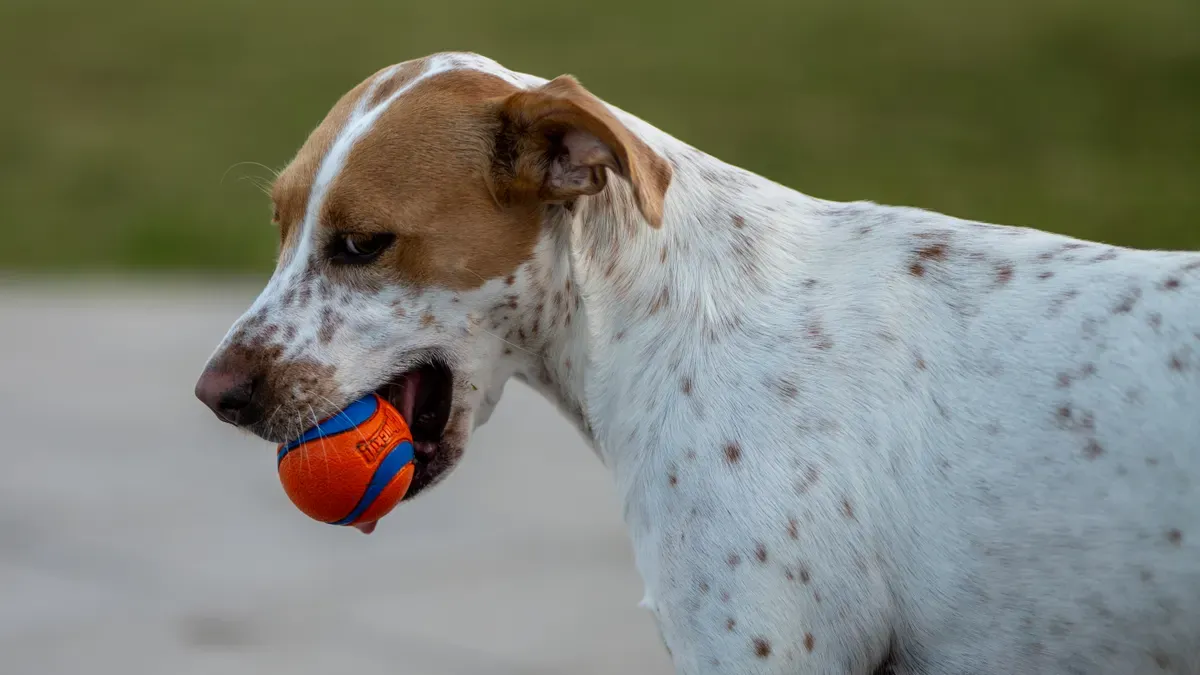
I love EVA foam for floating dog ball water toys. This material feels lightweight and soft, so my dog can grab it easily. EVA foam floats really well because it has a closed-cell structure that traps air. I notice that even after hours of play, the toy stays on the surface. It doesn’t soak up water, so it dries fast and doesn’t get heavy. EVA foam resists chewing better than most foams, but strong chewers can still leave marks. I always check for any damage after play. The foam is non-toxic and easy to clean. I just rinse it off and let it air dry. EVA foam works best for gentle to moderate chewers who love water games.
Tip: If your dog likes to fetch in the pool, EVA foam balls are a safe and reliable choice.
Ballistic Nylon
Ballistic nylon stands out for its toughness. I use floating dog ball water toys made from this material when my dog gets extra rowdy. Ballistic nylon resists tearing and punctures, so it lasts longer than regular fabric. It’s not as buoyant as foam or rubber, but many toys use a foam core inside the nylon shell to help them float. I find that ballistic nylon dries quickly and doesn’t hold odors. It’s safe for dogs because it doesn’t contain harmful chemicals. However, if the toy gets damaged, loose threads can appear. I always inspect the toy and trim any frayed edges. Ballistic nylon works well for dogs who love to tug and chew.
BPA-Free Natural Rubber
BPA-free natural rubber is my go-to for durability. This material feels firm and bouncy, so it’s perfect for fetch. Rubber floats well, especially when shaped as a ball or stick. I like that it’s safe for dogs and free from toxic chemicals like BPA. Natural rubber stands up to strong jaws and rough play. I’ve used floating dog ball water toys made from recycled rubber, and they last through many games. Rubber is easy to clean. I just wipe it down or rinse it after water play. Some rubber toys can get slippery when wet, so I look for textured surfaces that help my dog grip the ball.
Note: Always choose BPA-free rubber to avoid exposing your dog to harmful substances.
Other Materials (Rubber, Neoprene, Fabric)
I’ve tried floating dog ball water toys made from neoprene and fabric. Neoprene impresses me with its buoyancy and durability. It has a closed-cell structure that traps air, so the toy floats even after many uses. Neoprene stays flexible and doesn’t absorb much water. In my experience, neoprene toys last longer and keep their shape. Dogs wearing neoprene vests stay afloat longer and don’t tire as quickly. Even after 200 uses, neoprene maintains almost all its buoyancy.
Fabric-only toys, especially nylon, don’t float as well. Nylon absorbs water and loses buoyancy after a short time. I noticed that nylon toys sink faster and wear out sooner. Here’s a quick comparison:
Material | Buoyancy Level | Water Absorption | Durability |
|---|---|---|---|
Neoprene | ★★★★★ | 0–3% | ★★★★★ |
Nylon (Fabric-only) | ★☆☆☆☆ | 15–25% | ★★★☆☆ |
Neoprene offers superior buoyancy because it traps air inside.
It keeps its structure and floats even after heavy use.
Neoprene feels flexible and provides some insulation, which helps during cooler water play.
Rubber remains a solid choice for floating dog ball water toys. It floats well and resists chewing. I prefer rubber balls for dogs who love to fetch and chew. Fabric-only toys work for gentle dogs, but I avoid them for strong chewers.
Callout: For the best mix of buoyancy and durability, I recommend neoprene or rubber. If your dog loves to swim and fetch, these materials keep the game going longer.
Safety Tips for Floating Dog Ball Water Toys
Avoiding Toxic Materials
I always check the label before buying a new toy. I want to make sure the material is safe for my dog. I avoid toys with BPA, lead, or other harmful chemicals. If I see a toy without a safety certification, I skip it. I look for products that say “non-toxic” or “BPA-free.” Sometimes, I ask my vet for recommendations. I trust brands that use natural rubber or EVA foam. These materials keep my dog safe during water play.
Tip: If you’re unsure about a toy’s safety, rinse it before use and watch for any allergic reactions.
Monitoring Wear and Tear
I inspect my floating dog ball water toys after every play session. I check for cracks, loose threads, or missing pieces. If I spot damage, I retire the toy right away. Broken toys can cause choking or injuries. I keep a spare ball handy so playtime never stops. I also clean toys regularly to prevent mold and bacteria.
Practice retrieving toys in shallow water first.
Teach your dog how to safely enter and exit the water.
Use a flotation device if your dog is new to swimming.
Choosing the Right Size
Picking the right size matters a lot. I choose toys that are bigger than my dog’s mouth. This helps prevent choking hazards. I avoid small balls for large dogs and oversized toys for small breeds. I always supervise my dog while playing. If you’re not sure about the size, check the manufacturer’s guide.
Dog Size | Recommended Toy Size |
|---|---|
Small | 2–2.5 inches |
Medium | 2.5–3 inches |
Large | 3–4 inches |
Callout: Choosing the correct size reduces choking risks and keeps water play safe.
Maintenance and Care
Cleaning and Drying
I always clean my dog’s floating ball toys after every water play session. This keeps them safe and fresh. I use a few different methods to get rid of bacteria:
I toss tough toys in the washing machine. I put them in a mesh laundry bag and use a pet-safe cleaner. I set the machine to a gentle cycle with cold water. Sometimes, I add a splash of vinegar to fight odors.
For quick cleaning, I wash toys by hand. I use warm water and mild soap. I scrub the dirtiest spots with a brush.
When I want a natural solution, I mix vinegar and baking soda. This combo kills germs and keeps the toy smelling clean.
After washing, I always let the toys air dry completely. Wet toys can grow mold fast.
Storage Tips
I learned that proper storage keeps toys in good shape. Right after play, I rinse toys if my dog swam in saltwater or a pool. This stops chemicals from breaking down the material. I dry toys in the shade, not in the sun. Sunlight can make rubber and foam crack. I store dry toys in a cool spot, away from heat and light. During winter, I use sealed containers to keep toys flexible and dust-free.
Tip: I check toys every week for tears or missing pieces. Early checks prevent accidents.
When to Replace
I replace floating dog ball toys when I see cracks, loose seams, or missing chunks. If a toy looks worn out, I toss it. Safe play matters more than squeezing out a few extra games. I keep a backup toy ready so my dog never misses out on fun.
Choosing the Right Floating Dog Ball Water Toy
Matching Material to Your Dog
When I pick out a floating dog ball water toy, I always think about my dog’s unique needs. Every dog is different. Some love to chew, while others just want to chase and fetch. I look at my dog’s size and play style before I choose a material. Here are a few things I consider:
I pick a ball that fits my dog’s mouth. This helps prevent choking and makes play safer.
For strong chewers, I go with tough materials like natural rubber or ballistic nylon. These last longer and stand up to rough play.
If my dog is new to water toys, I start with simple designs. As he gets better at fetching, I try toys with more features.
I like toys that have bright colors, fun textures, or even squeakers. These keep my dog interested and excited.
I also think about where we play. For outdoor games, I choose toys that resist weather and are easy to spot in the water.
Balancing Safety and Fun
I want my dog to have fun, but I never forget about safety. I always check that the toy is made from non-toxic materials and meets safety standards. Here’s what I do to keep playtime safe and enjoyable:
I make sure the toy matches my dog’s size and how he likes to play.
I watch my dog during play. If he looks tired or frustrated, I give him a break.
I check toys for cracks or loose parts before each game. If I see damage, I replace the toy right away.
After every swim, I rinse the toy to get rid of chlorine or salt. Then I dry it before putting it away.
Tip: The right floating dog ball water toy keeps your dog happy, safe, and ready for the next splashy adventure!
Picking the right material for floating dog ball toys keeps playtime safe and fun. I always look for buoyancy, durability, and easy cleaning. Here’s what helps me choose the best toy for my dog:
I match the ball size to my dog’s mouth.
I pick tough materials for strong chewers.
I watch how my dog plays and try different types.
I check toys often and replace them if they show damage.
Regular checks and the right material make every splash a happy one!
FAQ
How do I know if a floating dog ball toy is safe?
I always check for “BPA-free” or “non-toxic” labels. I avoid toys with strong chemical smells or loose parts.
Can I use these toys in saltwater?
Yes! I rinse the toy with fresh water after each use. This helps prevent damage from salt and keeps the toy lasting longer.
What should I do if my dog chews off a piece?
I remove the toy right away.
I check my dog’s mouth for injuries.
I replace the toy with a new one.
