
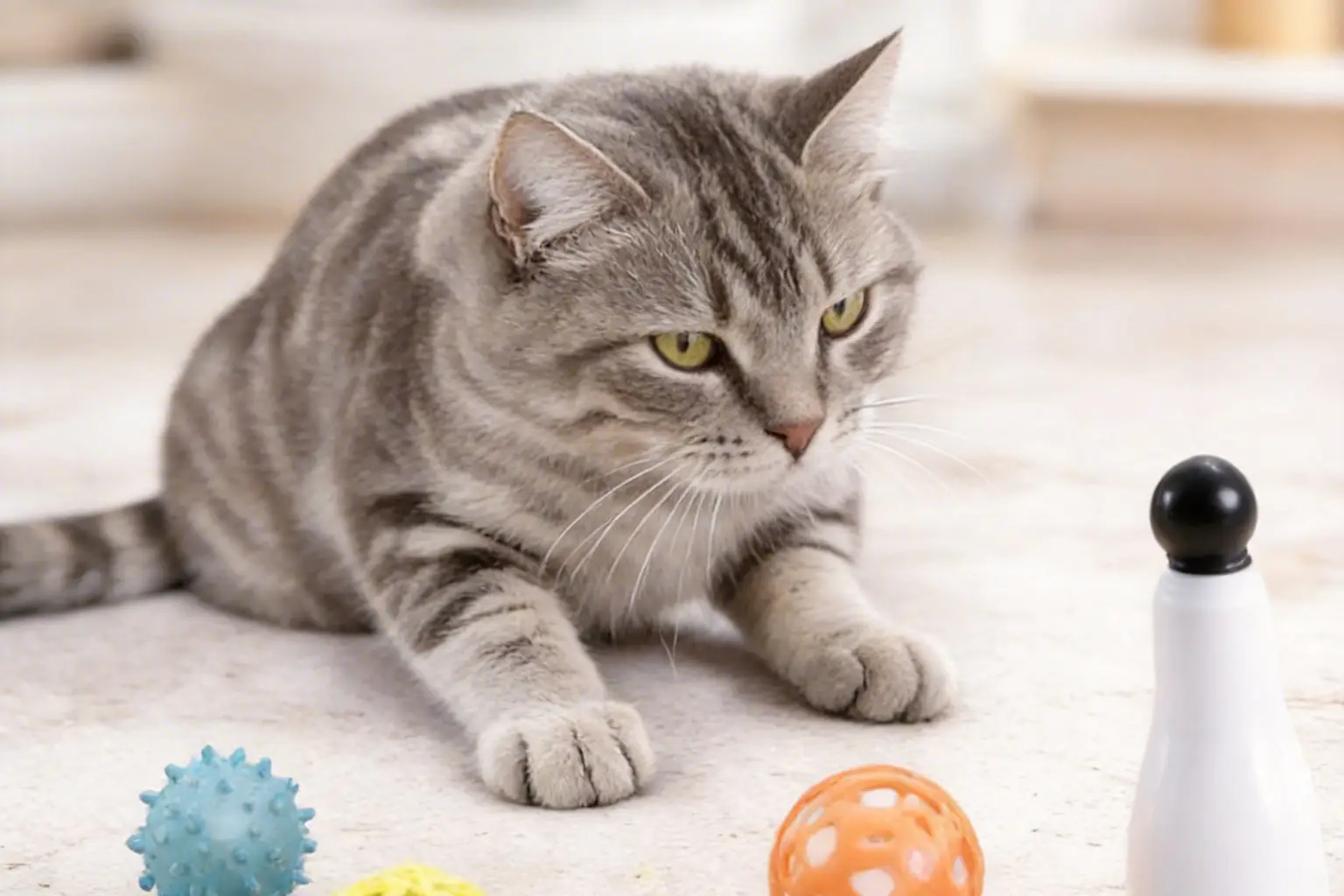


Custom logo dog chew toy branding is simple with the right approach. Many brands focus on unique shapes, sizes, and colors to help their dog toys stand out. Pet owners love products that match their dog’s personality. Social media trends show that custom logo dog chew toy options boost engagement. The market for custom logo dog chew toy products grows fast as companies create breed-specific designs. A custom logo dog chew toy gives your dog a special experience and helps your brand get noticed. Even younger dog owners want personalized toys, making custom logo dog chew toy branding a smart move.
Key Takeaways
Custom logo dog chew toys enhance brand recognition. Unique designs and colors help your products stand out in a crowded market.
Building customer loyalty is key. Engaging with pet owners through personalized experiences, like sending birthday cards, can turn one-time buyers into loyal fans.
Choosing the right branding method matters. Options like embossed and laser-engraved logos offer durability, while pad printing and heat transfer allow for colorful designs.
Dog toy branding benefits
Marketing & brand recognition
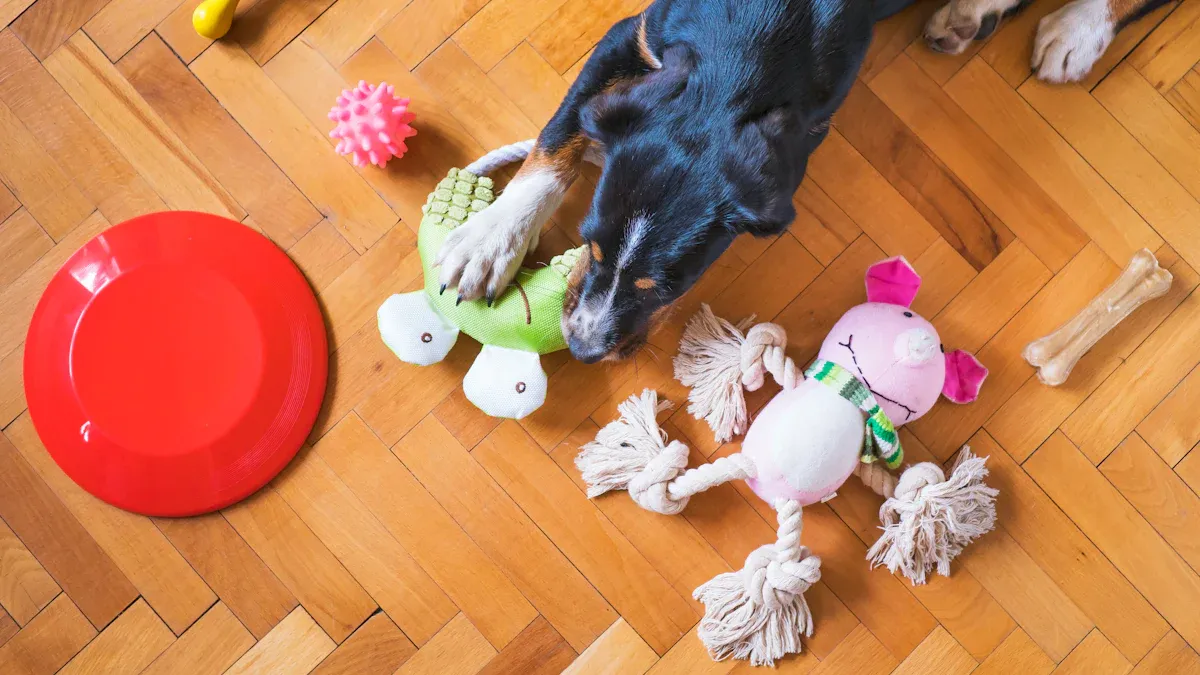
Branding a dog toy does more than just add a logo. It helps your business stand out in a crowded market. When you create a unique dog toy design, you give pet owners something special to remember. Many brands use custom shapes, colors, and features to make their dog toys pop. A creative design can turn a simple dog toy into a must-have item for dog lovers.
Take a look at how different trends boost brand recognition:
Trend | Benefit for Branding |
|---|---|
Tailored Products for Unique Pets | Builds emotional connections, leading to more loyalty and recognition. |
Focus on Pet Well-being | Shows your brand cares about health, attracting dog owners who want the best for their pets. |
Integrating Pet Products with Home Decor | Appeals to buyers who want stylish dog toys that fit their home. |
Innovate with Customization Options | Makes your brand stand out, increasing visibility and recognition. |
Prioritize Health and Safety Features | Builds trust and improves your brand’s reputation. |
Embrace Aesthetic Appeal | Attracts buyers who love stylish dog toy designs. |
Explore Subscription Models | Creates steady sales and keeps your brand in front of dog owners. |
Customer loyalty
A branded dog toy can turn a one-time buyer into a loyal fan. When a dog loves to play with a certain toy, owners remember the brand. Some companies send birthday cards to dogs, making pet owners feel like part of a community. Others offer support across many channels, so dog owners always get help when they need it. Brands that listen to feedback and improve their dog toy design show they care about their customers.
Example | How It Builds Loyalty |
|---|---|
Makes owners feel special, encouraging repeat purchases. | |
Omnichannel customer support | Solves problems fast, building goodwill with dog owners. |
Acting on customer feedback | Shows the brand values opinions, leading to stronger loyalty and more playtime with your dog toy. |
Custom dog toy branding is more than just a logo. It’s about creating a design that makes dogs and their owners want to play again and again. The right dog toy can boost your brand’s visibility and keep customers coming back for more.
Custom logo dog chew toy branding methods
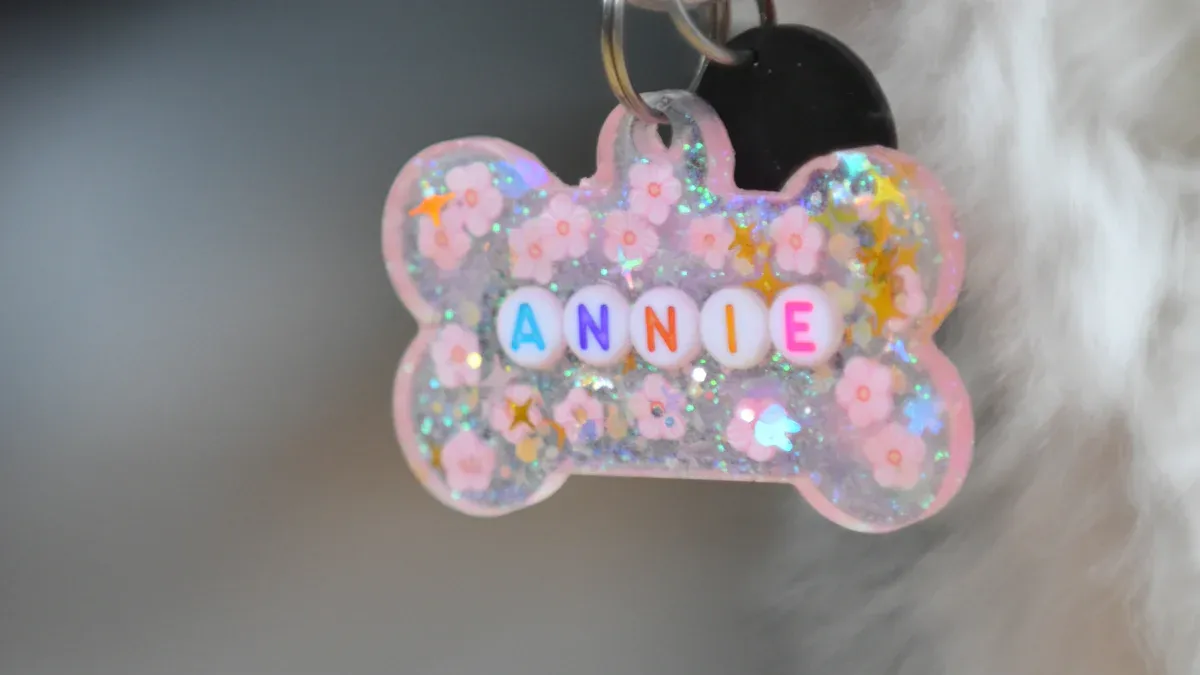
Choosing the right branding method for your custom logo dog chew toys can make your products stand out. Each method has its own look and feel. Some work better for natural rubber, while others fit plastic or silicone. Let’s break down the most popular options and see how they work for your interactive chew toys.
Embossed logos
Embossed logos are a favorite for natural rubber dog chew toys. This method raises your logo above the surface of the toy. It gives a bold, tactile feel that both dogs and owners notice. Embossed logos last a long time, even with heavy chew action. Placement matters here. You want your logo to be visible but not weaken the toy’s structure. Many brands use this method for interactive toys because it holds up to rough play and chewing.
Pad printing
Pad printing uses a silicone pad to transfer ink onto the toy. This method works well for adding colorful logos to plastic or rubber chew toys. It’s great for detailed designs and can handle curved surfaces. Pad printing is common for interactive toys that need a pop of color. Always check that the inks are non-toxic and safe for dogs. Some manufacturers use food-grade inks to meet safety standards.
Screen printing
Screen printing pushes ink through a mesh screen onto the toy’s surface. This method is good for simple, bold logos on flat or slightly curved chew toys. It’s cost-effective for large batches. Screen printing is less common for natural rubber, but you’ll see it on some interactive toys made from other materials. Make sure the inks meet safety requirements, especially for chew toys that get a lot of mouth time.
Heat transfer
Heat transfer uses heat and pressure to apply a logo to the toy. This method creates bright, detailed images that stick well to plastic or silicone. It’s not as common for natural rubber chew toys, but it works for interactive toys with smooth surfaces. Always ask about the safety of the transfer materials. Look for products that use food-safe adhesives and inks.
Laser engraving
Laser engraving burns your logo into the toy’s surface. This method works best on hard materials like wood or thick rubber. It creates a permanent, clean look that won’t fade, even with lots of chew action. Laser engraving is a top choice for interactive toys that need extra durability. There are no inks involved, so safety is less of a concern. Still, make sure the base material is non-toxic for dogs.
Molded logos
Molded logos are built right into the toy during manufacturing. This method works well for both embossed and debossed designs. Molded logos are common for natural rubber chew toys because they last as long as the toy itself. You get a clean, professional look that stands up to interactive play and chewing. Logo placement is important to keep the toy strong and safe.
Tip: Always ask your manufacturer about the safety of inks, adhesives, and materials. Look for certifications like FDA (U.S.) or LFGB (Europe) to make sure your interactive chew toys are safe for every dog.
Here’s a quick look at key safety considerations for branded chew toys:
Safety Consideration | Description |
|---|---|
Non-toxic Materials | Food-grade silicone is non-toxic and FDA-compliant, so no harmful chemicals leach out when dogs chew or play. |
Safety Certifications | Look for certifications like FDA (U.S.) and LFGB (Europe) to verify your toy meets safety standards. |
Compliance with Standards | Materials should align with standards like EC 1935/2004 and EN71 for extra peace of mind. |
Safety rules can change depending on where you sell your dog chew toys:
Region | Safety Standards Overview |
|---|---|
United States | Minimal federal regulations; manufacturers often set their own safety standards for chew toys. |
European Union | Strict rules like REACH and EN 71 cover chemicals and toy safety for interactive chew toys. |
No federal safety rules just for pet toys.
Many brands set their own safety standards.
EU Regulations:
REACH covers chemicals in chew toys.
EN 71 is a tough toy safety standard for interactive products.
When you pick a branding method, always think about safety, durability, and how your logo will look after lots of chew sessions. The right choice will help your dog toys shine in a busy market.
Branding methods comparison
Embossed logos pros & cons
Embossed logos stand out—literally. The logo rises above the surface of the dog toy, creating a tactile effect that both owners and dogs notice. This method works well for natural rubber and silicone. It is a favorite for brands that want a durable and long-lasting mark.
Pros:
Extremely durable. The logo does not fade, chip, or wear away, even with heavy chewing.
No inks or adhesives, so it is safe for every dog.
Gives a premium, professional look.
Cons:
Limited to single-color or the base color of the toy.
More complex to change designs once the mold is made.
Higher upfront cost for custom molds, but cost per toy drops with larger orders.
Best for: Brands that want a durable, permanent logo and plan to order in bulk.
Pad printing pros & cons
Pad printing uses a silicone pad to transfer ink onto the toy. It is popular for adding colorful logos to plastic or rubber dog toys. This method handles curved surfaces well and allows for detailed designs.
Pros:
Great for multi-color logos and fine details.
Works on many shapes and materials.
Lower setup cost than molding.
Cons:
Not as durable as embossed or laser engraved logos. The print can fade, chip, or wear off with heavy use.
Inks must be non-toxic and safe for dogs.
May require touch-ups for long-lasting appearance.
Logo Type | Durability Description |
|---|---|
Pad Printed | Generally lower durability; can fade, chip, or wear over time with heavy use. |
Embossed | Permanent and resistant to abrasion; does not fade or chip. |
Laser Engraved | Permanent and wear-resistant; remains unaffected by wear and tear, does not peel or fade. |
Best for: Brands that want colorful, detailed logos on smaller batches or promotional toys.
Screen printing pros & cons
Screen printing pushes ink through a mesh screen onto the toy’s surface. It is a classic method for bold, simple logos.
Pros:
Cost-effective for large batches.
Good for simple, single-color designs.
Works on flat or slightly curved toys.
Cons:
Not as durable as molded or laser engraved logos. The print can fade or wear off with chewing.
Limited detail compared to pad printing.
Inks must be safe for dogs.
Best for: Brands looking for affordable, bold branding on large runs of toys.
Heat transfer pros & cons
Heat transfer uses heat and pressure to apply a logo to the toy. This method creates bright, detailed images and works best on smooth plastic or silicone.
Pros:
High-quality, full-color images.
Good for complex or photo-like designs.
Fast turnaround for small to medium batches.
Cons:
Not as durable as embossed or laser engraved logos. The image can peel or fade with chewing.
Adhesives and inks must be food-safe for dogs.
Works best on smooth, flat surfaces.
Best for: Brands that want eye-catching, colorful logos for limited edition or seasonal toys.
Laser engraving pros & cons
Laser engraving uses a focused beam to burn the logo into the toy’s surface. This method is known for its clarity and durability.
Laser engraving is permanent and does not peel, fade, or wash away.
The logo lasts a lifetime, making it ideal for dog chew toys.
Lasers reproduce designs with microscopic detail, ensuring high clarity.
The non-contact nature of laser engraving prevents material warping.
Engraving ensures that the brand remains visible and intact over time, unlike screen-printed logos that can fade.
Pros:
Most durable option. The logo stays sharp and clear, even after years of chewing.
No inks or chemicals, so it is safe for every dog.
Works well for detailed designs.
Cons:
Limited to the color of the base material.
Higher cost for small batches.
Best for hard materials like thick rubber or wood.
Best for: Brands that want a durable, permanent logo with high detail and clarity.
Molded logos pros & cons
Molded logos are built right into the toy during manufacturing. This method can create both embossed and debossed effects.
Custom pigments can be mixed into silicone to match nearly any Pantone shade.
Multi-color effects can be achieved through multi-shot injection molding or painting processes.
Consistent color across batches is ensured by tightly controlling pigment concentrations.
Different finishes (matte or glossy) and visual textures can enhance branding.
Pros:
Extremely durable. The logo lasts as long as the toy itself.
Full control over color matching and finish.
Professional, seamless look.
Cons:
High upfront cost for custom molds.
Design changes require new molds.
Best suited for larger production runs.
Best for: Brands that want a durable, custom look with precise color matching and are ready to invest in larger orders.
Tip: If you want a durable logo that stands up to chewing, embossed, laser engraved, and molded logos are your best bet. For colorful designs, pad printing and heat transfer offer more options, but may not last as long on a dog toy.
Comparison table: custom logo dog chew toy branding
Choosing the right branding method for your dog chew toy can feel overwhelming. Here’s a quick guide to help you compare the most important factors. This way, you can pick the best fit for your brand and your customers.
Durability
High-quality toys with embossed, molded, or laser engraved logos last the longest. These methods keep your logo looking sharp, even after lots of play. Customers often rate these toys higher because they stay in great shape and keep dogs safe.
Appearance
If you want a colorful or detailed logo, pad printing and heat transfer work well. These methods let you add bright designs to your toy. Embossed and molded logos give a classic, high-quality look, but usually stick to one color. Laser engraving creates a clean, professional finish.
Cost
Embossed and molded logos have higher upfront costs due to custom molds, but the price per toy drops with bigger orders.
Pad printing and screen printing are more budget-friendly for small runs.
Laser engraving costs more for small batches but pays off with high-quality results.
Minimum order
Here’s what leading manufacturers require for custom logo dog chew toys:
Manufacturer | |
|---|---|
Lucky Venus | 500–1,000 pieces |
Brilliant Pet | 100 to 1,000 pieces |
Cassco Bio | Low minimum run sizes |
Eco-friendliness
Many brands now focus on eco-friendly materials and processes for high-quality toys. Companies like West Paw and Beco Pets use recycled or biodegradable materials. Puurfect Play and Honest Pet Products offer organic and non-toxic options, which appeal to dog owners who care about sustainability.
Company | Environmental Initiatives |
|---|---|
West Paw | Uses recycled materials for durable toys |
Beco Pets | Offers natural and biodegradable products |
Puurfect Play | Focuses on organic, non-toxic, and ecological toys |
Honest Pet Products | Uses transparent, sustainable materials |
Note: High-quality toys made from natural rubber or sustainable materials get better customer reviews. Many dog owners, especially millennials, are willing to pay more for quality and eco-friendly choices.
Dog toy brands: choosing the right method
Factors to consider
Choosing the best branding method for your pet business starts with knowing your goals and your customers. Think about how your logo will look after lots of chewing and interactive play. Some methods, like embossed or molded logos, create long-lasting chew toys that keep your brand visible. Others, like pad printing, offer bright colors but may fade with heavy chewing.
When branding rubber dog toys, clarity of the logo is crucial. Issues such as unclear embossed logos, shallow debossed details, and poor positioning can detract from the branding effectiveness. It’s recommended to provide vector logo files and consult with manufacturers to ensure the logo’s feasibility on the product.
Dog toy manufacturers can help you avoid common problems, like distorted letters or logos that wear off. Always ask about non-toxic materials and safety-first processes. A safety first approach means your pet toys will be safe for chewing and mental stimulation. Look for manufacturers who offer stable production, quality records, and guidance on sustainable materials.
Custom branding options for dog toys are expanding, allowing businesses to cater to niche markets and communities. This flexibility in branding can significantly enhance market reach and customer engagement.
Matching branding to business goals
Your branding method should match your business mission and the experience you want for pet owners. Here’s a quick guide:
Branding Element | Description |
|---|---|
Strong Brand Image | Excites retailers and pet owners, showing product value. |
Mission | Builds trust and recognition with authenticity. |
Customer Interaction | Online engagement shapes how pet lovers see your brand. |
Visual Identity | Lifestyle photos help customers picture your toys at home. |
Functional Experience | Long-lasting, durable chew toy designs boost satisfaction and mental stimulation. |
Dog toy manufacturers can help with custom orders, material choices, and compliance support. Reach out early to discuss your needs for non-toxic, long-lasting, and interactive play features. The right partner will help you create pet toys that deliver mental stimulation, safe chewing, and a fun experience for every pet.
Custom logo dog chew toy branding is easier than ever. Embossed, molded, and laser-engraved logos last the longest. Ready to start? Here’s a quick path:
Reach out to experts for support!
FAQ
What makes dog toy brands stand out from others?
Dog toy brands stand out by offering unique designs, safe materials, and fun features. Many brands focus on durability and style. Leading brands also listen to customer feedback.
How do brands choose the best method for logo branding?
Brands look at durability, cost, and appearance. Some dog toy brands prefer molded logos for long-lasting results. Others use printing for colorful designs. Leading brands often test different methods.
Are there special options for power chewer toys from dog toy brands?
Yes! Many dog toy brands create power chewer toys with extra-tough materials. These brands design toys to handle strong jaws and lots of playtime.
