


I have seen my puppy find relief with a freezable puppy teething toy. The cold surface soothes sore gums and reduces inflammation.
Frozen chew toys ease teething pain and numb gums.
Cooling toys hydrate puppies who dislike drinking water.
Durable materials keep the toy safe for chewing.
I always choose toys that offer more than pain relief, like cleaning teeth or encouraging appetite.
Key Takeaways
Freezable puppy teething toys provide cooling relief for sore gums, helping to numb pain and reduce inflammation during teething.
Choosing toys with textured surfaces not only soothes gums but also helps clean teeth, promoting better oral health for your puppy.
Always select non-toxic, durable materials for teething toys and regularly inspect them to ensure your puppy’s safety while chewing.
Do Freezable Puppy Teething Toys Work
Cooling Relief for Sore Gums
When my puppy started teething, I noticed how much he wanted to chew on everything. I tried different toys, but nothing worked as well as a freezable puppy teething toy. The cold sensation from these toys numbs the gums and brings instant comfort. Puppies often feel pain and irritation during teething, and the cooling effect helps distract them from the discomfort.
I have compared freezable puppy teething toys to traditional teething toys. Here is what I found:
Freezable puppy teething toys, such as KONG Puppy products, give a cold sensation that numbs and soothes sore gums.
Traditional teething toys do not provide this cooling effect, so they cannot relieve discomfort as effectively during the teething phase.
I always keep a few toys in the freezer. When my puppy starts chewing on furniture or shoes, I offer him a cold toy. He calms down quickly and seems much happier.
How Cold Reduces Inflammation
The science behind these toys makes sense to me. Cold temperatures help reduce swelling and pain. When my puppy chews on a freezable puppy teething toy, the cold surface soothes his irritated gums. The cooling effect slows down blood flow to the area, which helps decrease inflammation and swelling.
Experts recommend using these toys to manage gum pain in puppies. I have seen the benefits firsthand:
Freezable toys provide cooling relief to puppies.
The cooling effect soothes irritated gums during teething.
Many veterinarians recommend these toys for managing gum pain in puppies.
I trust these toys because they work quickly and safely. My puppy gets relief, and I feel confident knowing I am helping him through a tough stage.
How Freezable Puppy Teething Toys Help
Cleaning Teeth with Textured Surfaces
I always look for a freezable puppy teething toy with textured surfaces. These textures do more than just soothe sore gums. They help keep my puppy’s teeth clean. When my puppy chews on these toys, the textured bumps and ridges scrub his teeth. This mechanical action removes plaque and helps prevent tartar buildup. I have noticed that my puppy’s breath smells fresher after regular use.
Textured surfaces provide a scrubbing action that removes plaque.
Chewing stimulates the gums and supports oral health.
Dental toys like the Nylabone DuraChew and Petstages Dental Chew Toys use special textures to tackle plaque and tartar.
I see the difference in my puppy’s smile. His teeth look cleaner, and he seems to enjoy the chewing process. I believe that using a freezable puppy teething toy with the right texture can make a big impact on dental hygiene.
Tip: I sometimes soak the toy in water or low-sodium broth before freezing. This extra step makes the toy even more soothing and helps clean the teeth as my puppy chews.
Boosting Appetite in Hot Weather
Hot weather often makes my puppy lose interest in food. I learned that high temperatures can reduce a puppy’s appetite. I noticed that when I give him a freezable puppy teething toy, he perks up and becomes more active. The cool sensation from the toy helps him feel comfortable, especially during summer.
Cooling toys can ease discomfort from teething, which may help improve appetite.
Puppies often eat better when they feel less pain and stay cool.
I like to offer a frozen toy before mealtime. My puppy chews on it, cools down, and then shows more interest in his food. This simple routine keeps him hydrated and encourages healthy eating habits.
Note: Soaking the toy before freezing not only enhances the cooling effect but also adds flavor, making the toy more appealing and refreshing for my puppy.
By choosing the right freezable puppy teething toy, I help my puppy stay comfortable, keep his teeth clean, and support his appetite—even on the hottest days.
Safe Materials for Puppy Teething Toys
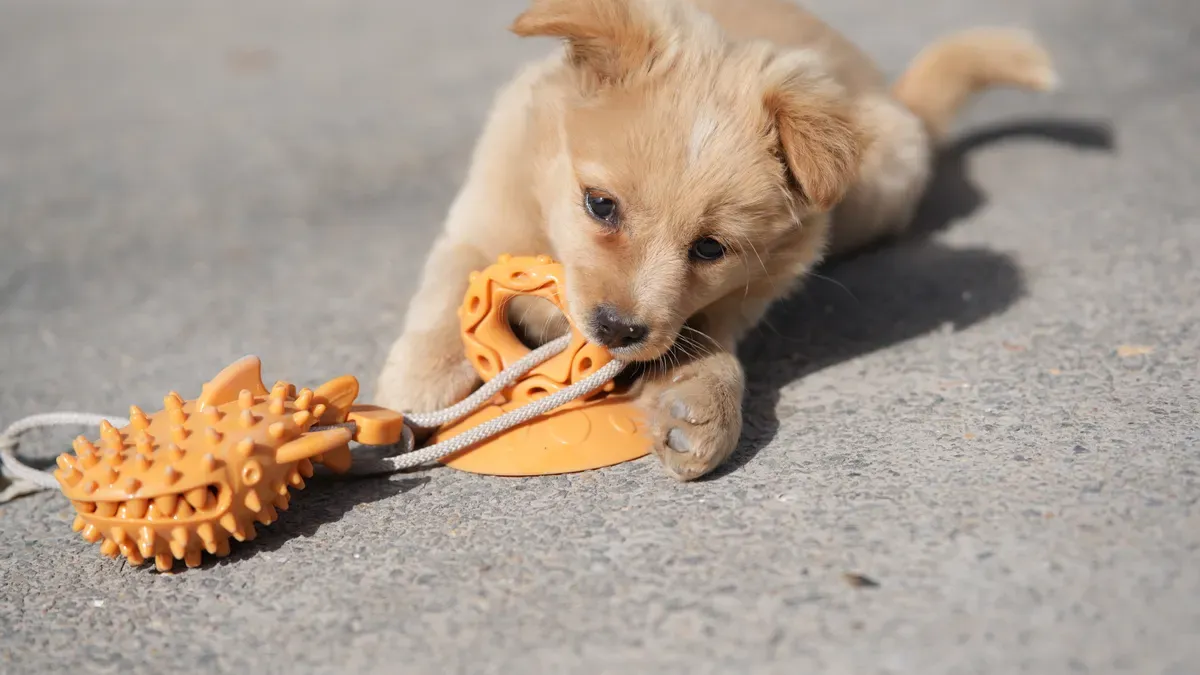
BPA-Free Rubber and TPR
I always check the label before buying a puppy teething toy. Safe materials matter to me because puppies chew and sometimes swallow small bits. I look for toys made from BPA-free rubber or thermoplastic rubber (TPR). These materials feel soft but stay strong during chewing. Many brands use FDA-approved, food-grade rubber. This means the toy is safe if my puppy ingests tiny pieces.
I trust toys that meet strict safety standards. Some brands follow EN 71, the European Toy Safety Standard. Others test their products against ASTM F963, the U.S. Toy Safety Standard. These standards cover mechanical strength and chemical safety.
FDA-approved, food-grade rubber
BPA- and phthalate-free materials
EN 71 and ASTM F963 compliance
Unsafe materials can cause health problems. BPA disrupts hormones and slows development. Phthalates affect growth and breathing. PVC sometimes contains lead, which lowers IQ and delays development. Formaldehyde can irritate skin and cause breathing issues.
Phthalates: Growth and respiratory issues
PVC: Lead exposure, lower IQ
Formaldehyde: Skin irritation, respiratory problems
Tip: I avoid toys with strong chemical smells or unclear material labels.
Water-Filled and Gel-Filled Options
I sometimes choose water-filled or gel-filled teething toys for my puppy. These toys offer extra cooling relief. I make sure the outer shell uses BPA-free plastic or TPR. If the toy breaks, I want to know the filling is non-toxic and safe.
Water-filled toys feel lighter and freeze quickly. Gel-filled toys stay cold longer. I check for leak-proof designs and sturdy seams. I never leave my puppy alone with a damaged toy.
Material | Cooling Effect | Safety Feature |
|---|---|---|
Water-Filled | Quick Freeze | Non-toxic, BPA-free |
Gel-Filled | Lasts Longer | Leak-proof, BPA-free |
I believe safe materials protect my puppy’s health and make teething easier. I always read the packaging and choose trusted brands.
Types of Freezable Puppy Teething Toys
Rubber and Silicone Toys
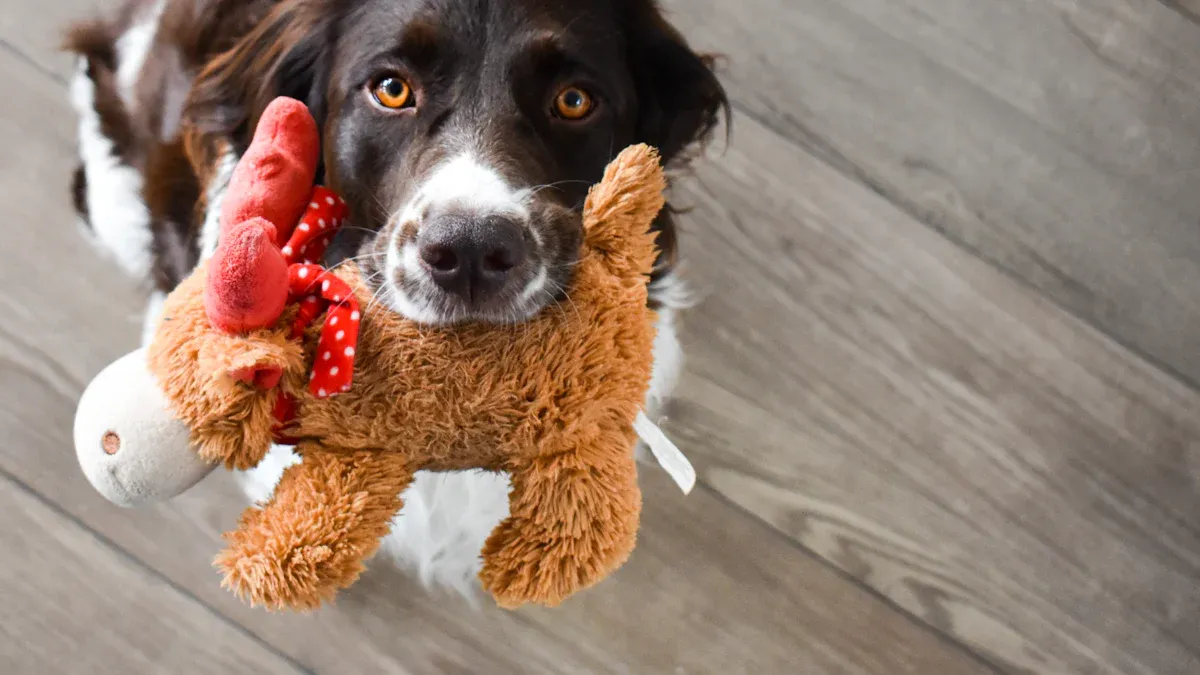
I often choose rubber and silicone toys for my puppy. These toys feel tough and flexible. I noticed that rubber toys like the West Paw Zogoflex Hurley bounce well and withstand strong chewing. Silicone toys stay soft after freezing. I like that these toys clean easily. I wash them in the dishwasher or rinse them under running water. Puppies enjoy chewing on these toys because the cold surface soothes their gums.
Fabric and Plush Toys
Fabric and plush toys offer a gentle option for teething puppies. I sometimes use toys made from soft fabric or plush material. These toys absorb water when soaked, then freeze quickly. My puppy likes the Smart Pet Love Snuggle Puppy. This toy comforts him with a heartbeat feature. Plush toys feel cozy and help puppies relax. I always check for strong stitching to prevent tearing.
Popular Picks and Price Range
I compared several freezable puppy teething toys before making my choice. Here are some popular options and their prices:
West Paw Zogoflex Hurley: $9.56
Smart Pet Love Snuggle Puppy: $20.99
West Paw Zogoflex Toppl: $20.99
I found that most toys cost between $2 and $30. I select toys based on durability and comfort. I believe that choosing the right freezable puppy teething toy helps my puppy feel better and stay safe.
Choosing the Best Freezable Puppy Teething Toy
Size, Durability, and Safety
I always check the size of a teething toy before buying it. A toy that fits my puppy now might become unsafe as he grows. I make sure the toy is longer than his muzzle and not small enough to fit between his back molars. This helps prevent choking. I avoid toys that are too heavy or hard, since they can damage developing teeth. I look for toys labeled specifically for puppies.
When I select a toy, I consider these five criteria:
Material safety: I choose toys made from nontoxic, BPA-free, and phthalate-free materials. Sharp edges are a red flag.
Teething performance: The toy must soothe gums and survive repeated chewing.
Breed fit: I match the toy to my puppy’s size and chewing strength.
Ease of use: I prefer toys that are easy to clean and grip.
Value: I pick toys that are accessible and reasonably priced.
Tip: Bigger is always safer than too small. When in doubt, I size up.
Tips for Use and Maintenance
I follow a routine to keep my puppy’s teething toys safe and fresh:
Rinse the toy thoroughly and fill with water or low-sodium broth if needed.
Freeze for at least two hours until fully chilled.
Offer the toy for 10–20 minutes under supervision.
Collect, rinse, and inspect for damage after each use.
Wash with warm, soapy water, air dry, and re-freeze.
I rotate two or three toys daily to keep things interesting and hygienic. I never refreeze a toy with cracks or deep bite marks. Weekly inspections help me spot any issues early. Using these steps, I keep my puppy’s toys safe and effective.
Expert Advice on Freezable Puppy Teething Toys
Veterinary Recommendations
I always listen to my veterinarian when it comes to my puppy’s health. Vets often share helpful tips for using freezable teething toys safely and effectively. Here are some of the most important recommendations I follow:
I freeze teething toys for one to two hours before giving them to my puppy. This gives the right amount of cooling without making the toy too hard.
I clean the toys regularly. This keeps bacteria and dirt away from my puppy’s mouth.
I choose toys made from safe, non-toxic materials. These toys provide soothing relief and do not put my puppy at risk.
I rotate cold toys with room-temperature chews. This prevents my puppy from getting too cold or uncomfortable.
I supervise every chewing session. I limit playtime with frozen toys to 10–20 minutes.
Tip: My vet reminds me that supervision is key. Puppies can chew off small pieces if left alone.
Safety Tips
I want my puppy to stay safe while he enjoys his teething toys. Experts often warn about the risks of certain chews and offer advice for safer play. I follow these safety tips:
I avoid high-risk chews like bones, rawhide, antlers, and hard nylon bones. These can cause choking or break my puppy’s teeth.
I use the thumbnail test. If I can press my thumbnail into the toy and leave a mark, it is soft enough for my puppy.
I pick durable rubber toys, puzzle feeders, and plush toys for gentle chewers. I always supervise play with plush toys.
I look for dental chews with the VOHC seal. I also use frozen rubber toys or even frozen carrots for teething relief.
I rotate toys and match the toy’s toughness to my puppy’s chewing style. Some toys are only for supervised play.
By following these expert tips, I help my puppy enjoy teething toys safely and comfortably.
I see freezable puppy teething toys soothe gums, clean teeth, and boost appetite. I always choose non-toxic, durable toys and inspect them often. I watch my puppy’s preferences and rotate engaging options.
Safety Tip | Description |
|---|---|
Non-toxic materials | Choose BPA-free, safe rubber or natural fibers. |
Regular inspection | Replace toys if damaged to prevent safety risks. |
FAQ
How long should my puppy chew on a frozen teething toy?
I let my puppy chew for 10–20 minutes. I always supervise and check for signs of discomfort or damage.
Can I freeze any puppy toy?
I only freeze toys labeled as safe for freezing. Some materials crack or become unsafe when frozen.
What should I do if my puppy swallows part of the toy?
Step | Action |
|---|---|
1 | Contact my vet |
2 | Watch for symptoms |
3 | Bring the toy to vet |
