
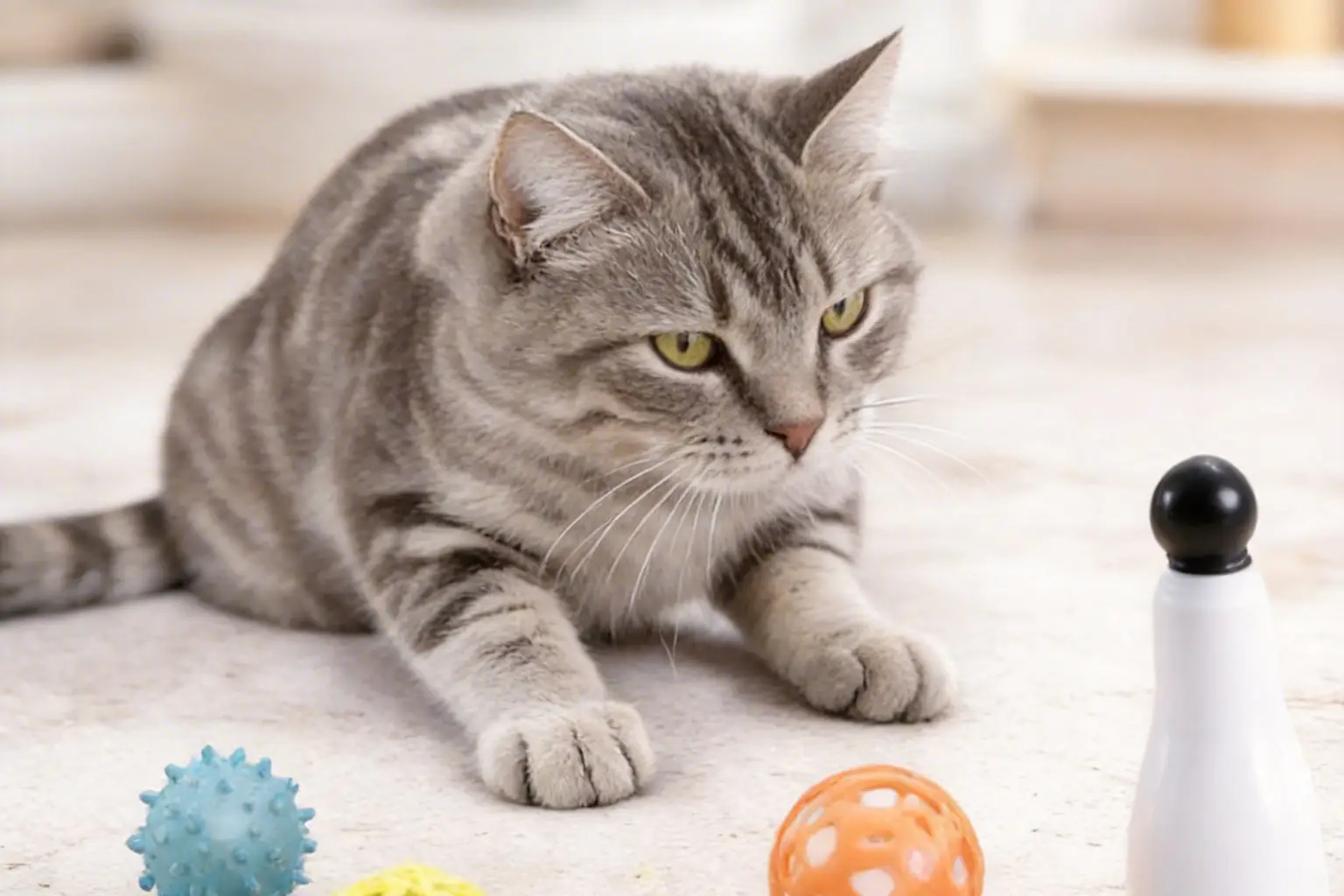


When choosing between TPR vs rubber dog toy options, most experts recommend natural rubber for safety and durability. Natural rubber withstands strong chewers better, while TPR works well for gentle or moderate chewers. Owners should watch for toys with small parts or those that can break off, as these may cause choking or blockages.
Key Takeaways
Natural rubber toys are safer and more durable for strong chewers. They withstand intense biting and do not splinter easily.
TPR toys are ideal for gentle or moderate chewers. They offer flexibility and a soft feel, making playtime enjoyable.
Always supervise your dog with new toys. Regularly inspect toys for damage to prevent choking hazards.
TPR vs Rubber Dog Toy: Main Differences
What Is TPR?
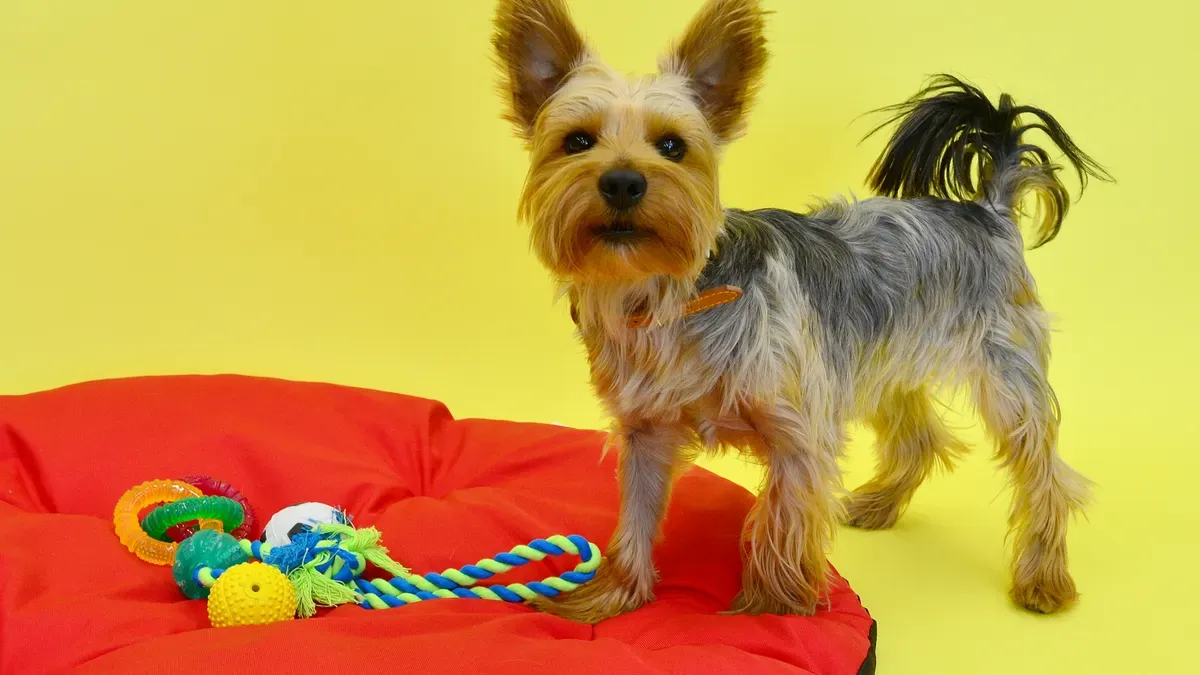
TPR stands for thermoplastic rubber. Manufacturers create TPR by blending plastic and rubber materials. This process gives TPR flexibility and strength. Many dog toys use TPR because it can be molded into different shapes and colors. TPR toys often feel soft and bouncy. They resist tearing and can handle moderate chewing. Factories use automated injection molding to produce TPR toys quickly. This method allows for fast cooling and easy adjustments during production.
What Is Natural Rubber?
Natural rubber comes from the sap of rubber trees. Workers collect the latex and process it into solid rubber. Dog toys made from natural rubber usually contain 100% latex. These toys feel firm but have some give when squeezed. Natural rubber is biodegradable and renewable. The manufacturing process involves manual compression molding. Workers cure the rubber to make it strong and durable. This process takes longer and requires careful quality checks.
Key Differences
The TPR vs rubber dog toy debate centers on material, safety, durability, and suitability. TPR offers design flexibility and quick production. Natural rubber provides eco-friendliness and reliable safety. The table below highlights the main differences:
Feature | TPR (Thermoplastic Rubber) | Natural Rubber |
|---|---|---|
Durability | Highly durable, can withstand heavy chewing | Durable, gives under pressure |
Safety | Generally non-toxic, but quality varies | Safe, made from 100% natural latex |
Cost | Generally cheaper than natural rubber | Higher cost due to sourcing |
Eco-friendliness | 100% recyclable, but synthetic | Biodegradable, renewable material |
Design flexibility | Excellent, can be molded into complex shapes | Limited, requires vulcanization |
Aspect | TPR Manufacturing | Natural Rubber Manufacturing |
|---|---|---|
Method | Automated injection molding | Manual compression molding |
Speed | Fast, with instant cooling and automation | Slower, with manual processes and curing |
Defect Management | Quick adjustments to mold temperature | Requires scrapping entire batches for defects |
Production Time | 3 days for 5,000 units | 8 days for 5,000 units with 4% failure rate |
Most experts prefer natural rubber for dog chew toys. Natural rubber offers better safety and durability, especially for strong chewers. TPR works well for gentle or moderate chewers who enjoy softer toys. Owners should consider their dog’s chewing style when choosing between TPR vs rubber dog toy options.
Tip: Natural rubber toys suit dogs with strong jaws. TPR toys fit dogs who like softer, flexible toys.
Safety Comparison
Chemical Safety
Dog owners often worry about chemicals in chew toys. Manufacturers use different materials for TPR vs rubber dog toy products. Natural rubber toys usually contain fewer synthetic chemicals. Many brands follow strict safety standards to protect pets. The table below lists some important regulations that guide chemical safety in dog toys:
Standard | Description |
|---|---|
ASTM F963 | Ensures lead content is under 100 ppm and no sharp points are present. |
REACH | EU regulation restricting hazardous substances in pet toys. |
CPSIA | Enforces lead and phthalate limits, often followed voluntarily by manufacturers. |
CA Prop 65 | Prohibits chemicals known to cause cancer or birth defects beyond safe levels. |
EN 71 | International toy safety standard. |
ISO 8124 | Global toy safety standard similar to EN71/ASTM. |
Natural rubber toys often meet these standards. TPR toys can vary in quality. Some low-cost TPR toys may contain unwanted chemicals. Buyers should check for safety certifications on packaging.
Choking Risks
Choking remains a concern for all chew toys. Small pieces can break off during play. Natural rubber toys usually hold their shape better under pressure. TPR toys may tear if a dog chews aggressively. Owners should inspect toys regularly and remove damaged ones. Large, solid toys reduce choking risks for most dogs.
Tip: Always supervise dogs with new toys, especially if they are strong chewers.
Allergies
Some dogs react to certain materials. Natural rubber can cause allergies in rare cases. TPR toys rarely trigger allergic reactions, but some additives may cause irritation. Owners should watch for signs like itching or swelling. If a dog shows symptoms, switch to a different material.
Durability
For Strong Chewers
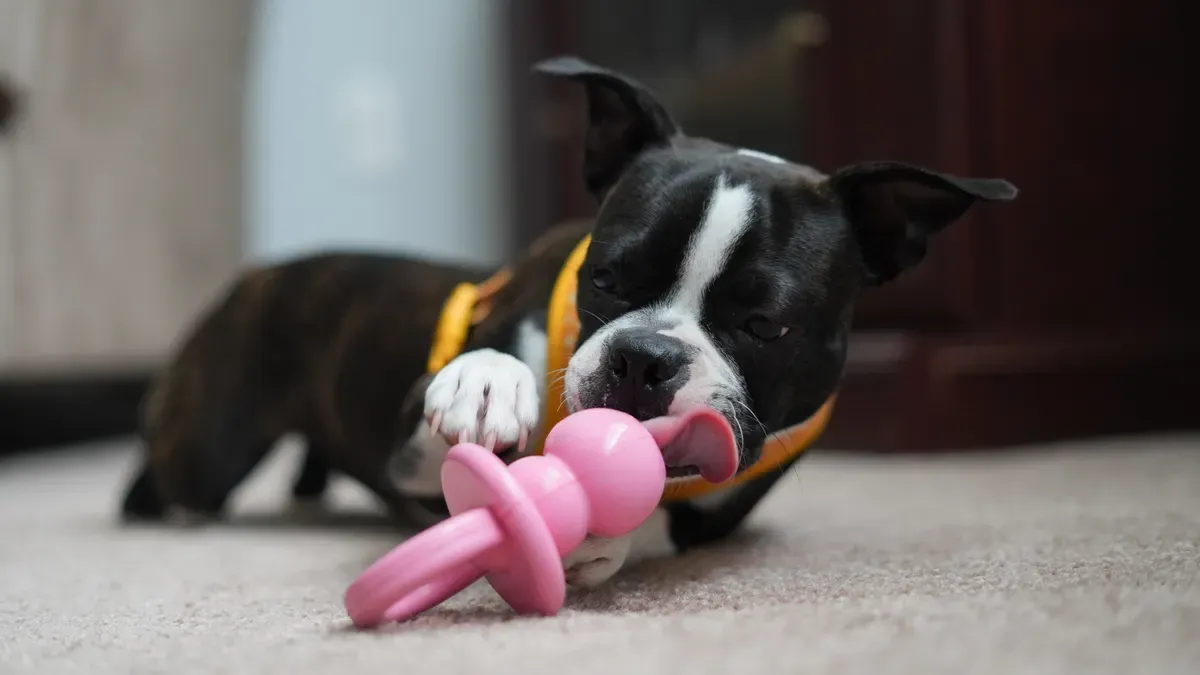
Strong chewers need toys that can handle intense biting and gnawing. Natural rubber stands out for its toughness. It resists punctures and tears, even when dogs use powerful jaws. Many pet owners choose natural rubber toys for breeds like pit bulls or German shepherds. These toys often last longer and show fewer signs of wear. TPR toys offer flexibility, but they may not survive heavy chewing. Some TPR toys break apart if a dog chews aggressively. Owners should inspect toys often and replace damaged ones to prevent choking hazards.
Note: Natural rubber toys usually provide better durability for strong chewers. They keep their shape and do not splinter easily.
For Gentle Chewers
Gentle chewers enjoy softer toys and do not apply much force. TPR toys suit these dogs well. The material feels soft and bouncy, making playtime enjoyable. TPR toys come in many shapes and colors, which adds variety. Natural rubber toys also work for gentle chewers, but they may feel too firm for some dogs. Owners can choose either material based on their dog’s preference. In the TPR vs rubber dog toy debate, gentle chewers often benefit from TPR’s flexibility and lighter weight.
TPR toys: Good for light chewers, easy to grip, fun textures.
Natural rubber toys: Suitable for gentle chewers, but may be firmer.
Texture and Play Experience
Feel and Flexibility
Dog owners notice a clear difference in how TPR and natural rubber toys feel. TPR toys usually feel soft and flexible. Many dogs enjoy the gentle bounce and squishiness of TPR. These toys often bend easily without breaking. This flexibility makes them fun for fetch and tug games.
Natural rubber toys feel firmer and heavier. They give a little when squeezed, but they do not bend as much as TPR. Strong chewers often prefer the solid feel of natural rubber. These toys can handle repeated biting and pulling. Some dogs like the resistance that natural rubber provides during chewing.
Tip: Owners should watch how their dogs interact with each material. Some dogs like the soft, stretchy feel of TPR, while others want the tough, solid texture of natural rubber.
Odor and Appeal
Odor can affect how much a dog likes a toy. TPR toys usually have little or no smell. Manufacturers often add scents or flavors to make them more appealing. Some dogs enjoy these added scents, while others ignore them.
Natural rubber toys have a mild, earthy smell. This scent comes from the latex in the rubber. Many dogs find this natural odor attractive. The smell can encourage chewing and play. Owners who prefer unscented toys may choose TPR, but those who want a natural scent often pick rubber.
Feature | TPR Toys | Natural Rubber Toys |
|---|---|---|
Feel | Soft, flexible, bouncy | Firm, solid, resilient |
Odor | Low or added scents | Mild, natural latex |
Dog Appeal | Good for gentle chewers | Great for strong chewers |
Sustainability
Environmental Impact
Dog owners often want to choose toys that are safe for pets and the planet. Natural rubber comes from trees, so it counts as a renewable resource. However, some rubber farms face challenges with sustainable sourcing and ethical harvesting. Natural rubber toys usually break down over time, which means they do not stay in landfills forever. Most natural rubber waste is non-toxic and biodegradable.
TPR, or thermoplastic rubber, is a man-made material. Factories make TPR from petrochemicals. This process uses non-renewable resources. However, TPR stands out because it is 100% recyclable. Companies can melt old TPR toys and turn them into new products. This recycling process helps reduce waste and the need for new raw materials.
Material | Sourcing & Sustainability | End-of-Life Disposal |
|---|---|---|
Natural Rubber | Renewable resource, but faces challenges in sustainable sourcing and ethical harvesting. | Difficult to recycle; often ends up as non-toxic, biodegradable waste. |
TPR | Man-made from petrochemicals, but 100% recyclable. | Can be melted and reprocessed into new products, reducing waste and raw material demand. |
Tip: Owners who want eco-friendly options should look for brands that use responsibly sourced rubber or recycled TPR.
Cleaning and Maintenance
Both TPR and natural rubber toys need regular cleaning. Owners can wash most TPR toys with warm water and mild soap. TPR does not absorb odors or stains easily, so it stays fresh longer. Natural rubber toys also clean up well, but they may hold onto smells over time. Some rubber toys can go in the dishwasher for easy cleaning. Regular washing helps keep toys safe and extends their lifespan.
Suitability by Dog Type
Puppies vs Adults
Puppies have softer teeth and gums. They need gentle toys that will not damage their mouths. Veterinarians often recommend softer natural rubber for play. This material gives enough resistance for teething but stays gentle on young teeth. Silicone works well for feeding toys, but for chew toys, softer natural rubber stands out as the best choice.
Adult dogs develop stronger jaws and tougher teeth. They can handle firmer materials. Natural rubber or nylon suits most adult dogs for both play and chewing. These materials resist heavy biting and last longer. Owners should avoid very hard toys for puppies and very soft toys for strong adult chewers.
Age Group | Recommended Material for Feeding | Recommended Material for Play |
|---|---|---|
Puppies | Silicone | Softer Natural Rubber |
Adult Dogs | Natural Rubber or Nylon | Natural Rubber or Nylon |
Tip: Always match the toy’s firmness to the dog’s age and chewing strength.
Aggressive vs Moderate Chewers
Aggressive chewers break down weak toys quickly. They need durable materials that can withstand constant gnawing. Natural rubber and nylon provide the best resistance for these dogs. These toys keep their shape and do not splinter easily.
Moderate chewers enjoy toys but do not destroy them fast. TPR toys work well for these dogs. The material feels soft and flexible, which adds fun to playtime. Natural rubber also fits moderate chewers who like a firmer feel.
Aggressive chewers: Choose natural rubber or nylon.
Moderate chewers: Try TPR or natural rubber.
Owners should always supervise play and replace damaged toys to keep dogs safe.
TPR vs Rubber Dog Toy: Comparison Table
Safety
Safety matters most when choosing a chew toy. TPR dog toys often use BPA-free and non-toxic materials. Many brands test these toys for harmful chemicals. Natural rubber toys usually contain 100% latex and meet food-grade standards. Some rubber toys may contain chemicals if not properly sourced. Owners should always check for safety labels.
Feature | TPR Dog Toys | Natural Rubber Dog Toys |
|---|---|---|
Safety | ✅ 100% non-toxic, food-grade |
Durability
Durability affects how long a toy lasts. Natural rubber stands out for its high density and tear resistance. These toys work well for heavy chewers. TPR toys also show good durability, but they may not last as long with aggressive chewers.
Material | Durability (★ = low, ★★★★★ = high) |
|---|---|
Natural Rubber | ★★★★★ |
TPR |
Texture
Texture influences a dog’s play experience. TPR toys feel soft, flexible, and bouncy. Many dogs enjoy the gentle give of TPR. Natural rubber toys feel firm and solid. Strong chewers often prefer the resistance of rubber.
TPR: Soft, flexible, bouncy
Natural Rubber: Firm, solid, resilient
Sustainability
Sustainability helps protect the environment. Natural rubber comes from trees and is biodegradable. Many rubber toys use sustainably sourced materials. TPR is man-made but 100% recyclable. Recycling TPR reduces waste and supports eco-friendly practices.
Material | Eco-Friendly | Environmental Impact |
|---|---|---|
Natural Rubber | Yes | Biodegradable, renewable |
TPR | Moderate | 100% recyclable, synthetic origin |
Suitability
Suitability depends on a dog’s chewing style. Natural rubber works best for heavy chewers. TPR suits everyday chewing and gentle play. The TPR vs rubber dog toy choice depends on the dog’s needs.
Material | Best For |
|---|---|
Natural Rubber | Heavy chewers |
TPR | Everyday chewing |
Tip: Owners should match the toy to their dog’s chewing habits for the best results.
Pros and Cons Summary
TPR Pros and Cons
TPR, or thermoplastic rubber, offers several benefits for dog owners. Many experts highlight its value for dental care and interactive play. TPR toys often last longer than basic plastic toys. They work well for gentle and moderate chewers. Some dogs enjoy the soft, bouncy feel of TPR.
Advantages | Disadvantages |
|---|---|
May not engage all dogs | |
Interactive play | |
Durability |
TPR toys help clean teeth during chewing.
Some dogs lose interest if they prefer firmer textures.
Note: TPR toys suit dogs who like flexible, lightweight toys.
Natural Rubber Pros and Cons
Natural rubber stands out for its toughness and safety. Many users report that these toys last longer, even with strong chewers. The material is non-toxic and free from harmful chemicals. Natural rubber also supports dental hygiene by scraping plaque from teeth. However, some toys may splinter if damaged, which can attract dogs to chew on unsafe bits.
Advantages | Disadvantages |
|---|---|
Prone to splintering | |
Non-toxic | Risk of attracting dogs to harmful bits |
Promotes dental hygiene |
Natural rubber works well for strong-jawed breeds.
Owners should check toys for damage to prevent splintering.
Tip: Natural rubber toys provide a safe, long-lasting option for most dogs, especially those who chew aggressively.
Veterinarians recommend natural rubber chew toys because they check all the boxes for safety, health, and fun. High-quality natural rubber toys are free from toxic chemicals that might harm your pup. Natural rubber is a tough yet tear-resistant material that can withstand lots of gnawing and rough play without immediately falling apart.
Dog owners should match toys to their pet’s chewing style and health needs. For safe choices, experts suggest:
Look for USA-made products and B Corp Certification.
Supervise dogs with new toys and select the right size.
FAQ
Are TPR dog toys safe for puppies?
TPR toys are generally safe for puppies. Owners should choose toys labeled non-toxic and supervise play to prevent accidental swallowing of small pieces.
Can natural rubber toys cause allergies in dogs?
Natural rubber rarely causes allergies. Some dogs may react to latex. Owners should watch for itching or swelling and switch materials if symptoms appear.
