


Many dogs face anxiety daily.
More than 84% show signs of fear or stress.
Nearly 73% display at least one anxiety-related behavior.
A calming plush dog toy offers comfort and security. Soft toys with familiar scents can mimic companionship. Heartbeat simulators or warming inserts help dogs relax and feel safe.
Key Takeaways
Calming plush dog toys provide comfort and security, helping dogs feel safe during stressful times.
Recognizing signs of anxiety in dogs allows owners to respond quickly and support their pets effectively.
Introduce calming toys gradually, using positive reinforcement to create positive associations and reduce anxiety.
Dog Anxiety Basics
Common Causes
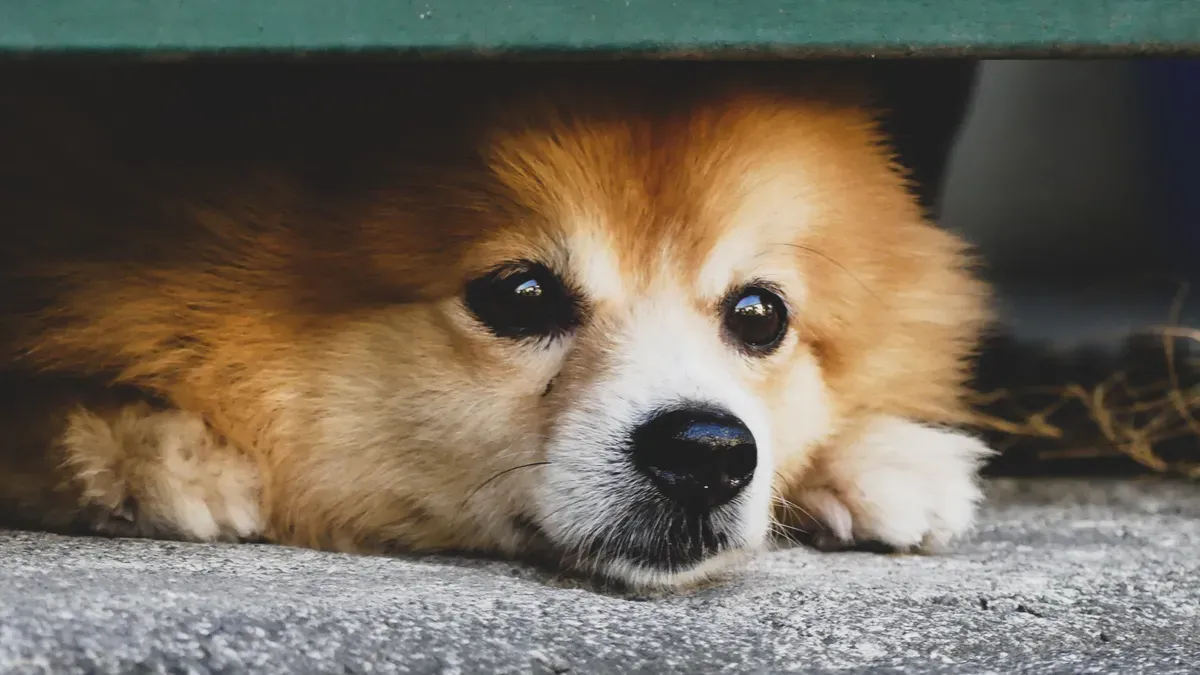
Dogs experience anxiety for many reasons. Genetics play a role, as some breeds like Spanish Water Dogs and Shetland Sheepdogs show higher levels of fear. Mixed breeds also tend to be more sensitive. Early experiences matter. Puppies that miss out on socialization often develop fear of new things later in life. Past trauma, such as shelter stays or frightening events, can leave lasting effects. Changes in the environment, like moving to a new home or having new visitors, unsettle many dogs. Unmet needs, such as lack of exercise or mental stimulation, often lead to anxious behaviors. Medical issues, including pain, arthritis, or cognitive decline in older dogs, can increase anxiety. Many dogs react to loud noises, unfamiliar people, or new places. Older dogs show more fear of specific sounds, such as fireworks or thunder.
Tip: Owners can help by identifying triggers and providing comfort, such as a calming plush dog toy, during stressful times.
Signs of Anxiety
Dogs show anxiety in different ways. Some signs are easy to miss, while others are more obvious. The table below lists common signs at different levels of anxiety:
Level of Anxiety | Signs |
|---|---|
Mild | Licking lips, Yawning, Avoiding eye contact, Turning the head away |
Moderate | Putting ears back, Furrowing brow, Fidgeting, Panting, Refusing treats |
Severe | Tucking tail, Slinking or running away, Widening eyes, Dilating pupils, Trembling, Staring, Showing teeth |
Recognizing these signs helps owners respond quickly and support their dogs before anxiety worsens.
How Calming Plush Dog Toys Work
Comfort and Security
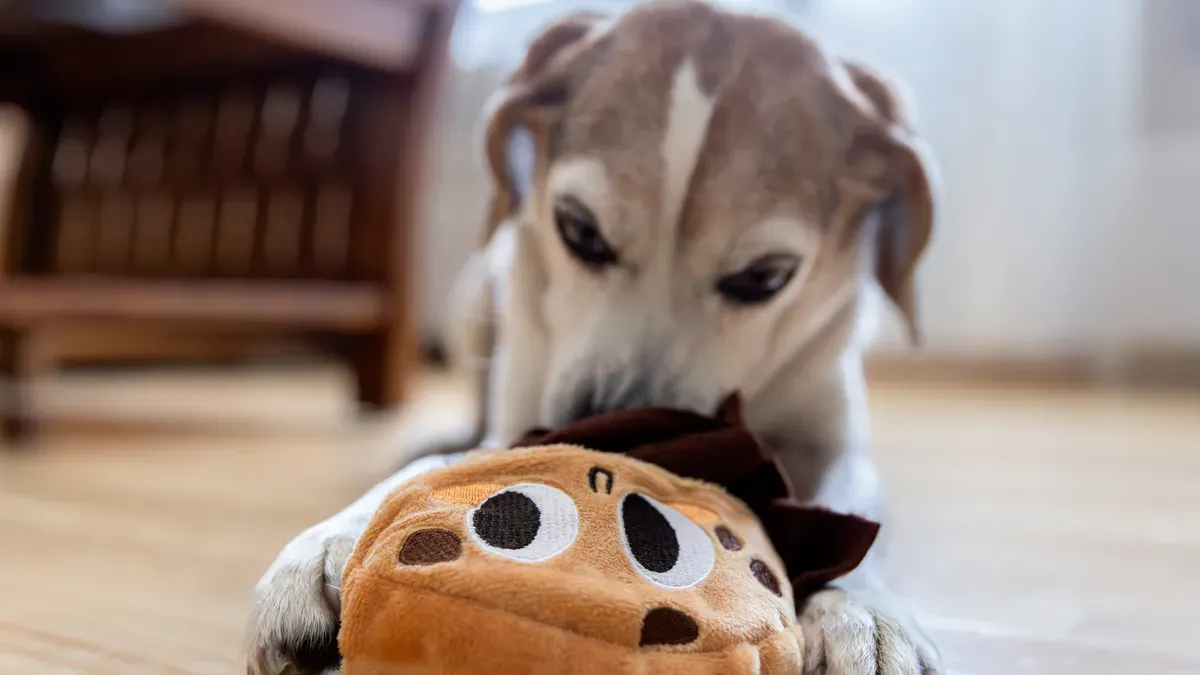
A calming plush dog toy provides more than just a soft surface. Animal behavior experts explain that these toys simulate the presence of another being. This simulation activates social bonding neural pathways in a dog’s brain. When a dog interacts with a plush toy, the body releases oxytocin, a hormone that lowers cortisol levels. Lower cortisol means less stress and anxiety. Dogs often form positive associations with these toys, especially when left alone. The toy helps them feel secure and comfortable during solitary moments.
Many calming plush dog toys use scientific principles to enhance comfort. Some include heartbeat simulators, which mimic the gentle thumping of a companion animal. Others use weighted inserts to create a sense of gentle pressure, similar to a hug. Heatable toys provide warmth, which soothes muscles and calms nerves. Some toys even use familiar scents or soft textures to trigger relaxation. For example, the Snuggle Puppy Heartbeat Stuffed Toy uses a pulsing heartbeat device. Warmies offer heatable inserts for extra comfort. Calmr Dog Toys combine soft fabrics with gentle weight for added security.
The table below compares different types of anxiety-relief toys for dogs:
Type of Toy | Purpose | Effectiveness |
|---|---|---|
Comfort Toys with Gentle Squeakers | Provide emotional security through soft textures and soothing sounds. | Help reduce anxiety during stressful situations by activating bonding pathways. |
Motion-Activated Interactive Toys | Redirect nervous energy into play through engagement. | Effective in breaking fixation on absence and providing distraction. |
Long-Duration Chew Toys | Offer repetitive, calming activity that reduces stress hormones. | Keep dogs occupied, helping them manage anxiety spikes after departure. |
Owners often notice changes in their dogs’ behavior. Many dogs carry their calming plush dog toy to beds or crates. This action shows reduced stress. Some owners report that their dogs settle down faster and sleep more soundly at night when they have access to these toys.
Self-Soothing Features
Dogs use several self-soothing behaviors when anxious. A calming plush dog toy encourages these natural actions in a safe way. Dogs may lick or chew on the toy, which releases endorphins and helps them feel better. Yawning and lip licking often occur as calming signals. Trembling or shaking can happen, especially during stressful events. Some dogs tuck their tails or shrink their posture to feel safer. Pacing or circling helps calm the nervous system. Shredding the toy, while sometimes messy, can also serve as a self-soothing mechanism.
Many calming plush dog toys include features that support these behaviors. Heartbeat simulators and weighted inserts help dogs relax. Soft, chewable fabrics allow for gentle mouthing or licking. Some toys include scent pouches that remind dogs of home or their owners. These elements work together to create a calming effect, making the toy a valuable tool for managing anxiety.
Note: Not every dog responds the same way. Owners should observe their dog’s behavior and adjust the type of toy or features as needed.
Key Features of Calming Plush Dog Toys
Materials and Safety
Dog owners should consider several factors when choosing a calming plush dog toy. Safety and durability matter most. Pet safety standards recommend toys that are soft enough to indent with pressure but strong enough to resist breaking into pieces. Owners should select toys that match the size of their dog to prevent choking. Supervision during playtime with squeaky toys helps avoid accidental ingestion of small parts. Removing non-dog-proof elements, such as ribbons or plastic eyes, reduces risks. Owners should discard toys that show wear or damage. Checking labels for child-safe materials and fillings ensures the toy does not contain harmful substances.
Choose toys that are soft but sturdy.
Pick the right size for the dog’s breed.
Remove loose parts and damaged toys.
Look for labels that confirm safe fillings.
Calming Elements
A calming plush dog toy often includes features that help reduce anxiety and provide emotional reassurance. Many toys use soft, plush materials that soothe dogs through gentle textures. Some toys contain heartbeat simulators, weighted inserts, or heatable packs to mimic the comfort of a companion. Aromatherapy toys use scents like lavender, chamomile, vanilla, or coconut, which studies show can lower stress in dogs. Familiar scents, such as an owner’s unwashed t-shirt, can be even more effective. Foraging or licking elements encourage natural self-soothing behaviors. These features help dogs cope with separation anxiety, relax during stressful events, and feel secure at bedtime.
Selection Criteria | Description |
|---|---|
Soft and Plush Material | Provides a soothing texture that helps dogs relax. |
Durability for Long-Lasting Use | Ensures the toy can withstand chewing and play. |
Appropriate Size | Matches the toy size to the dog’s breed for comfort and safety. |
Designed for Anxiety Relief | Specifically made to help ease nervousness and promote calmness. |
Calming Scents | Infused with lavender, chamomile, or familiar smells to reduce anxiety. |
Weighted or Heatable Inserts | Offer gentle pressure or warmth for extra comfort. |
Note: Owners should monitor their dogs for any changes in behavior, such as drowsiness or digestive upset, when introducing new calming toys.
Introducing Calming Toys to Your Dog
Step-by-Step Tips
Dog owners can help their pets adjust to a calming plush dog toy by following a clear process. First, they should select a toy that matches the dog’s size and remove any small parts. Safety remains important, so owners must check for squeakers and avoid toys not designed for dogs. Regular cleaning and replacement prevent health risks.
A simple introduction process helps most dogs:
Place the toy in the dog’s favorite resting spot.
Allow the dog to sniff and explore the toy without pressure.
Use treats or gentle praise when the dog interacts with the toy.
Supervise initial play sessions to ensure safety.
Repeat these steps daily for consistency.
Owners often notice changes in their dog’s behavior within a few weeks. The table below shows typical timelines for anxiety reduction:
Response Time | Description |
|---|---|
Immediate | Some dogs relax right away after introduction. |
2-4 Weeks | Most dogs show reduced anxiety in this period. |
Several Weeks | A few dogs need more time to form strong bonds. |
Positive Associations
Positive reinforcement shapes a dog’s response to a calming plush dog toy. Owners reward desired behaviors promptly with treats, praise, or playtime. This approach fosters trust and builds confidence. Dogs learn to associate the toy with comfort and safety. Consistent rewards encourage positive emotional connections and help reshape reactions to stressful situations.
Tip: Owners should avoid common mistakes such as choosing the wrong size, ignoring safety, or failing to replace damaged toys. Careful selection and regular maintenance support long-term success.
Maximizing Calming Toy Benefits
Calming Routines
Canine behaviorists recommend daily routines that help dogs manage anxiety. Owners can use a calming plush dog toy as part of these routines. Dogs benefit from interactive toys that provide mental stimulation. These toys keep dogs engaged and help redirect their energy away from anxious thoughts. Many dogs suffering from separation anxiety find comfort in a calming plush dog toy. The toy serves as a distraction and promotes relaxation. Owners can place the toy in the dog’s favorite spot before leaving home. Consistent use of the toy during stressful events, such as thunderstorms or fireworks, helps dogs feel secure.
Interactive toys offer mental stimulation.
Calming plush toys distract dogs with separation anxiety.
Engaging toys redirect energy and promote relaxation.
Observation plays a key role. Owners should watch for changes in behavior and adjust routines as needed. Consistency ensures that dogs form positive associations with their toys.
Other Calming Aids
Many veterinarians suggest combining calming plush dog toys with other aids for greater anxiety relief. Supplements such as L-theanine, L-tryptophan, valerian, magnolia officinalis, phellodendron amurense, alpha-casozepine, and melatonin support relaxation. These supplements work alongside toys to help dogs cope with stressful situations. Owners should consult a veterinarian before introducing new supplements. Monitoring the dog’s response helps determine the most effective combination.
L-theanine
L-tryptophan
Valerian
Magnolia officinalis
Phellodendron amurense
Alpha-casozepine
Melatonin
Tip: Consistent routines and careful observation help maximize the benefits of calming aids and toys.
A calming plush dog toy can help manage anxiety in many dogs. Veterinary professionals highlight several benefits:
These toys provide comfort and security.
They mimic the presence of a mother or littermates.
Features like heat packs and heartbeat simulation enhance soothing.
If a dog does not respond, owners may:
Consider behavior modification therapy.
Explore prescription medication.
Seek a veterinary behaviorist.
Patience and consistency support the best results. Every dog deserves comfort and reassurance.
FAQ
How often should a dog use a calming plush toy?
Dogs can use a calming plush toy daily. Owners should monitor for wear and replace the toy when needed. Supervision ensures safety during play.
Are calming plush toys safe for puppies?
Puppies can safely use calming plush toys. Owners must select age-appropriate toys and remove small parts. Regular checks help prevent choking hazards.
What features help most with separation anxiety?
Heartbeat simulators
Weighted inserts
Familiar scents
These features provide comfort and mimic companionship, helping dogs feel secure when alone.
