
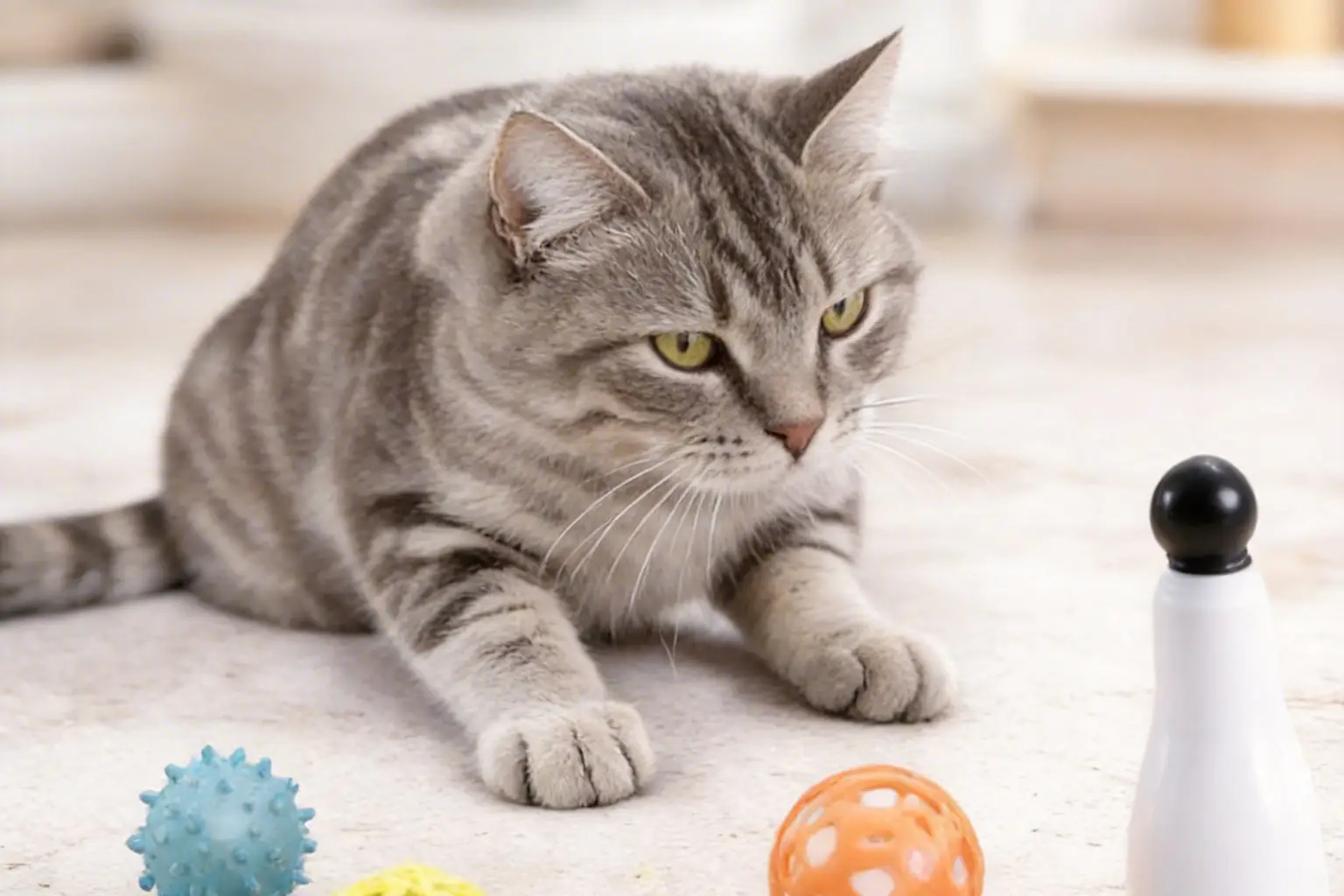


I often worry about safety concerns when I buy toys for my dog. Unsafe toys can put my dog at risk, especially if the toys break easily or contain harmful materials. I trust dog plush toy safety testing to help protect my dog. I always check toys for safety before I let my dog play with them.
Key Takeaways
Always check for safety certifications like ASTM F963 and EN 71 before buying dog toys. These labels ensure toys meet strict safety standards.
Inspect toys regularly for wear and tear. Replace any damaged toys immediately to prevent choking hazards and keep your dog safe.
Choose toys made from non-toxic materials. Look for certifications that confirm the absence of harmful chemicals like phthalates and lead.
Dog plush toy safety testing
U.S. regulations and labeling
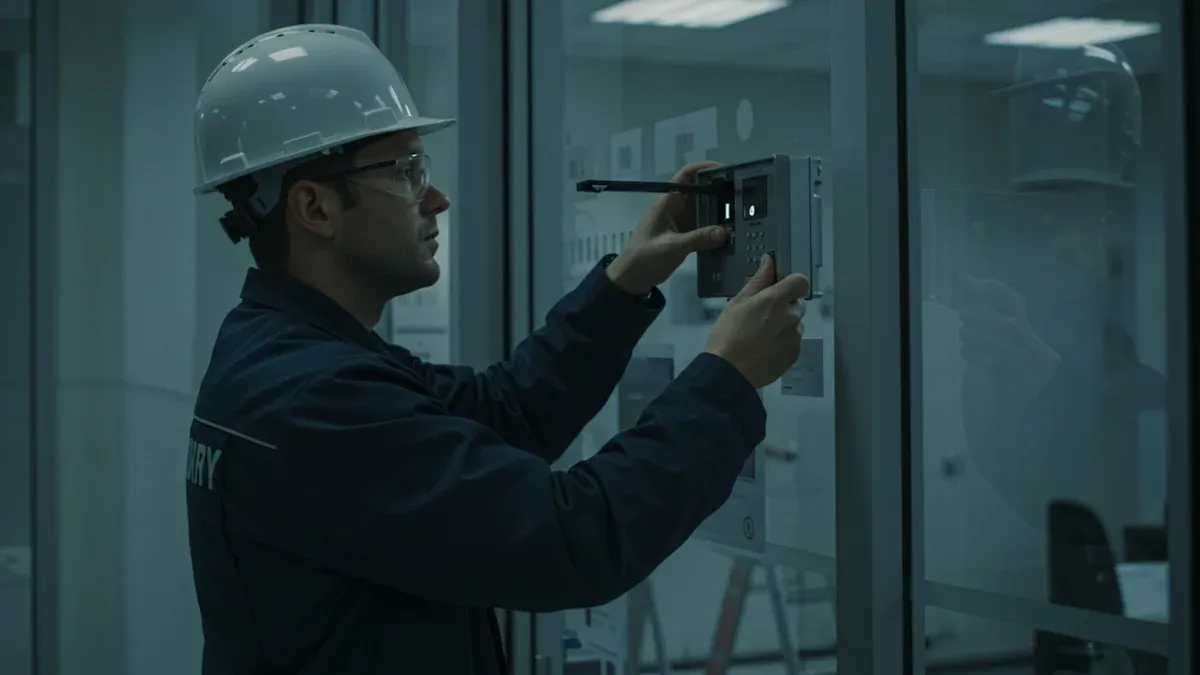
I always check dog plush toy safety testing before buying new toys. In the United States, safety standards and regulations help protect dogs from unsafe toys. I learned that several types of testing are required to meet compliance. These include mechanical, chemical, and flammability testing. Manufacturers must also follow labeling requirements and provide a Children’s Product Certificate to verify compliance.
Regulation Type | Description |
|---|---|
Mechanical Testing | Includes tests for wear and tear, bite tests, drop tests, and small parts testing to prevent choking. |
Chemical Testing | Ensures compliance with limits on heavy metals in toy materials to prevent health risks. |
Flammability Testing | Tests against open flame to ensure toys do not burn too quickly. |
Labeling Requirements | Mandates tracking labels with manufacturer info, production details, and compliance certifications. |
CPC Requirements | Requires a Children’s Product Certificate for compliance verification before retail distribution. |
I always look for tracking labels on plush toys. These labels show the manufacturer’s name, production location, date, batch number, and other details. Some states require registration and pre-approval of toy filler content. Most pet toys are not regulated by federal or state governments, but some regulations for children’s toys may apply. Manufacturers usually indicate the toy’s intended use for pets and provide safety warnings.
Tip: I check for clear labeling and compliance certifications before buying dog toys. This helps me avoid unsafe products and ensures the toys meet safety requirements.
Durability and drop tests
Dog plush toy safety testing includes durability and drop tests. These tests help determine if toys can withstand rough play. I noticed that even tough toys, like the Kong Knots Bear, are not indestructible. They handle being carried, shaken, and washed, but aggressive chewing often leads to failure. Safety standards require toys to pass bite tests and drop tests to prevent choking hazards.
Seam durability plays a big role in safety. Manufacturers use advanced stitching techniques and heavy-duty construction to reinforce toys. Squeakers are sewn into protective pouches to prevent choking if the toy breaks. I always check seams and stuffing retention before giving toys to my dog. If a toy fails a safety test, manufacturers must redesign it or use safer materials.
Feature | Description |
|---|---|
Advanced Stitching Techniques | Toys are reinforced with multiple rows of stitching to enhance durability and prevent failure. |
Secure Inner Pouch for Squeakers | Squeakers are sewn into a protective pouch to prevent choking hazards if the toy is damaged. |
Heavy-Duty Construction | The design helps the toys withstand rough play, reducing the risk of ingestion of small parts. |
Chemical and toxicity checks
Safety testing also includes chemical and toxicity checks. I want to make sure my dog’s toys do not contain harmful substances. Testing covers chemicals like phthalates, BPA, lead, chromium, cadmium, arsenic, and mercury. Compliance with safety standards ensures toys do not pose health risks to dogs.
Veterinarians often advise pet owners about safe materials. They recommend avoiding toys with toxic chemicals and choosing products that meet safety regulations. I always look for toys made from certified, non-toxic materials. If a toy fails chemical testing, manufacturers must replace the fabric with safer alternatives.
Phthalates
BPA
Lead
Chromium
Cadmium
Arsenic
Mercury
Failure Cause | Recommended Action |
|---|---|
Small parts failure | Use larger, more securely attached eyes/noses or replace with embroidery. |
Chemical failure | Replace fabric with OEKO-TEX certified alternative. |
Flammability failure | Replace filling material or fabric with certified flame-retardant alternatives. |
Sharp points failure | Redesign attachment method. |
Choking and stuffing hazards
Dog plush toy safety testing always checks for choking and stuffing hazards. Stuffing materials can pose a risk if the toy ruptures. Even tough toys can break, leading to potential ingestion of stuffing. I prefer stuffing-free toys to eliminate this risk. The integrity of the toy is crucial to prevent choking hazards.
Stuffing materials in dog plush toys can pose a choking hazard if the toy ruptures.
Alternatives like stuffing-free toys eliminate the risk of choking from loose materials.
Even tough plush toys can rupture, leading to potential stuffing ingestion.
The integrity of the toy is crucial to prevent choking hazards.
I always inspect toys for secure seams and strong construction. If I notice any damage, I remove the toy immediately. Safety standards require manufacturers to address these hazards during testing. Compliance with regulations helps keep dogs safe during play.
Consequence | Description |
|---|---|
Non-compliance can lead to the recall of unsafe products from the market, impacting sales. | |
Legal Liabilities | Manufacturers may face lawsuits or penalties due to failure to meet safety regulations. |
Brand Reputation Damage | Failing to comply can harm a brand’s reputation, leading to loss of consumer trust and loyalty. |
Dog plush toy safety testing protects dogs from unsafe toys. I trust safety testing and compliance with safety standards to keep my dog safe. Regulations and testing help ensure toys meet safety requirements and prevent hazards. I always check for compliance before buying new toys.
Choosing the safest dog toys
Understanding safety certifications
I always check for safety certifications when I buy dog toys. These certifications show that toys meet strict safety standards. I look for labels like ASTM F963 in the United States and EN 71 in Europe. I also check for FDA-approved materials. These labels help me trust that the toys are safe for my dog. Here is a table of common certifications I see:
Certification | Description |
|---|---|
ASTM F963 | U.S. standard for mechanical hazards, flammability, and chemical safety. |
EN 71 | European standard for toy safety, including heavy metal limits and flammability. |
FDA-Approved Materials | Materials meet U.S. FDA regulations for pet chew toys. |
REACH Compliance | EU regulation restricting hazardous substances in toys. |
I notice that other countries use different standards, such as SOR/2011-17 in Canada and KC Certification in South Korea. I always read the label to make sure the toy meets the right safety requirements.
Safety testing for handmade toys
I pay close attention to safety testing for handmade toys. Handmade dog toys must pass mechanical and physical testing. I check for strong seams and reinforced joints. I also look for chemical content testing to make sure fabrics and stuffing are safe. Flammability testing is important. I ask sellers about their internal quality protocols and if they use accredited labs for testing. I prefer toys that meet EN71 or ASTM F963 standards.
Tips for selecting and maintaining safe toys
I choose toys based on my dog’s size, age, and energy level. I pick toys that fit my dog’s mouth to prevent choking. For older dogs, I select soft toys. I inspect toys often for wear and tear. If I see damage, I replace the toy. I wash toys in a mesh bag on a gentle cycle and air dry them. I avoid bleach and fabric softeners. I use vinegar and water to disinfect toys. Regular cleaning and inspection keep toys safe for my dog.
I always follow a checklist before buying dog plush toys. I check for tears, secure stitching, and safe materials. Regular testing and proper maintenance keep toys safe. Safe toys help my dog feel calm, reduce stress, and support healthy play. I trust safety testing to protect my dog every day.
FAQ
How often should I check my dog’s plush toys for safety?
I check my dog’s toys every week. Frequent inspection helps me spot damage early. Regular testing keeps my dog safe during play.
What should I do if my dog destroys a plush toy?
I remove the toy right away. I do not let my dog eat any stuffing. I look for new toys that pass safety testing.
Can I trust homemade dog toys without official testing?
I ask sellers about their testing process. I prefer toys with clear safety information. I want my dog to play with toys that pass proper testing.
