


Which is better for your dog: squeaky or non-squeaky toys? The answer depends on your dog’s personality and your family’s preferences. Both types offer unique benefits.
Chewing toys prevent boredom and calm dogs.
Squeaky toys excite dogs and engage instincts.
Non-squeaky toys serve as chew toys and reduce unwanted chewing.
New options like silent squeakers and removable squeakers exist. Consider your dog’s play style, safety, and noise tolerance when deciding. Every dog is different, so the squeaky vs non squeaky dog toy debate has no single solution.
Key Takeaways
Squeaky toys excite dogs and engage their natural instincts, making playtime more stimulating.
Non-squeaky toys provide a quieter play experience, ideal for noise-sensitive households and heavy chewers.
Choosing the right toy depends on your dog’s personality, chewing habits, and your family’s noise preferences.
Squeaky Dog Toys
What Are Squeaky Toys?
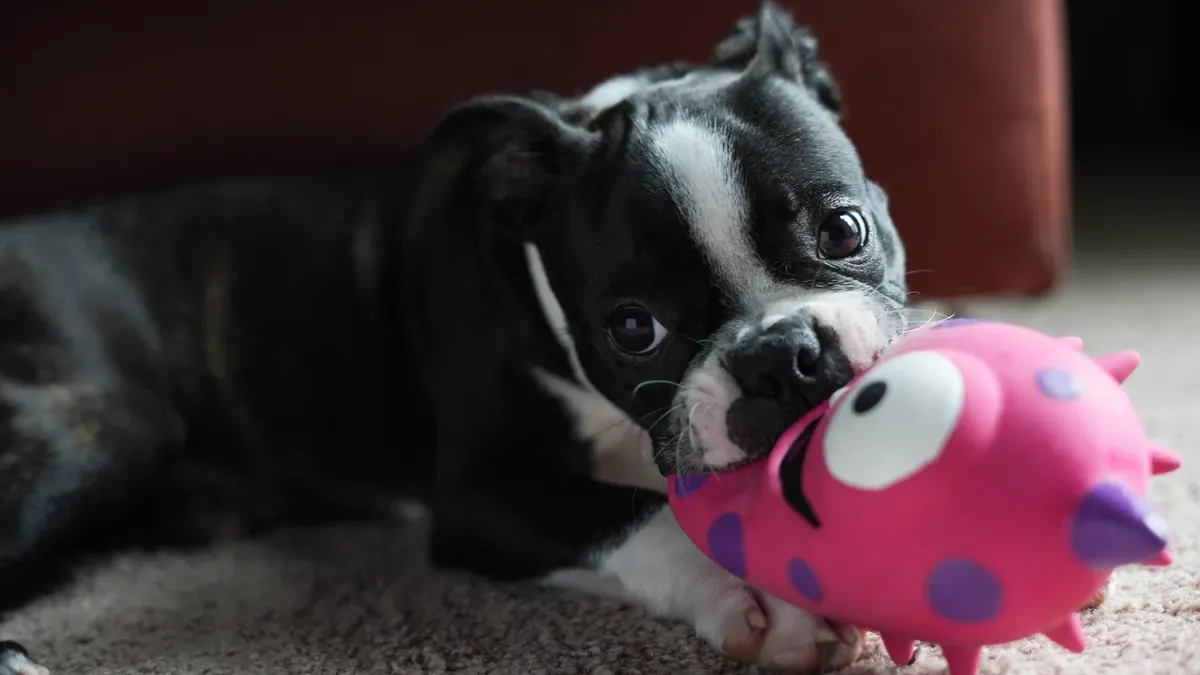
Squeaky toys are designed to make a noise when squeezed or bitten. Most use a built-in squeaker that emits a high-pitched sound. Manufacturers often use durable materials to protect the squeaker from damage. The table below shows common materials and features:
Material | Features |
|---|---|
Built-in squeaker, floats on water, chew-resistant, durable | |
Internal squeaker design | Protected from aggressive chewing, enclosed within rubber to reduce choking hazards |
GNAWSOME Squeaker Bone Dog Toy: Spiky rubber bone with a satisfying squeak.
FuzzWoof FluffBunny Squeaky Plush Dog Toy: Stuffing-free, tear-resistant plush.
Hartz Dura Play Ball Squeaky Latex Dog Toy: Bacon-scented latex ball for fetch.
Frisco Monkey Plush Rope Squeaky Dog Toy: Combines rope and squeaker for tugging.
Ethical Pet Fun Sloth Squeaky Plush Dog Toy: Plush toy for dogs who like carrying and squeaking.
Why Dogs Love Squeaky Toys
Dogs are drawn to squeaky toys for several reasons:
The high-pitched squeak mimics the cries of small animals, triggering predatory instincts.
Squeaky sounds activate neural pathways used in hunting, making play exciting.
Biting into a squeaky toy simulates catching prey, which fulfills natural behaviors.
The squeak provides auditory feedback, releasing dopamine and creating pleasure.
Squeaky toys help relieve stress and strengthen the bond between dogs and owners.
Squeaky toys offer mental stimulation and mimic the thrill of the hunt, even for domesticated dogs.
Silent and Removable Squeakers
Some toys now feature silent squeakers. These produce ultrasonic sounds only dogs can hear, reducing noise for humans. Removable squeakers allow owners to customize playtime. You can remove the squeaker for quiet play or insert it for excitement. This flexibility helps match the toy to your dog’s mood and your household needs.
Non-Squeaky Dog Toys
What Are Non-Squeaky Toys?
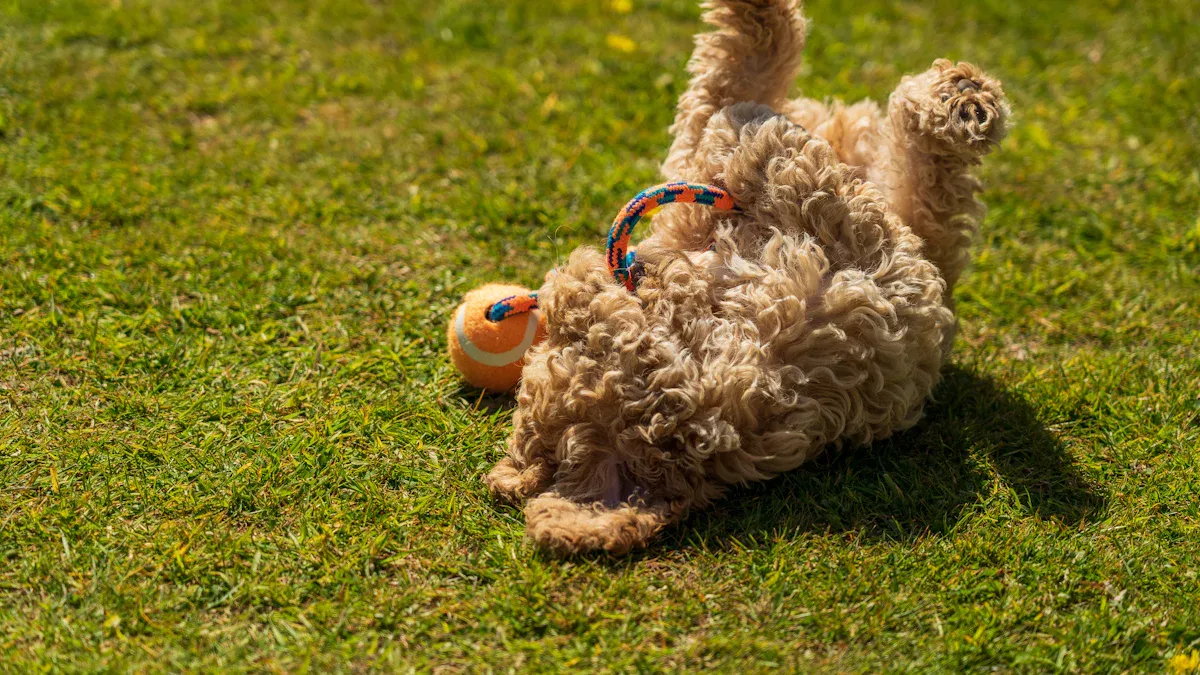
Non-squeaky dog toys do not produce any sound during play. These toys focus on physical activity, chewing, and mental engagement. Manufacturers often use tough materials such as rope, firehose fabric, or dense rubber. Dogs can chew, tug, or fetch these toys without creating noise. Owners who prefer a quiet home often select non-squeaky options.
Types of Non-Squeaky Toys
Many types of non-squeaky toys exist. Each type serves a different purpose and suits various play styles.
Rope Toys: Great for tug-of-war and chewing. They help clean teeth and strengthen jaws.
Firehose Toys: Made from durable firehose material. These toys withstand rough play and heavy chewing.
Plush Toys: Soft and comforting. Dogs often carry them around or snuggle with them.
Dog Treat Toys: These toys combine play and snacking. Openings for kibble or treats provide mental stimulation and keep dogs engaged.
Dog Puzzle Toys: These toys enhance problem-solving skills. Hidden treat compartments and interactive features help stave off boredom.
Why Choose Non-Squeaky?
Non-squeaky toys offer several advantages. Quiet play benefits households sensitive to noise. Dogs who dislike loud sounds feel more comfortable with silent toys. Many non-squeaky toys use tougher materials, making them ideal for heavy chewers. These toys withstand vigorous play and last longer.
Toy Type | Durability | Suitability for Heavy Chewers |
|---|---|---|
Non-Squeaky | Made from tougher materials, designed for aggressive chewers | Ideal for heavy chewers, withstands vigorous play |
Squeaky | Can be motivating but may not be suitable for all dogs | Not always suitable for heavy chewers, can overstimulate dogs |
Tip: If your dog chews aggressively or you want a quieter home, non-squeaky toys may be the best choice.
Squeaky vs Non Squeaky Dog Toy: Pros & Cons
When choosing between a squeaky vs non squeaky dog toy, it helps to weigh the benefits and drawbacks of each type. Both options can enrich your dog’s life, but they suit different needs and preferences. The following sections break down the main pros and cons to help you make an informed decision.
Squeaky Toy Benefits & Drawbacks
Squeaky toys offer unique advantages for many dogs. The sound mimics prey, which satisfies natural hunting instincts and keeps dogs mentally engaged. Many owners use squeaky toys as training tools or for interactive play. These toys can strengthen the bond between you and your dog.
However, squeaky toys also come with some challenges. Some dogs may become overstimulated or possessive. Aggressive chewers can destroy squeaky toys, which may lead to safety risks if small parts or squeakers become loose. Supervision is important, especially for dogs who like to chew hard.
Here is a table summarizing the main pros and cons:
Pros | Cons |
|---|---|
Mimics prey sounds, satisfying hunting instincts | Can lead to overstimulation or possessiveness |
Effective training tool for commands | Potential for destructive behavior if chewed too hard |
Enhances bonding through interactive play | Some dogs may be frightened by the sound |
Provides mental stimulation and enrichment | Requires supervision to ensure safety |
Tip: Choose durable squeaky toys made of reinforced materials. Always supervise your dog during playtime and replace damaged toys to prevent accidents.
Other important points to consider:
Some squeaky toys may break if chewed too hard.
Small pieces can pose a choking hazard.
Select sturdy squeaky toys designed for strong chewers and ensure the toy is the right size for your dog.
Supervision is crucial for heavy chewers, as they may pose a choking risk once the squeaker is damaged.
Non-Squeaky Toy Benefits & Drawbacks
Non-squeaky toys provide a quieter play experience. These toys are ideal for households sensitive to noise or for dogs who dislike loud sounds. Many non-squeaky toys use tough materials, making them suitable for heavy chewers. They often last longer and reduce the risk of choking on small parts.
Non-squeaky toys can also offer comfort. Soft toys are great for gentle play, especially for smaller breeds or older dogs. Rope and firehose toys help clean teeth and withstand rough play. Treat-dispensing and puzzle toys keep dogs engaged without the need for sound.
However, some dogs may find non-squeaky toys less stimulating. Dogs who crave auditory feedback might lose interest more quickly. Owners may need to rotate toys or add treats to maintain excitement.
Here are some key points about non-squeaky toys:
Provide a calmer, more comforting interaction for dogs.
Suitable for quiet households and noise-sensitive pets.
Durable options are available for strong chewers.
May not stimulate curiosity as much as squeaky toys.
Soft toys are best for gentle play and comfort.
Note: Non-squeaky toys are a good choice for dogs who prefer calm play or for owners who want a peaceful home environment.
Comparing Squeaky vs Non Squeaky Dog Toy
The squeaky vs non squeaky dog toy debate centers on your dog’s personality and your household needs. Squeaky toys deliver mental stimulation and excitement, but they require supervision and may not suit every dog. Non-squeaky toys offer durability and quiet play, making them ideal for heavy chewers and sensitive environments. Try both types to see which your dog prefers, and always prioritize safety and engagement.
Choosing the Right Toy
Dog Personality & Play Style
Every dog has a unique personality and play style. Some dogs love chasing and pouncing, while others prefer gentle chewing or snuggling. Owners should observe how their dog interacts with toys. Power chewers need tough, durable toys. Less aggressive chewers may enjoy softer options. Matching the toy to your dog’s energy level and chewing habits helps keep playtime safe and fun.
Factor | Description |
|---|---|
Dog’s Size | Choose a toy that fits your dog’s mouth to prevent choking. |
Chewing Habits | Select toys based on how aggressively your dog chews. |
Energy Levels | Active dogs may benefit from stimulating toys like squeaky options. |
Potential for Destructive Behavior | Monitor play to prevent destructive habits, especially with squeaky toys. |
Safety Precautions | Pick non-toxic materials and avoid toys with small parts. |
Safety & Durability
Safety should always come first. Look for toys made from non-toxic materials. Durable construction is important for aggressive chewers. Regularly inspect toys for signs of wear. Remove any toy that shows damage to avoid choking risks.
Safety Consideration | Details |
|---|---|
Non-toxic materials | Free from harmful substances like BPA and phthalates. |
Robust construction | Withstands strong chewing without breaking. |
Size appropriateness | Prevents choking by matching toy size to your dog. |
Regular inspection | Helps catch wear and tear early. |
Avoid small parts | Reduces risk of swallowing or choking. |
Noise in the Home
Noise from toys can affect everyone in the house, including other pets. Loud squeaky toys may cause stress or anxiety in sensitive animals. For a quieter environment, choose non-squeaky toys or silent squeakers. Puzzle toys and soft furnishings can help reduce noise. Playing calming music may also mask toy sounds.
Tip: Try both toy types and observe your dog’s reaction. Adjust based on your dog’s comfort and your household’s needs.
Age & Chewing Strength
A dog’s age and chewing strength influence toy choice. Puppies and seniors need softer toys that are gentle on teeth and gums. Heavy chewers require super-durable rubber or nylon toys. Avoid squeakers for strong chewers, as they may remove and swallow the squeaker. Always supervise play with squeaky toys.
Age Group | Toy Recommendations |
|---|---|
Puppies | Chilled or frozen toys for teething; introduce new toys slowly. |
Senior Dogs | Soft plush or rubber toys; interactive toys for gentle mental stimulation. |
The squeaky vs non squeaky dog toy decision depends on your dog’s needs, safety, and your home environment.
Toys support mental and physical development in dogs.
Owners should observe reactions to both types and try silent or removable squeakers.
Safety and happiness matter most.
The squeaky vs non squeaky dog toy decision depends on your dog’s needs and your home environment.
Rotate and clean toys often. Choose dog-specific, durable options for safety.
FAQ
Are squeaky toys safe for all dogs?
Squeaky toys are safe for most dogs with supervision. Remove damaged toys quickly. Avoid squeaky toys for aggressive chewers to prevent choking hazards.
How often should I replace my dog’s toys?
Inspect toys weekly. Replace any toy that shows wear, broken parts, or missing pieces. Clean toys regularly to keep them safe and hygienic.
Can non-squeaky toys help with dental health?
Yes! Rope toys and rubber chew toys can help clean teeth and massage gums. These toys support dental health during play.
