



Choosing the right shipping method can impact both cost and delivery time. Key factors include shipment size, cost structure, and speed. The table below shows how container vs LCL shipping compares in these areas, helping businesses match their needs to the best option.
Factor | LCL (Less-than-Container Load) | FCL (Full-Container Load) |
|---|---|---|
Container usage | Shared with multiple shippers | Exclusive to one shipper |
Cost model | Pay by volume cubic metres (CBM) | Fixed rate per container |
Speed or transit time | Slower, involves consolidation | Faster, direct routing |
Security and handling | More handling, higher risk exposure | Lower risk, sealed from origin |
Flexibility | High, good for multi-location delivery | Limited, one container, one destination |
Cost considerations | Lower upfront cost, scales with cargo | Economical for big shipments |
Ideal for | Small to mid-sized shipments | Large, high-volume shipments |
Key Takeaways
Choose FCL for large shipments over 15 cubic meters to save on costs and ensure faster delivery.
Select LCL for smaller shipments under 15 cubic meters to pay only for the space you use, making it cost-effective.
Consider urgency when shipping; FCL is faster due to direct routing, while LCL may add extra days for consolidation.
Container vs LCL Shipping: Which Is Right for You?
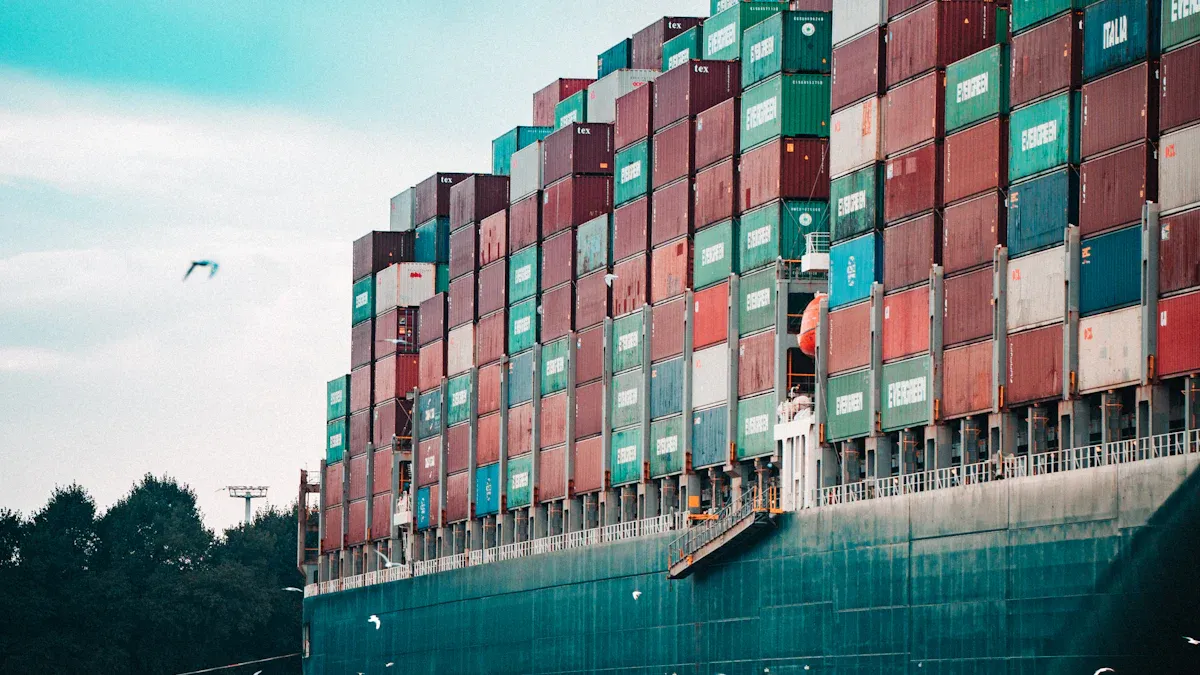
Choosing between container vs LCL shipping requires a clear understanding of shipment size, cost, and speed. Each method serves different business needs. Companies must evaluate their priorities before making a decision.
FCL, or Full Container Load, works best for large shipments. Businesses that ship more than 13–15 cubic meters often find FCL more cost-effective. The cost per unit drops as the shipment volume increases. Recent logistics studies show that FCL may seem more expensive at first because the shipper pays for the entire container. However, as the volume grows, the cost per cubic meter decreases. This makes FCL the preferred choice for high-volume shipments.
LCL, or Less-than-Container Load, suits smaller or less frequent shipments. Shippers only pay for the space they use. This flexibility helps businesses that do not have enough goods to fill a whole container. The average cost per cubic meter for LCL ranges from $30 to $180, depending on the route and volume. LCL shipping usually costs more per unit for small shipments, but it avoids the high upfront cost of booking an entire container.
Speed also plays a major role in the container vs LCL shipping decision. FCL shipments reach their destination faster. They avoid the extra steps of cargo consolidation and deconsolidation. For example, FCL shipments from China to the U.S. West Coast often arrive in less time than LCL shipments. LCL can add two to five days due to these extra processes. When urgency matters, FCL stands out as the better option.
Tip: If a shipment is urgent, FCL is usually the best choice. LCL works well for less urgent deliveries where cost savings matter more than speed.
Risk and handling also differ between the two methods. FCL shipments face less handling, which lowers the risk of damage or loss. LCL shipments involve more touchpoints as goods are loaded and unloaded with other cargo. This increases the chance of delays or mishandling.
FCL Shipping Explained
Full Container Load (FCL) shipping means one shipper uses an entire container for a single consignment. This method gives the shipper exclusive use of the container, which moves directly from the origin to the destination. The table below summarizes how international shipping standards define FCL:
Source Link | |
|---|---|
One shipper dedicates an entire container to a single consignment in Full Container Load (FCL) shipping. | |
FCL shipping involves one shipper or consignee paying a flat fee for a container to move cargo from one country to another. | |
FCL shipping refers to sea freight where one shipper books and pays for the entire container. | |
FCL (Full Container Load) refers to a shipping method where an entire shipping container is used exclusively for one customer’s goods. |
The FCL shipping process follows several key steps:
Choose a reputable shipping company.
Determine the cargo volume and any special needs.
Prepare cargo with proper packaging and labeling.
Book the shipment and confirm details.
Load the container, securing goods and distributing weight evenly.
Complete customs clearance and submit documentation.
Track the shipment during transit.
Receive and inspect the cargo at the destination.
Most freight forwarders recommend FCL for shipments near or above 15 cubic meters (CBM). This threshold marks the point where FCL becomes more economical than LCL. Businesses moving high volumes often benefit from lower per-unit costs because the flat rate for the container stays the same, even as more goods fill the space. As a result, the cost per unit drops as the container fills up.
FCL offers a fixed price, no matter how full the container is, creating a break-even point where the cost of LCL equals or exceeds the flat rate of FCL. LCL includes consolidation fees, handling charges, and documentation expenses, while FCL has fewer extra charges.
FCL also reduces handling risk. The container remains sealed from origin to destination, which limits the chance of damage or loss. For companies comparing container vs LCL shipping, FCL stands out for large, urgent, or high-value shipments that need speed, control, and cost efficiency.
LCL Shipping Overview
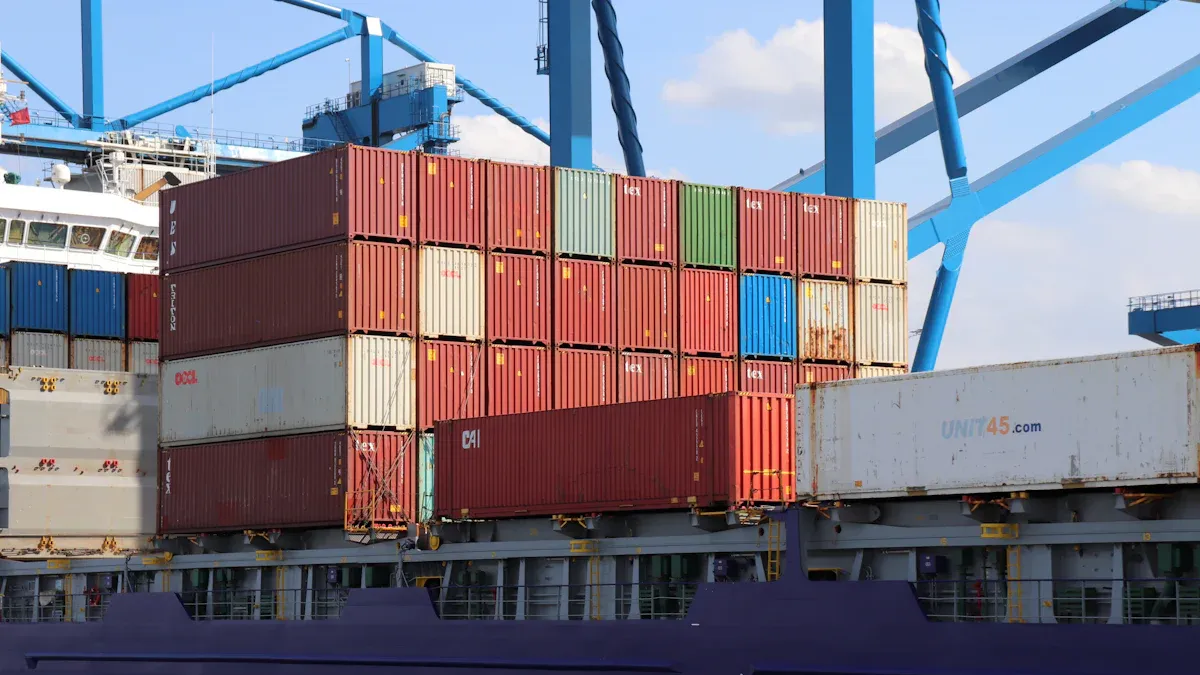
Less-Than Container Load (LCL) shipping allows businesses to send smaller shipments without booking an entire container. In this method, logistics providers combine goods from different shippers into one container. Each business pays only for the space its cargo occupies. This approach makes international shipping accessible and cost-effective for companies that do not have enough goods to fill a full container.
LCL shipping works best for shipments under 15 cubic meters (CBM). Many small and medium-sized businesses choose LCL for frequent deliveries or when their cargo volume does not justify the cost of a full container. This flexibility helps companies manage inventory and cash flow more efficiently.
The LCL process involves several steps. First, logistics providers consolidate shipments at a Container Freight Station (CFS). After consolidation, the container travels to its destination. At the arrival port, workers deconsolidate the cargo, separating each shipment for final delivery. These extra steps add complexity and can increase transit time compared to FCL shipping.
LCL shipping comes with some risks. Increased handling during consolidation and deconsolidation raises the chance of damage or loss. Shared containers can also lead to delays if one shipment faces customs issues. Too many handlers may cause theft or misplacement of goods. Proper packaging and clear labeling help reduce these risks.
Despite these challenges, LCL shipping offers advantages. Businesses gain access to global markets without committing to large volumes. The method supports flexible shipping schedules and lowers upfront costs. When comparing container vs LCL shipping, companies should consider shipment size, risk tolerance, and delivery needs.
Comparing FCL and LCL: Cost, Speed, and Risk
Cost remains a primary factor when choosing between container vs LCL shipping. Larger shipments, typically over 13–15 CBM, favor FCL because it offers better cost efficiency. For example, on major trade routes like China to the US West Coast, the average cost per CBM for FCL ranges from $80 to $160, making it more economical as volume increases. Smaller shipments, under 15 CBM, often benefit from LCL, where shippers pay only for the space they use. Although LCL may have higher handling fees, it avoids the large upfront cost of booking an entire container.
Speed also influences the decision. FCL shipments usually arrive faster because they travel directly without needing consolidation or deconsolidation. Recent data shows FCL transit times from China to the US West Coast average 20–30 days, while LCL shipments take about 24–34 days. The extra handling involved in LCL, such as at Container Freight Stations, causes delays. For urgent deliveries, FCL provides a clear advantage.
Risk and security are critical considerations. FCL offers more control since the container remains sealed from origin to destination, reducing damage and theft risks. Conversely, LCL involves multiple handling cycles, increasing the chance of cargo damage or loss. Handling risks include cross-contamination, temperature issues, and documentation challenges, which can complicate insurance claims.
Decision Checklist for Your Shipping Needs
Selecting the right shipping method requires careful evaluation of several factors. This checklist helps businesses make informed decisions:
Assess Shipment Volume and Size
Measure package dimensions accurately. Length, width, and height determine space requirements and prevent extra charges.
Check weight limits. For example, UPS allows packages up to 150 lbs and a maximum length of 108 inches.
Calculate dimensional weight. This figure shows how much space the shipment occupies and affects shipping costs.
Consider Budget and Cost Sensitivity
FCL suits large volumes and offers economies of scale. LCL works well for smaller, frequent shipments.
FCL provides faster transit times. LCL may involve longer transit due to consolidation.
High-value or sensitive goods benefit from FCL’s exclusivity and reduced risk.
LCL offers flexibility for fluctuating volumes or frequent small shipments.
Determine Urgency and Delivery Timeline
FCL delivers shipments faster. LCL may add days due to consolidation and deconsolidation.
Businesses with urgent delivery needs often choose FCL.
Evaluate Cargo Type and Risk Tolerance
FCL protects fragile or high-value goods with less handling and lower damage risk.
LCL involves more handling, which increases risk for sensitive items.
Risk tolerance influences the choice. LCL saves costs but may increase risk of delays and damage.
Decide if Flexibility or Frequent Small Shipments Are Priorities
Shipping Method | Flexibility | Cost Savings | Ideal For |
|---|---|---|---|
LCL | High | Yes | Small, frequent shipments; fluctuating demand |
FCL | Limited | Yes (large volume) | Large, consistent shipments |
Businesses that value flexibility and frequent small shipments often select LCL. This method allows adjustments based on demand and supports seasonal products.
When to Use Container vs LCL Shipping
Choosing between container and LCL shipping depends on business size, shipment volume, urgency, and cargo type. Small businesses that ship frequently in small quantities often benefit from LCL. This method allows them to pay only for the space they use, making it cost-effective for shipments under 15 cubic meters. The following table highlights best practices for small businesses using LCL:
Aspect | Details |
|---|---|
Consolidation/Deconsolidation | Adds 5-7 days to shipping time |
Packaging | Poor packaging causes 65% of cargo damage |
Shipping Frequency | Align LCL with business model and inventory needs |
Insurance | Ocean carriers limit liability; comprehensive insurance recommended |
Cost-Effectiveness | LCL can be up to 50% cheaper than FCL for small shipments |
Small businesses should invest in sturdy packaging, use strong boxes, fill empty spaces with cushioning, and seal packages securely. Clear, waterproof labels help prevent loss. Understanding Incoterms and customs regulations supports smooth shipping. Building a buffer into lead times and using tracking tools can reduce delays.
For large, cost-sensitive shipments, FCL provides better value. Companies shipping high volumes often choose FCL to lower per-unit costs. FCL also suits urgent deliveries. These shipments travel directly from origin to destination, remain sealed, and clear customs faster because only one shipper is involved.
High-value or fragile cargo requires extra control. FCL offers better protection by reducing handling and risk of damage or theft.
Businesses with seasonal or irregular shipments often select LCL for flexibility. LCL supports frequent, smaller shipments, lowers inventory pressure, and reduces warehousing costs. Companies can adapt quickly to changing demand and participate in global trade without needing a full container. LCL also helps reduce carbon emissions by consolidating shipments.
When comparing container vs LCL shipping, companies should match their shipping method to their business needs, shipment size, and delivery priorities.
Choosing between FCL and LCL depends on shipment size, budget, and urgency. The table below highlights key differences:
Criteria | LCL Shipping | FCL Shipping |
|---|---|---|
Shipment Size | Less than 15 CBM | 15 CBM or more |
Budget | Pay for space used | Cost-effective for bulk shipments |
Urgency | Suits less urgent deliveries | Faster for time-sensitive shipments |
Shippers should review their cargo volume, delivery timeline, and cost priorities to select the best method.
FAQ
What is the main difference between FCL and LCL shipping?
FCL involves booking an entire container for one shipment, offering speed and security. LCL shares space among multiple shippers, reducing costs for small loads.
Which shipping method is better for urgent deliveries?
FCL generally provides faster transit because it avoids consolidation delays. It is ideal for time-sensitive shipments needing quick delivery.
Is LCL riskier than FCL?
Yes, LCL involves more handling, increasing the chance of damage or loss. Proper packaging and insurance can help mitigate these risks.
